
Partner at AKD Lawyers
Practice Areas: Personal Injury
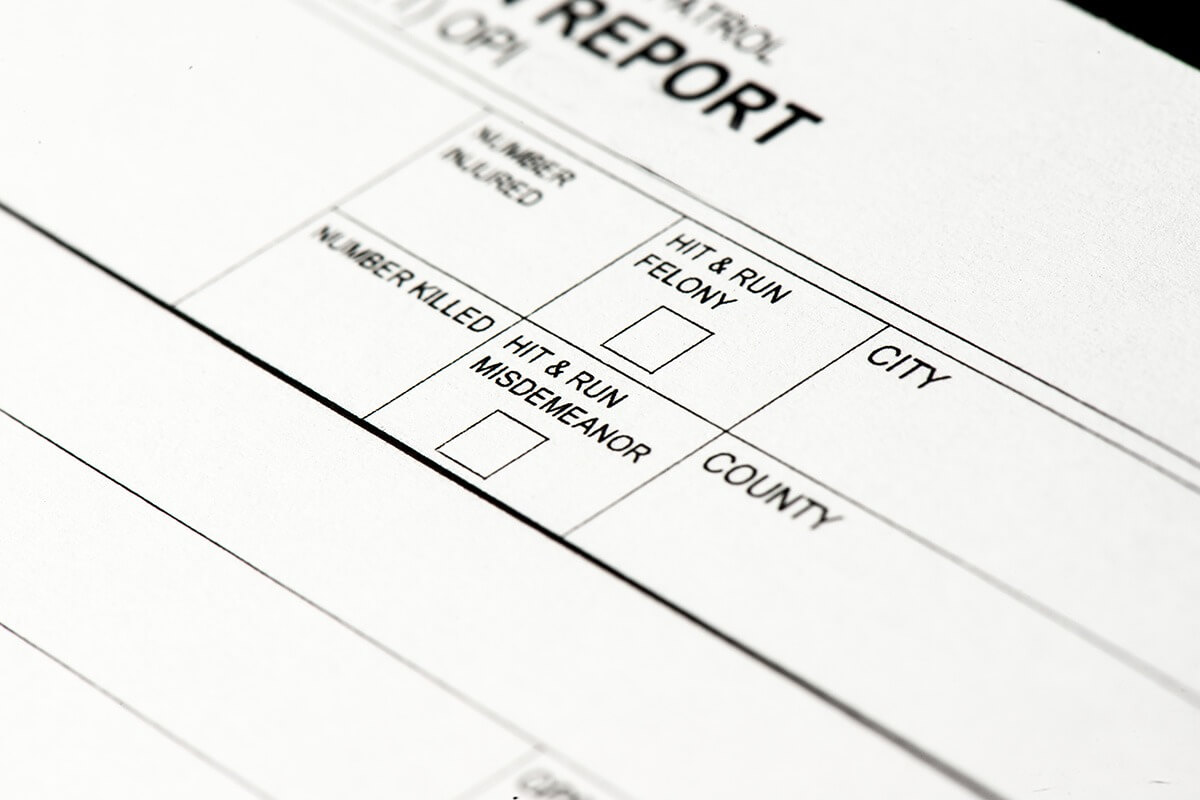
After a car accident, the police report can become an important part of the claim. It may contain information about the drivers, vehicles, witnesses, road conditions, damage, and what the officer observed at the scene.
Insurance companies commonly review these reports when deciding how to handle a claim. A lawyer may also use the report when looking into fault or comparing the officer’s account with other evidence.
The report is worth reviewing yourself. If something is missing or incorrect, you may be able to challenge the information rather than letting an error follow your claim.
If you were involved in a crash in New Orleans, a car collision attorney in New Orleans can review the report and the other evidence available in your case.
Why the Report Matters
A police report can give you a useful starting point for understanding how the crash was documented.
It may show:
- When and where the accident happened
- Who was involved and who witnessed it
- Road, traffic, and weather conditions
- Damage observed at the scene
- What the officer recorded about the collision
Still, an officer may not have seen the crash happen. They may have arrived after the vehicles were moved or relied on statements from the people involved.
That is why the report is only one part of the evidence. Photos, video, witness testimony, vehicle damage, and other records may tell a different story.
What Louisiana Law Requires
Under La. R.S. 32:398, crashes involving an injury, death, or more than $500 in property damage must be reported. The investigating agency prepares a crash report with information about the people, vehicles, and circumstances involved.
The report may include driver and vehicle details, witness information, road conditions, and the officer’s account of the crash. You can request a copy from the agency that investigated the accident.
Common Errors and Omissions
A report can contain mistakes. Names may be entered incorrectly, a witness statement may be incomplete, or the diagram may not accurately show where the vehicles were positioned.
Look for issues such as:
- Incorrect vehicle or driver information
- Missing witness details
- Wrong lane or direction of travel
- Incomplete damage descriptions
Being listed first in the report does not automatically make you responsible for the accident. If you find an error, gather the evidence that shows what actually happened and ask the appropriate law enforcement agency about correcting the record.
Get Your Free Consultation
How Fault Works With the Report
A police report can affect an insurance claim, but it does not decide who is legally at fault. Louisiana uses modified comparative fault. For crashes on or after January 1, 2026, La. Civ. Code art. 2323 generally reduces a person’s recovery based on their percentage of fault. A person who is more than 50% at fault generally cannot recover damages.
What the officer wrote is only one part of the picture. A report might say that a driver failed to yield, for example, while a dashcam recording or witness account shows something the officer did not see.
Check the report against other evidence before assigning fault.
How to Address an Error in Your Report
Start by getting a copy and going through it carefully. Compare the information with your photographs, video, medical records, and anything else you collected after the crash.
If you find a factual mistake, contact the department that prepared the report and ask about its correction process. Supporting the request with documents or other evidence can help.
A factual error is different from an officer’s conclusion about what caused the crash. An agency may be willing to correct incorrect names or vehicle information without changing the officer’s assessment of fault.

What Other Evidence Can Help?
The police report is often only the beginning of the investigation. Depending on the accident, useful evidence may include:
- Dashcam or traffic-camera footage
- Surveillance video from nearby businesses
- Witness testimony
- Vehicle damage
- Medical records
- Accident reconstruction
- Photographs from the scene
This evidence can become particularly important when the people involved give different accounts of the collision.
Frequently Asked Questions
What does a Louisiana police accident report include?
It can include information about the crash location and time, drivers and vehicles, witnesses, road conditions, vehicle positions, citations, and the officer’s observations.
How can I get a copy of my accident report?
Contact the Louisiana State Police or the local law enforcement agency that investigated the crash to ask how to request a copy.
Can a police report be corrected?
Some factual errors can be corrected or supplemented. The process depends on the agency and the type of information involved.
Does the report decide who was at fault?
No. It can be considered evidence, but fault is determined by the available evidence and applicable Louisiana law.
What if the report says I caused the accident?
You may still have an opportunity to challenge that conclusion. Photos, video, witness accounts, vehicle damage, and other evidence may support a different version of events.
Talk to a New Orleans Car Accident Lawyer
If the police report leaves out important information or contains a mistake, do not assume there is nothing you can do about it.
Alvendia, Kelly & Demarest can review the report, look at the evidence surrounding the crash, and explain your options. Call (504) 200-0000 for a free consultation, with no fee unless the firm wins.
Contact the firm to discuss your accident.

Categories

In 2003, after being dissatisfied with the quality of legal care for victims of car accidents, Roderick ‘Rico’ Alvendia sought to establish a new firm focused on providing high-quality legal services to aid injured victims and their families. J. Bart Kelly, sharing Rico’s passion for upholding justice, joined the firm later that year, and established a partnership.