

Partner at AKD Lawyers
Practice Areas: Personal Injury, Insurance Claims
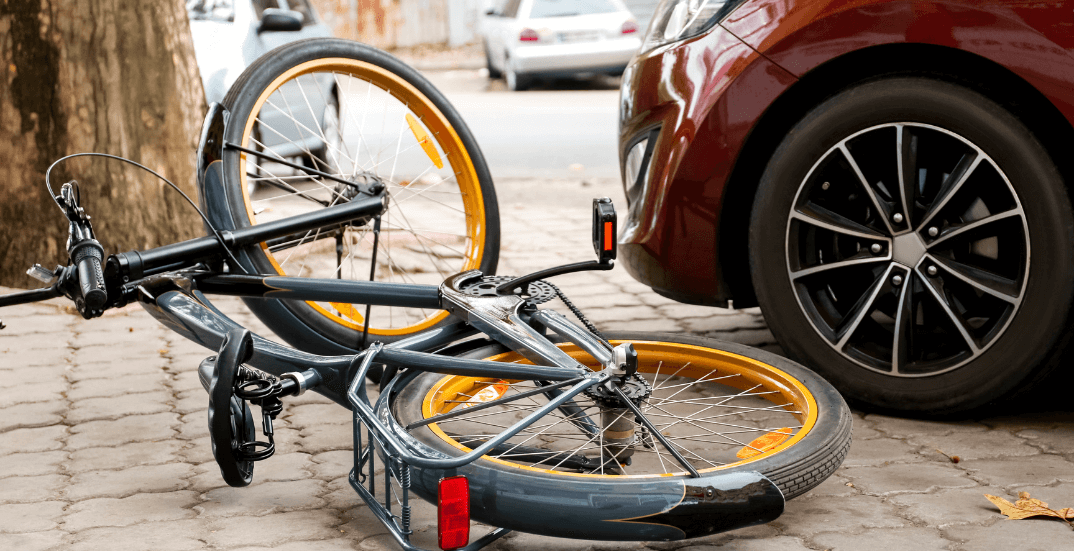
Autonomous features can influence a crash, but they do not automatically decide fault. Responsibility is based on driver behavior, system performance, and legal standards that apply to all road users.
This matters across different accident types, not just car crashes. The same principles of fault and liability can apply in situations involving pedestrians or cyclists. A New Orleans bicycle accident lawyer often evaluates similar questions about shared responsibility, negligence, and compliance with traffic laws.
Understanding how fault works in technology-driven crashes helps clarify what happens after an accident. It also explains why multiple parties may be involved in a single claim.
Why Understanding Bicycle Laws Matters
Knowing how fault is assigned matters after any crash. Louisiana law looks at all contributing factors, which directly affects liability and financial recovery.
Many drivers assume technology reduces responsibility, but the law still expects proper supervision and reasonable decision-making.
“A person operating a bicycle upon a roadway shall have all of the rights and duties applicable to the driver of a vehicle.” — La. R.S. § 32:194
As technology evolves, courts continue to apply established rules like comparative fault and product liability, making it important to understand how these laws work in real situations.
Key Louisiana Bicycle Laws Every Cyclist Should Know
Louisiana treats bicycles as vehicles, which means cyclists are expected to follow many of the same rules as drivers.
- Helmet use is required for riders under 12, while adults are encouraged to wear one for safety
- Ride as far to the right as practical, except when turning, passing, or avoiding hazards
- Riding side by side is allowed, but limited to two cyclists at a time
- Bicycles are not allowed on interstates or controlled-access highways
- Children under 40 pounds or shorter than 40 inches must be secured in a proper child seat
Following these basic rules helps reduce risk, improve visibility, and keep everyone on the road safer.
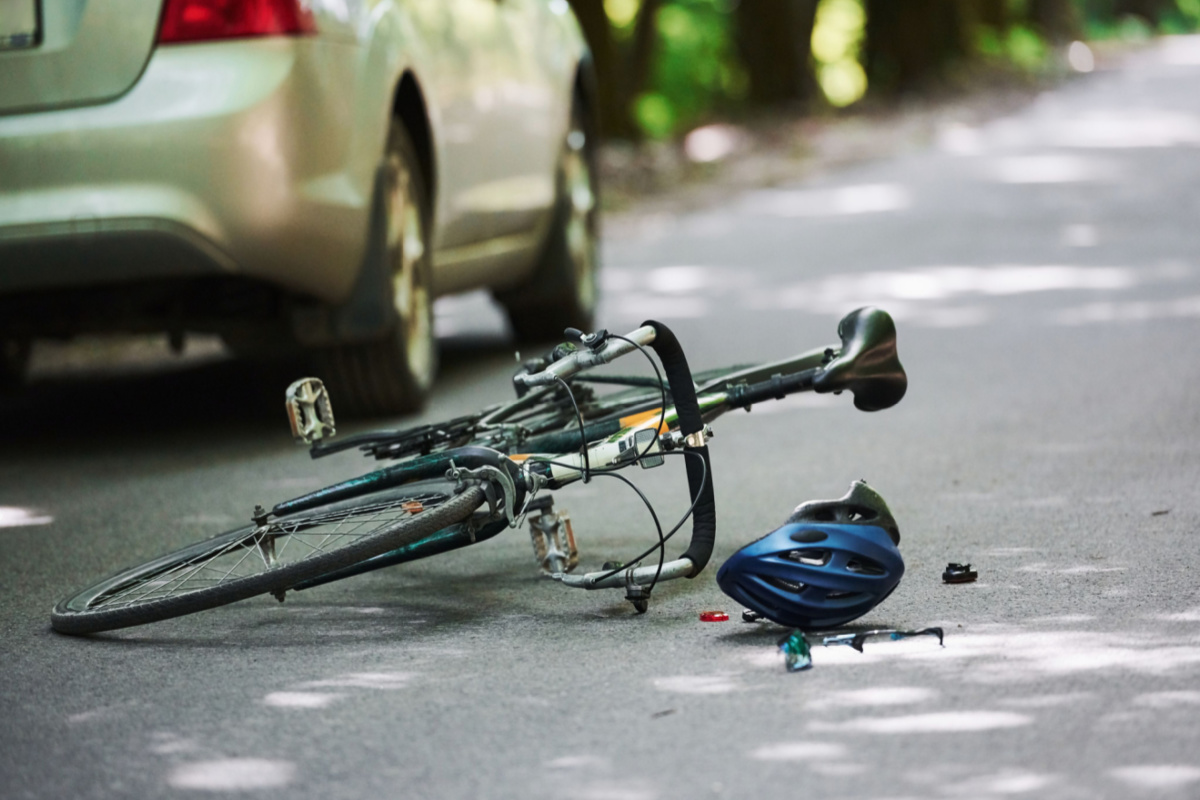
Visibility, Equipment, and Signaling Requirements
Visibility and signaling are among the most important aspects of bicycle safety rules in Louisiana. Proper equipment ensures you are seen by motorists and can communicate your movements clearly.
- Lights and Reflectors: A white front light (visible from 500 ft) and a red rear reflector (visible from 600 ft) are required.
- Brakes: Your bike must stop and skid on dry pavement; check them regularly.
- Hand Signals: Use clear arm signals for turns and stops to alert nearby drivers.
These simple steps keep you visible, predictable, and much safer on Louisiana roads.
Responsibilities of Motorists Toward Cyclists
Drivers play a vital role in keeping Louisiana’s roads safe for cyclists. Understanding and following these rules helps prevent accidents and promotes respectful road sharing.
- Three-Foot Passing Law: Drivers must keep at least three feet of space when overtaking a bicycle (La. R.S. § 32:76.1).
- Avoiding Bicycle Lanes: Do not drive or park in bike lanes unless turning within 200 feet or entering/exiting a driveway, and always yield to cyclists.
- Anti-Harassment Law: It’s illegal to threaten, yell at, or throw objects at cyclists (La. R.S. § 32:201).
When motorists follow these simple laws, they help make Louisiana’s streets safer and more predictable for everyone.
Get Your Free Consultation
Safety Tips and Common Mistakes
While laws define what’s required, safe riding habits go beyond regulations. Every cyclist can reduce risk by being proactive and alert.
Tips for Cyclists:
- Always wear bright or reflective clothing to improve visibility.
- Obey all traffic signs, signals, and road markings.
- Avoid distractions such as headphones or phones while riding.
- Use bike lanes when available and ride predictably.
Tips for Motorists:
- Check mirrors for cyclists before turning or opening doors.
- Avoid sudden lane changes near bike lanes.
- Slow down when driving near schools or neighborhoods with heavy bike traffic.
The City of New Orleans reports a steady rise in cycling-related injuries. Local campaigns like Vision Zero aim to reduce fatalities by improving infrastructure and public awareness.
Recent Updates or Local Initiatives
Louisiana has introduced several measures to promote cyclist safety and road sharing. Cities like New Orleans and Baton Rouge are expanding protected bike lanes and improving signage.
Statewide campaigns now focus on educating both drivers and cyclists about road safety awareness in Louisiana.
The Louisiana Department of Transportation and Development also partners with advocacy groups to track accident data and identify high-risk areas.
These initiatives are part of a broader movement to make Louisiana’s roads safer and more inclusive for all travelers.
Key Louisiana Bicycle Laws and Requirements
|
Category |
Law / Code |
Summary |
| Helmet Requirement | La. R.S. § 32:199 | Required for cyclists under 12 years of age |
| Passing Distance | La. R.S. § 32:76.1 | Drivers must maintain a 3-foot distance when overtaking bicycles |
| Lighting | La. R.S. § 32:329 | Headlamp visible for 500 ft; rear reflector visible for 600 ft |
| Brake Standard | La. R.S. § 32:329(B) | Bicycle must be able to skid on dry, clean pavement |
| Shoulder Riding | La. R.S. § 32:194 | Cyclists may use shoulders; motor vehicles may not |
| Harassment | La. R.S. § 32:201 | Prohibits harassment or intimidation of cyclists |
FAQs
Are cyclists required to follow the same traffic laws as drivers in Louisiana?
Yes. Cyclists must follow all traffic laws, including obeying signals and yielding when required under La. R.S. § 32:194.
Can adults ride without helmets in Louisiana?
Yes. Helmets are mandatory only for riders under 12, but adults are strongly encouraged to wear them for safety.
What should drivers do when passing a cyclist?
Maintain at least three feet of distance when overtaking, as required by Louisiana’s Three-Foot Law.
Can cyclists ride on sidewalks or highways?
Cyclists are not allowed on interstates. Sidewalk use depends on local ordinances and is generally discouraged for adult riders.
What safety equipment is required for nighttime cycling?
Bikes must have a white front light visible from 500 feet and a red rear reflector visible from 600 feet.
Conclusion
Louisiana’s bicycle laws are designed to protect everyone on the road. When cyclists and motorists understand their rights and responsibilities, the streets become safer, more predictable, and easier to share. Visibility, awareness, and respect remain the foundation of preventing collisions and reducing injuries.
If you have questions about bicycle regulations or were involved in a traffic-related incident, the New Orleans bicycle accident lawyers at Alvendia, Kelly & Demarest Law Firm can explain how Louisiana law applies to your situation and help you understand your options.
You can schedule a free consultation to learn more about the steps available to you moving forward.

Categories

In 2003, after being dissatisfied with the quality of legal care for victims of car accidents, Roderick ‘Rico’ Alvendia sought to establish a new firm focused on providing high-quality legal services to aid injured victims and their families. J. Bart Kelly, sharing Rico’s passion for upholding justice, joined the firm later that year, and established a partnership.