
Partner at AKD Lawyers
Practice Areas: Personal Injury, Insurance Claims
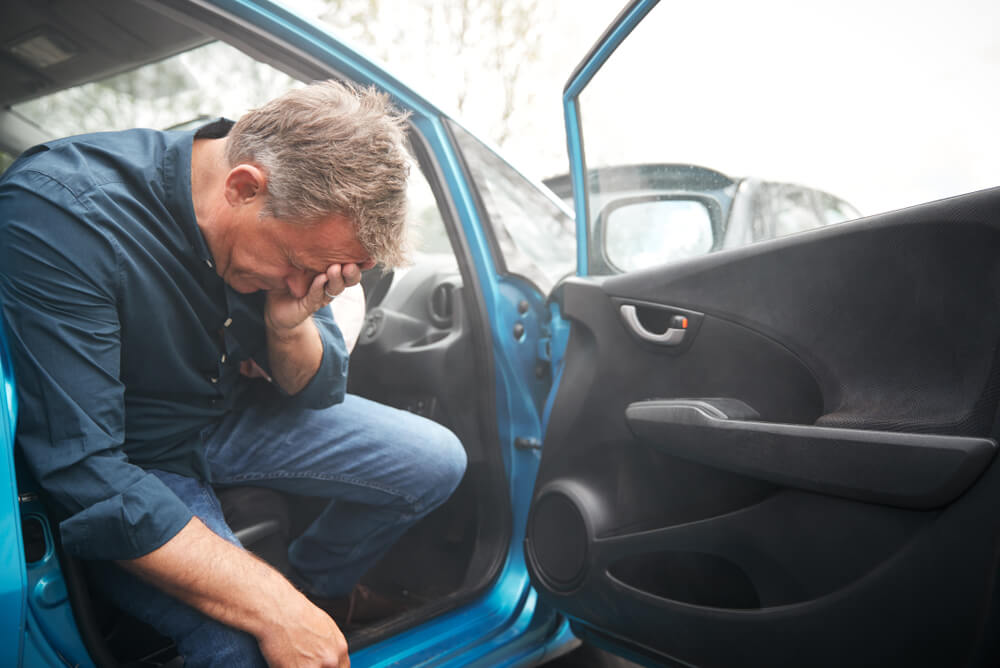
One of the first worries after a crash is whether your claim can survive if no one else saw what happened. In New Orleans, the short answer is yes. A car accident case can move forward without eyewitnesses as long as the evidence shows the other driver was likely at fault.
Louisiana law relies more on reliable evidence than on bystander accounts. Witness testimony can help, but it is not required. If you are unsure what proof supports your claim, a New Orleans car crash lawyer can review what you have and explain your options. Often, the documents and data tell the story better than any onlooker could.
How Louisiana Handles Claims Without Witnesses
Louisiana courts do not require third-party witnesses for a claim to proceed. Civil cases are decided on a standard called a preponderance of the evidence, which simply means it must be more likely than not that the other driver caused the crash.
That standard is good news for injured drivers, because physical evidence, records, and expert analysis frequently carry more weight than a single person’s memory. Many strong claims rest entirely on documentation rather than live testimony.
Proving Fault Under Louisiana’s Comparative Fault Rule
Louisiana follows a comparative fault system, so the amount you can recover depends on your share of the blame.
For crashes on or after January 1, 2026, you can recover damages only if you are 50% or less at fault, and your compensation is reduced by your percentage of fault. If you are 51% or more at fault, you cannot recover damages. Earlier crashes are covered by Louisiana’s previous comparative fault rule.
In a no-witness accident, insurance companies may argue that you share some of the blame. Fault is determined by the evidence, which may include:
- Traffic law violations
- Damage to the vehicles
- Statements made at the scene
- Medical evidence showing how the crash caused the injuries
Evidence That Can Replace An Eyewitness
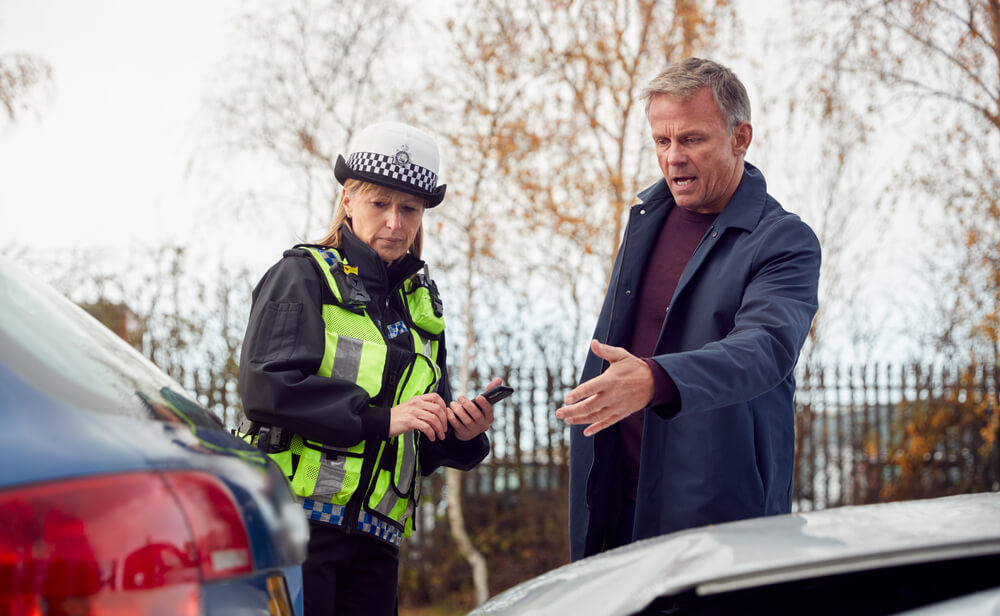
You do not need an eyewitness to prove what happened. In many cases, the strongest evidence comes from the scene itself. Helpful evidence may include:
- Police reports and any citations issued.
- Photos of the vehicles, road, and crash scene.
- Traffic camera, dashcam, or surveillance footage.
- Medical records linking your injuries to the crash.
- Accident reconstruction reports.
- Vehicle event data recorder (“black box”) information.
The more evidence you can preserve, the easier it is to support your claim.
| Type of Evidence | What It Shows | Why It Matters |
| Police report | Officer observations, citations | Supports the fault finding |
| Photographs | Vehicle damage, road conditions | Corroborates how the crash happened |
| Traffic camera footage | Sequence of events | Provides an objective timeline |
| Dashcam footage | Driver’s-eye view | Shows what occurred |
| Medical records | Injury consistency | Links injuries to the crash |
| Reconstruction | Expert analysis | Clarifies fault when disputed |
| Event data recorder | Speed, braking | Confirms technical details |
Accident reconstruction experts can study skid marks, vehicle angles, and impact points to clarify disputes when two drivers’ stories conflict.
How Fault Is Determined When Drivers Disagree
Insurance companies and courts look beyond each driver’s version of events to determine what most likely happened.
They may consider the damage to the vehicles, photos of the scene, police observations, medical records, video footage, and other available evidence. If a lawsuit is filed, additional evidence may also be obtained through the legal process.
When there are conflicting stories, objective evidence often carries the most weight. Preserving that evidence as early as possible can make a significant difference.
Louisiana’s Deadline for Filing a Car Accident Lawsuit
Louisiana law gives you a limited amount of time to file a personal injury lawsuit. For crashes that happened on or after July 1, 2024, you generally have two years from the date of the accident to file. Earlier accidents were subject to the state’s former one-year deadline.
Waiting can create other problems, too. Traffic camera footage, surveillance video, and other records may be deleted before your claim is fully investigated. Taking action sooner gives you a better chance of preserving evidence that could support your case.
When Legal Help May Be Worth Considering
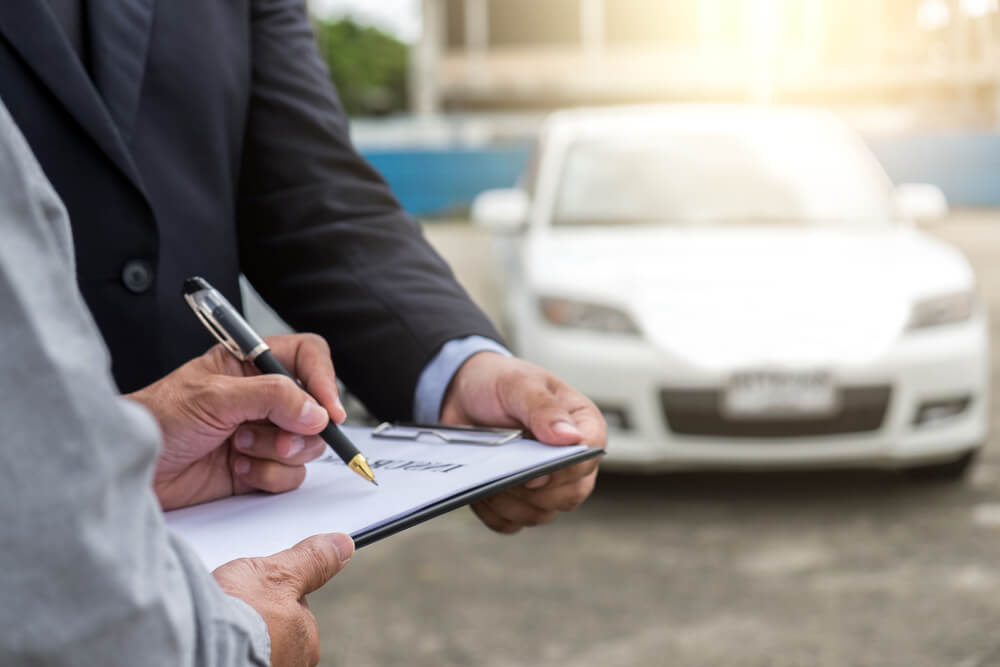
Insurance companies often scrutinize no-witness accidents more closely because there is no independent account of what happened. If the fault is disputed or your claim is denied, it may be time to speak with a lawyer.
A lawyer can assess the evidence, identify gaps that need to be addressed, communicate with the insurance company on your behalf, and advise you on the best path forward. That can be especially valuable when the other driver tells a different story or the available evidence leaves room for disagreement.
Frequently Asked Questions
Can I win a car accident case in New Orleans if no one saw the crash?
A lack of witnesses does not prevent you from filing a claim. If the available evidence shows the other driver was more likely at fault, you may still recover compensation.
What if the other driver denies responsibility?
Insurers and courts review physical damage, the police report, medical records, and electronic data to determine fault objectively, not just by each driver’s word.
Does Louisiana law require eyewitness testimony?
No. Louisiana does not require third-party witnesses to file or pursue a car accident claim.
How does comparative fault affect a no-witness case?
If you are found partly responsible for the crash, your compensation may be reduced. For accidents on or after January 1, 2026, you can recover damages only if you are 50% or less at fault.
How long do I have to file a car accident lawsuit in Louisiana?
For most crashes on or after July 1, 2024, you generally have two years from the date of the accident to file a lawsuit. Because some exceptions may apply, it is a good idea to confirm the deadline as early as possible.
Get Your Free Consultation
Get Legal Guidance After a No-Witness Car Accident
Not having an eyewitness does not mean your case is over. Many car accident claims are resolved using the available evidence, even when no one else saw the crash. What matters is presenting the facts clearly and preserving important evidence before it is lost.
If you were injured in a crash without witnesses, the attorneys at Alvendia, Kelly & Demarest can review the available evidence, explain your legal options, and help you determine the next steps. Call (504) 200-0000 to schedule a free consultation. You pay no attorney’s fees unless we recover compensation for you. Get in touch here.


Categories
In 2003, after being dissatisfied with the quality of legal care for victims of car accidents, Roderick ‘Rico’ Alvendia sought to establish a new firm focused on providing high-quality legal services to aid injured victims and their families. J. Bart Kelly, sharing Rico’s passion for upholding justice, joined the firm later that year, and established a partnership.