
Partner at AKD Lawyers
Practice Areas: Personal Injury
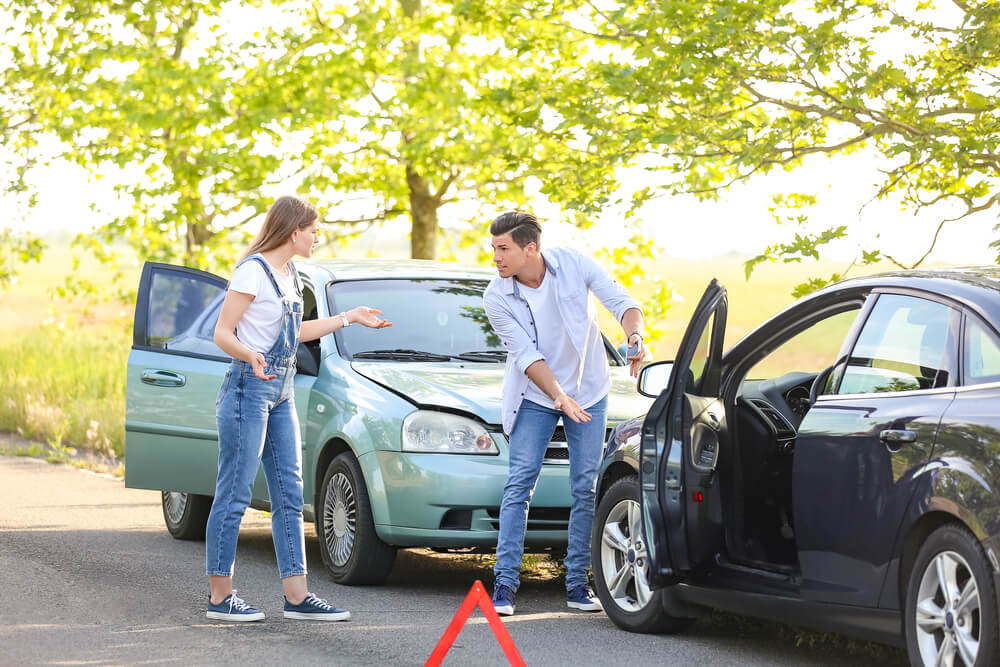
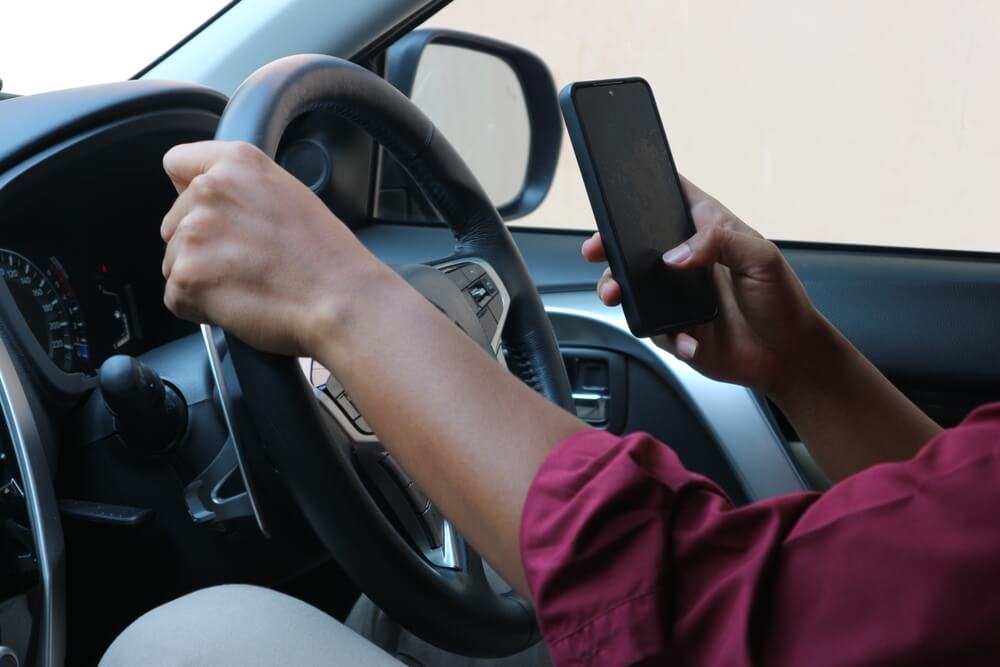
A driver looking down at a phone for a few seconds can miss a stop, drift into another lane, or fail to see another car. Louisiana now has a statewide rule against this kind of handheld phone use while driving.
The hands-free law took effect August 1, 2025, with fines beginning January 1, 2026. If a driver was using a phone when they caused your crash, the violation may become part of the evidence in your injury claim.
This guide explains what Louisiana’s new law prohibits, when it applies, and what phone use can mean when a crash ends up in an insurance or injury claim. A New Orleans collision injury attorney can review the facts of your accident and explain your options.
What Louisiana Drivers Can No Longer Do
The new law makes it unlawful to operate a wireless telecommunications device while driving on a public road unless the vehicle is lawfully stationary.
That means a driver generally cannot hold a phone or operate it while the vehicle is moving. The rule applies throughout Louisiana, including city streets, highways, and other public roads.
If a driver needs to use a phone, they should use a permitted hands-free method or wait until the vehicle is lawfully stopped.
When the New Rule Started
The law became effective on August 1, 2025. For the rest of that year, drivers were generally given warnings as part of the state’s transition period.
Beginning January 1, 2026, officers could issue citations and fines. That makes the date of a crash important when looking at whether a driver’s phone use violated the law.
What Counts as a Violation?
The restriction covers more than texting. Under La. R.S. 32:59, prohibited conduct can include:
- Holding or physically supporting a phone.
- Making or answering a call without an allowed hands-free system.
- Reading or sending messages
- Scrolling through social media or other apps
- Taking photographs or videos
- Manually operating apps on the device
There are exceptions. These include contacting 911, reporting an emergency, using hands-free navigation, and using a device while the vehicle is lawfully stationary.
Get Your Free Consultation
Can Phone Use Affect a Car Accident Claim?
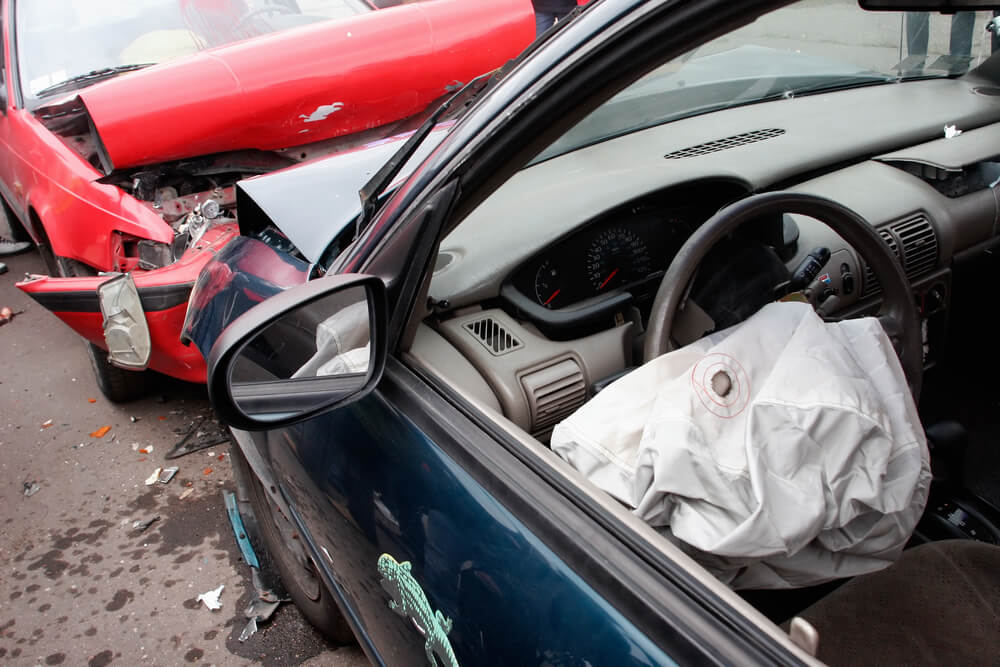
A driver who was using a phone illegally may have been distracted at the time of the crash. If that distraction contributed to the collision, it can become part of the evidence used to determine fault.
The accident report may contain information about wireless-device use. A police report is only one source, though. Witnesses, photographs, video, and other records may also help establish what the driver was doing.
A phone violation does not automatically make the other driver responsible for the entire accident. There still has to be evidence connecting the conduct to the crash.
What Evidence Can Show Phone Use?
Sometimes the driver admits using the phone. In other cases, someone else saw it happen.
Useful evidence may include:
- Statements from people who witnessed the crash
- Dashcam or surveillance footage
- The police accident report
- Photos from the scene
- Phone records, when they can be obtained
Phone records may show activity around the time of a collision. An attorney can determine whether those records may be available and relevant to the claim.

Louisiana’s Hands-Free Law At A Glance
| Question | Answer |
|---|---|
| What law applies? | La. R.S. 32:59 (Act 288 of 2025) |
| When did fines begin? | January 1, 2026 |
| What is banned? | Holding or using a device while driving |
| Main exceptions | 911, emergencies, hands-free GPS, lawfully stationary |
| Crash while violating? | Higher fine; device use noted on the crash report |
| Why it matters to a claim | Documents the other driver’s distraction |
Questions About Louisiana’s Hands-Free Law
Can I use my phone at a red light?
The answer depends on whether the vehicle is legally stationary under the statute. The law allows certain device use when a vehicle is lawfully stationary, but a driver should not assume that simply slowing down or stopping temporarily makes phone use legal.
Does a hands-free ticket prove the driver caused my accident?
No. A citation can be useful evidence, but it does not by itself establish that the driver caused the collision. The rest of the evidence still matters.
What if the other driver was using a phone but did not receive a ticket?
A ticket is not required for phone use to become relevant to a civil claim. Witness statements, video, the accident report, and other evidence may still help establish what happened.
Can phone records be used after a crash?
They may be, depending on the circumstances and how the records are obtained. Phone records can sometimes help determine whether a device was being used around the time of a collision.
What are the penalties for violating the law?
Fines generally begin at $100, with higher penalties possible in certain school and construction zones. A higher fine may also apply when the violation is connected to a crash. Any traffic penalty is separate from a person’s right to pursue compensation for injuries caused by the accident.
Talk to a New Orleans Car Accident Lawyer
The hands-free law gives police and crash investigators another fact to consider when determining what happened. If phone use played a role in your accident, the violation may become part of the evidence used to examine fault.
If you were injured in a crash involving suspected distracted driving, Alvendia, Kelly & Demarest can review the circumstances and explain your legal options.
Call (504) 200-0000 for a free consultation. No fee unless we win. Reach out today.


Categories

In 2003, after being dissatisfied with the quality of legal care for victims of car accidents, Roderick ‘Rico’ Alvendia sought to establish a new firm focused on providing high-quality legal services to aid injured victims and their families. J. Bart Kelly, sharing Rico’s passion for upholding justice, joined the firm later that year, and established a partnership.