
Associate at AKD Lawyers
Practice Areas: Personal Injury, Property Damage, Insurance Bad Faith Claims, Breaches of Contracts, Employer-Employee Disputes

A dash cam can show what happened in the seconds before a crash. That can help when drivers remember the accident differently or when there are questions about who had the right of way.
The camera may capture traffic signals, lane changes, sudden stops, road conditions, and the other vehicle. Some cameras also record sound, GPS location, and the date and time.
Dash cam footage does not take the place of a police report, but it can add another account of what happened. If you have video from a crash and are unsure whether it could help your claim, a New Orleans automobile accident lawyer can review it with the rest of your evidence.
What a Dash Cam Records
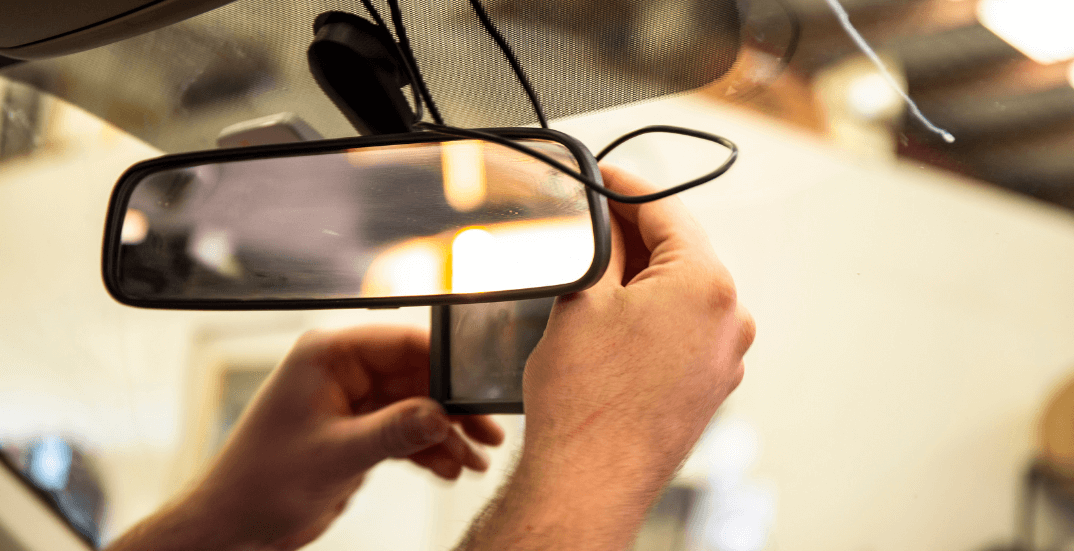
A dash cam sits inside your vehicle and records as you drive. Depending on the camera, it may show the road ahead, the rear of the vehicle, or the inside of the cabin.
Most dash cams use loop recording. When the memory fills up, the camera starts recording over older footage. Some models also save the date, time, and GPS location with the video.
If you are in a crash, save the recording as soon as possible. Waiting too long could mean the camera records over the clip you need.
Types of Dash Cams
|
Type |
What it records | Useful for |
Limitation |
| Front-facing | View through the windshield | Frontal crashes, traffic lights | Does not capture rear or side impacts |
| Dual-channel | Front and rear views | Rear-end and multi-vehicle crashes | Side impacts may not be recorded |
| 360-degree | Surrounding area | Blind spots, trucks, larger vehicles | Costs more and uses more storage |
| Interior + exterior | Inside the car and the road | Rideshare and fleet vehicles | Raises privacy concerns |
A front camera is enough for many drivers, but it only shows what happens ahead. A dual-channel camera adds a rear view, while 360-degree models cover more of what is happening around the vehicle.
Interior cameras can also record what happens inside the car, which can be useful for rideshare and fleet drivers but creates additional privacy concerns.
How Louisiana Courts Treat Dash Cam Footage
In Louisiana, dash cam footage is generally admissible as long as it meets three conditions: authenticity, relevance, and integrity. The recording must be genuine and unedited to carry weight.
Drivers need to be careful with audio. Under La. R.S. 15:1303, recording someone’s voice without consent can run into Louisiana’s electronic surveillance rules. Video in public view is far less of a concern than capturing private conversations.
Courts also care about chain of custody, meaning how you store and handle the footage. Keep the original files, preserve the timestamps, and avoid any edits so the video holds up if a claim becomes a dispute.
How Dash Cam Footage Can Help
A crash can happen too quickly to remember every detail. Video can fill in those gaps and show what was happening just before the impact.
It may help:
- Show what happened: The footage can capture a traffic light, a lane change, a sudden stop, or road conditions.
- Back up your account: An insurer can compare the video with the drivers’ statements and the police report.
- Find a hit-and-run driver: A camera may catch the vehicle’s color, make, model, or license plate. Hit-and-run footage can be especially useful when there are no witnesses.
The video is still one piece of evidence. Police reports, witness accounts, photos, and other records may also matter when fault is disputed.
Get Your Free Consultation
What Dash Cam Footage May Miss
A dash cam has its limits. The camera may not capture a vehicle coming from the side, and poor lighting or a blocked view can make the footage difficult to use.
Audio can raise separate privacy concerns, particularly when a camera records inside the vehicle. Sharing accident footage online can also create problems while a claim is being investigated.
Keep the original footage private and provide it to your insurer or attorney when needed.

Keeping Your Dash Cam Footage
Check your dash cam regularly to make sure it is still working. The camera should be firmly mounted, the lens should be clean, and the recording should be clear.
If you are involved in a crash, save the video right away. Most dash cams record over older clips when the storage fills up.
Keep the original file, including its timestamp and other recording details. Do not edit the clip before giving it to your insurer or lawyer.
Frequently Asked Questions
Can dash cam footage be used in a Louisiana court?
It can, as long as the footage is relevant and can be shown to be genuine and unchanged. Audio recordings can raise separate issues under La. R.S. 15:1303.
Does dash cam video replace a police report?
No. It is additional evidence that can be considered along with the police report, witness statements, photos, and other records.
How long is dash cam footage saved?
That depends on the camera and its storage. Many cameras automatically overwrite older clips. Save anything important after a crash.
Can dash cams create privacy issues?
They can, particularly when audio is recorded inside the vehicle. Louisiana has rules covering recorded conversations and electronic surveillance.
What should I do to preserve the footage?
Save the original clip and make a backup. Keep the file in its original form rather than cutting, filtering, or otherwise changing it.
Talk to a New Orleans Car Accident Lawyer
Dash cam footage can be the difference between a denied claim and a fair recovery, but only if you preserve it and use it correctly. If you capture a crash on camera, Alvendia, Kelly & Demarest can review it and explain how it supports your claim under Louisiana law.
Call (504) 200-0000 for a free consultation. No fee unless we win. Reach out today.
Reviewed by Michael Finkelstein, Associate at Alvendia, Kelly & Demarest Law Firm.


Categories

In 2003, after being dissatisfied with the quality of legal care for victims of car accidents, Roderick ‘Rico’ Alvendia sought to establish a new firm focused on providing high-quality legal services to aid injured victims and their families. J. Bart Kelly, sharing Rico’s passion for upholding justice, joined the firm later that year, and established a partnership.