
Partner at AKD Lawyers
Practice Areas: Personal Injury
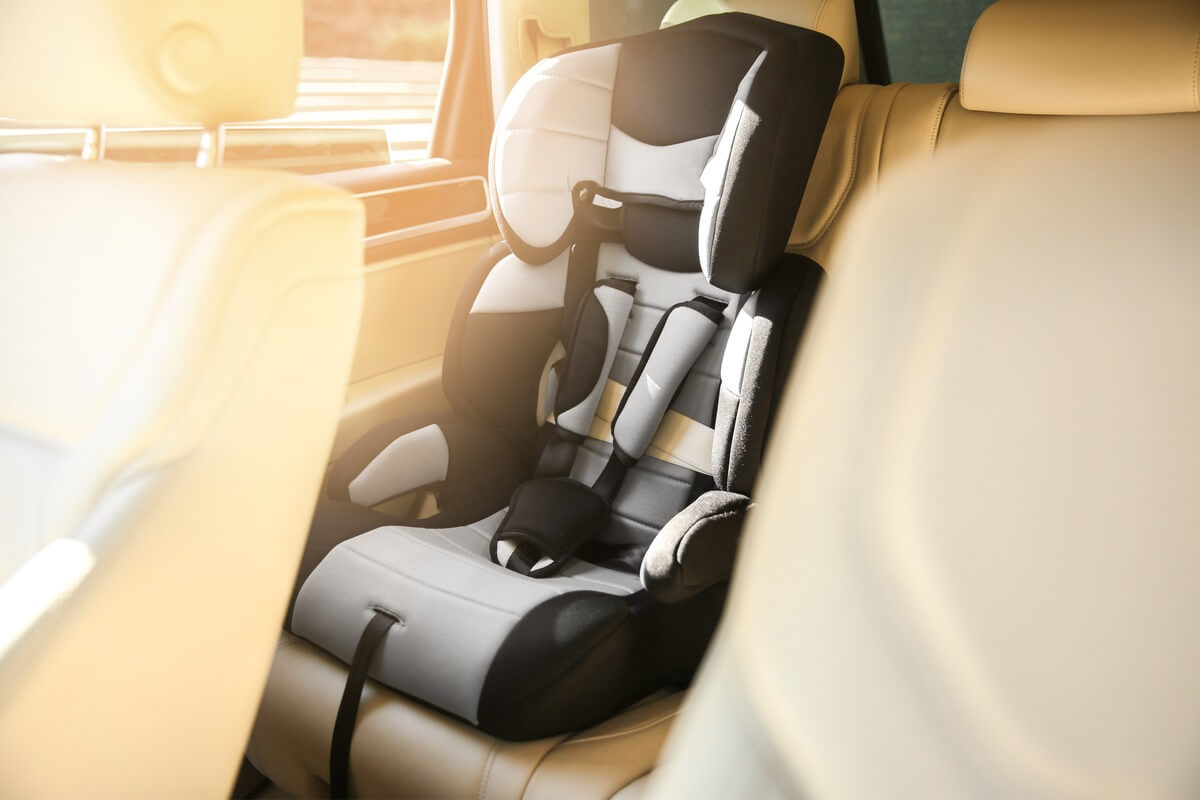
Bringing your baby home is a moment you don’t forget, and that first drive can feel a bit overwhelming. Even short trips start to feel different when there’s a newborn in the back seat. Most of it comes down to being prepared before you leave, especially making sure the car seat is installed correctly and your baby is safely strapped in.
This guide covers the basics new parents need: Louisiana car seat rules, choosing and installing the right infant seat, and staying focused while driving. And if a crash ever happens with your child in the car, a New Orleans car accident lawyer can help explain how Louisiana’s child safety and liability rules apply.
Know Louisiana’s Car Seat Rules
Newborns are very fragile, and their safety depends heavily on using the right car seat correctly. In Louisiana, children under two are generally required to ride in a rear-facing seat unless they outgrow the manufacturer’s height or weight limits (La. R.S. 32:295).
The American Academy of Pediatrics also suggests keeping babies rear-facing for as long as possible, since this position better supports the head, neck, and spine during sudden stops. Car crashes remain one of the leading causes of injury for young children, so following both legal rules and medical advice really matters. Our guide to compensation for children injured in crashes explains what happens when the worst happens.
Choose The Right Seat
Picking the right seat is the first real step in newborn safety. Rear-facing infant seats are ideal early on because they cradle the baby during impact. Convertible seats transition from rear- to forward-facing, giving you longer use.
Always check the manufacturer and expiration dates, since car seat materials weaken over time. Avoid second-hand seats unless you can confirm they have never been in a crash and are not expired. Safety labels should be visible, and the seat should meet federal standards.

Install It Correctly
Even the best seat will not help if it is installed incorrectly, and the NHTSA reports that a majority of car seats are not installed correctly. A few checks go a long way:
- Place the seat in the back, ideally in the center.
- Secure it with either the LATCH system or the seat belt, not both.
- Make sure the seat does not move more than one inch side to side or front to back.
Many Louisiana communities offer free car seat inspection programs where a certified technician will review your setup and fix problems on the spot. It is worth a visit before your first drive home.
Keep The Seat In Good Shape
Routine maintenance is part of keeping your baby safe. Straps loosen, and small cracks can form over time. Clean harness straps with mild soap and water, since harsh chemicals weaken the fibers.
If your seat was in a moderate or severe crash, replace it right away, even if it looks fine, and check periodically for recalls. A seat that has absorbed crash forces may not perform the same way again.
Stay Focused Behind The Wheel
Safe driving with a newborn really starts before you even move the car. Set your mirrors, buckle your seat belt, and get your music or navigation ready so you don’t have to adjust while driving.
Try to keep distractions out of the picture. Reaching into the back seat, eating, or even checking your phone for a second can be enough to cause trouble. If your baby is crying or needs your attention, it’s always safer to pull over first and address it calmly.
Keep the car comfortable, too. Use sunshades if needed, keep the temperature steady, and dress your baby in light layers rather than bulky clothes that can interfere with the car seat harness.
Plan Ahead For Longer Drives
Longer trips need a bit more planning than quick errands. Experts usually suggest not keeping a newborn in a car seat for more than about 2 hours at a time, since prolonged sitting can affect breathing.
Pack what you might need ahead of time so you are not scrambling later. Plan breaks every hour or two to feed your baby, change them if needed, and just check they are doing okay. If you can, try to travel around their nap time so the ride is a little smoother.
It also helps to keep a small emergency kit in the car with basics like water, a blanket, a flashlight, a phone charger or power bank, and some snacks for you. And before you head out, it’s smart to know the nearest hospital or urgent care along your route, just in case anything comes up.
Common Mistakes To Avoid
Common mistakes to avoid
- Switching to forward-facing too early.
- Loose harness straps or a chest clip not positioned correctly.
- Adding non-approved accessories that interfere with the car seat.
Reviewing your setup regularly keeps your child safe on every trip. If your baby was injured in a crash, prompt medical care and good documentation protect both their health and any future claim.
Car Seat Types At A Glance
| Car seat type | Recommended age/weight | Orientation | Key notes |
|---|---|---|---|
| Infant seat | Birth–12 months (22–35 lbs) | Rear-facing only | Best neck and spine support for infants |
| Convertible seat | Birth–4 years (up to ~50 lbs) | Rear, then forward | Longer use, adjustable design |
| Booster seat | 4+ years (40–120 lbs) | Forward-facing | Positions the seat belt for a proper fit |
Frequently Asked Questions
How often should I replace my baby’s car seat?
Roughly every six to ten years from the manufacture date, or sooner if it was recalled, damaged, or in any crash.
Can my baby wear a winter coat in the car seat?
No. A thick coat keeps the harness from fitting snugly. Dress your baby in thin layers and lay a blanket over the buckled harness instead.
When should I get a professional car seat inspection?
Before your first trip home, and any time you reinstall the seat, move it to a different car, or take a long trip.
What should I do if my child is hurt in a crash?
Get medical care right away, keep all records, and document the scene if you can. A lawyer can explain how Louisiana’s child-injury and fault rules apply.
Get Your Free Consultation
Understanding Your Options After a Crash in New Orleans
Keeping your newborn safe on the road is really about preparation, but if a crash ever happens, you do not have to deal with everything on your own.
The team at Alvendia, Kelly & Demarest works with New Orleans families after collisions and can help you understand your options and the next steps that make sense. You can call (504) 200-0000 for a free consultation, and there is no fee unless we win.
If you are unsure what to do after an accident, reaching out early can make sorting things out a little easier.


Categories
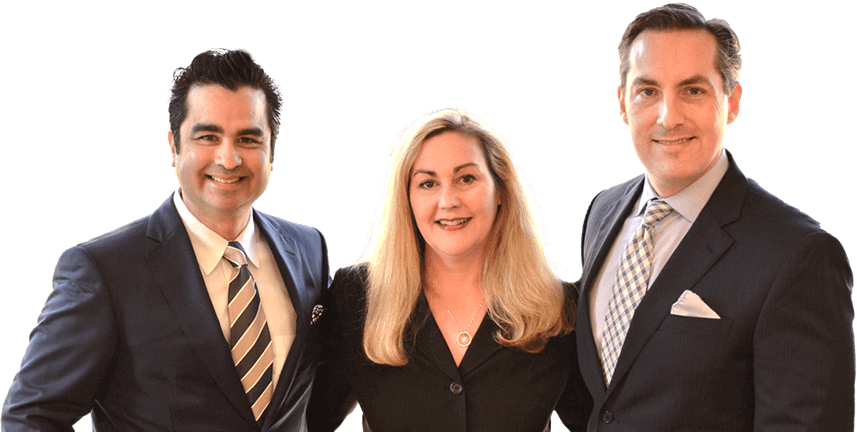
In 2003, after being dissatisfied with the quality of legal care for victims of car accidents, Roderick ‘Rico’ Alvendia sought to establish a new firm focused on providing high-quality legal services to aid injured victims and their families. J. Bart Kelly, sharing Rico’s passion for upholding justice, joined the firm later that year, and established a partnership.