
Partner at AKD Lawyers
Practice Areas: Personal Injury
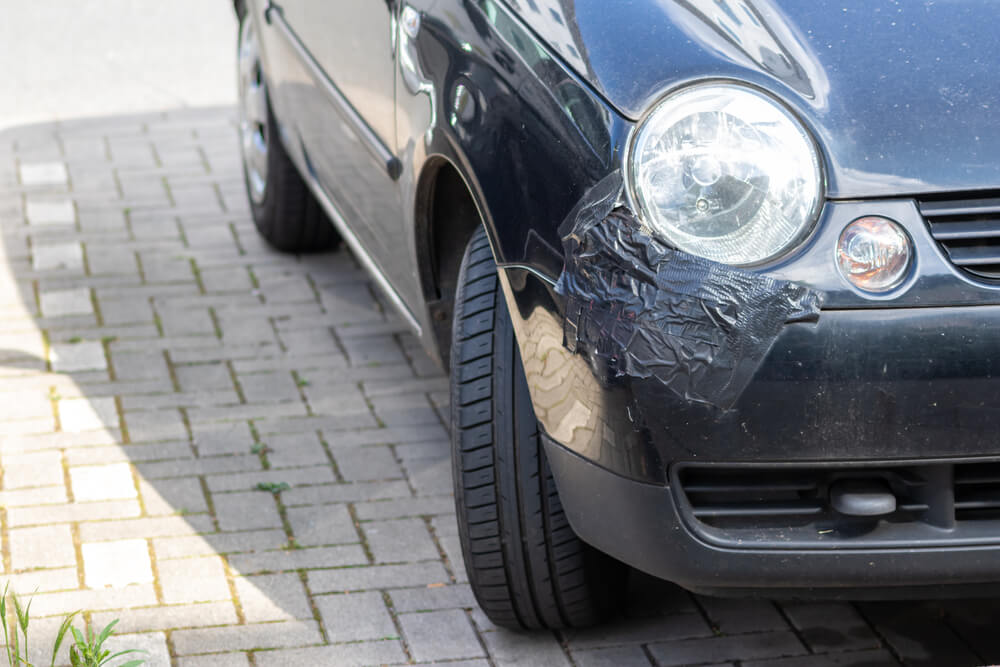
Don’t assume a serious accident automatically opens the door to punitive damages. In Louisiana, they are available only in limited situations created by statute. That means the question isn’t how severe the crash was. It’s whether state law allows this type of claim in the first place.
If punitive damages are available, they are awarded in addition to compensation for losses such as medical bills, lost income, and pain and suffering. A New Orleans car accident claim lawyer can tell you whether punitive damages might apply to your facts, but here is how the rule works.
Key Takeaways
- Punitive damages in Louisiana are not generally available and require specific statutory authorization.
- Most accident cases involve only compensatory damages.
- La. Civ. Code art. 2315.4 governs punitive damages for drunk driving.
- Another state’s law may apply in limited circumstances under art. 3546.
What Punitive Damages Are
Punitive damages, also called exemplary damages, are meant to punish extreme misconduct rather than compensate a victim. That makes them different from compensatory damages, which reimburse actual losses like medical bills and lost wages.
Louisiana follows a civil-law system that does not broadly allow punitive damages. As a rule, courts cannot award them unless a statute expressly authorizes it.
When Can You Recover Punitive Damages?
Louisiana does not generally allow punitive damages in personal injury cases. Unlike some states, they are available only when a specific law authorizes them.
For car accident claims, the statute people rely on most often is Louisiana Civil Code article 2315.4, which applies to certain crashes involving intoxicated drivers.
Without statutory authority, courts cannot award punitive damages, even if the injuries are severe or the driver’s conduct was careless.
Drunk Driving Is the Main Exception
Article 2315.4 allows a court to award exemplary damages when an intoxicated driver causes injuries through reckless conduct.
To succeed on that claim, the evidence must show that:
- The driver was intoxicated,
- The intoxication contributed to the crash, and
- The driver’s conduct met the legal standard required by the statute.
A criminal DUI conviction may strengthen a claim, but it is not the only way to prove intoxication in a civil case.
“In addition to general and special damages, exemplary damages may be awarded if the injuries were caused by a defendant whose intoxication while operating a motor vehicle was a cause in fact of the injuries.” — La. Civ. Code art. 2315.4
When Punitive Damages Are Not Available
Most accident claims do not qualify.
Ordinary negligence, even when it causes serious injuries, is usually not enough. Speeding, distracted driving, failing to yield, or making a careless mistake may support a claim for compensatory damages, but they generally do not support punitive damages unless a statute says otherwise.
That’s one of the biggest differences between Louisiana and many other states. The seriousness of the accident alone does not determine whether punitive damages are available.
Can Other People Be Responsible?
Article 2315.4 generally applies to the intoxicated driver’s conduct. It does not automatically make an employer, vehicle owner, or any other third party liable for punitive damages.
Depending on the facts, those parties could still face claims for compensatory damages, but punitive damages require their own legal basis.
What if Another State’s Law Applies?
Some crashes involve more than one state. For example, the collision may happen outside Louisiana or involve drivers who live elsewhere.
In those situations, Louisiana Civil Code article 3546 may allow another state’s punitive damage law to apply if the case has a strong enough connection to that state. Courts look at factors such as where the crash occurred, where the parties are domiciled, and which state’s law has the closest relationship to the dispute.
When Punitive Damages Apply, At A Glance
| Scenario | Punitive damages? | Legal basis |
|---|---|---|
| Drunk-driving accident | Yes | Art. 2315.4 |
| Distracted driving | No | No statute |
| Speeding accident | No | No statute |
| Employer liability | Limited | Case-specific |
| Out-of-state accident | Sometimes | Art. 3546 |
Alcohol-impaired driving remains a leading cause of traffic deaths nationwide, which is part of why Louisiana singled it out for exemplary damages.
Frequently Asked Questions
When are punitive damages awarded in Louisiana?
Only when a statute allows them, most commonly when an intoxicated driver’s reckless conduct causes injury.
Are punitive damages common in Louisiana accident cases?
No. The law generally prohibits them unless a specific statute applies, so they are limited to narrow situations like drunk-driving crashes.
What is Article 2315.4?
It allows exemplary damages when an intoxicated driver causes injury through wanton or reckless disregard for the safety of others.
Can I get punitive damages for a regular car accident?
Not for ordinary negligence, such as speeding or distraction, unless a statute specifically allows it.
Do I need a DUI conviction to claim them?
Not always, but you must show intoxication and reckless conduct that caused the injury.
Get Your Free Consultation
Talk to a New Orleans Car Accident Lawyer
Whether punitive damages are available depends on the facts of the accident and the applicable law. If you were injured by an intoxicated driver or have questions about the damages you may be able to recover, Alvendia, Kelly & Demarest can review your case and explain your legal options.
Call (504) 200-0000 for a free consultation. There is no fee unless we win. Reach out today.


Categories

In 2003, after being dissatisfied with the quality of legal care for victims of car accidents, Roderick ‘Rico’ Alvendia sought to establish a new firm focused on providing high-quality legal services to aid injured victims and their families. J. Bart Kelly, sharing Rico’s passion for upholding justice, joined the firm later that year, and established a partnership.