
Associate at AKD Lawyers
Practice Areas: Personal Injury, Property Damage, Insurance Bad Faith Claims, Breaches of Contracts, Employer-Employee Disputes
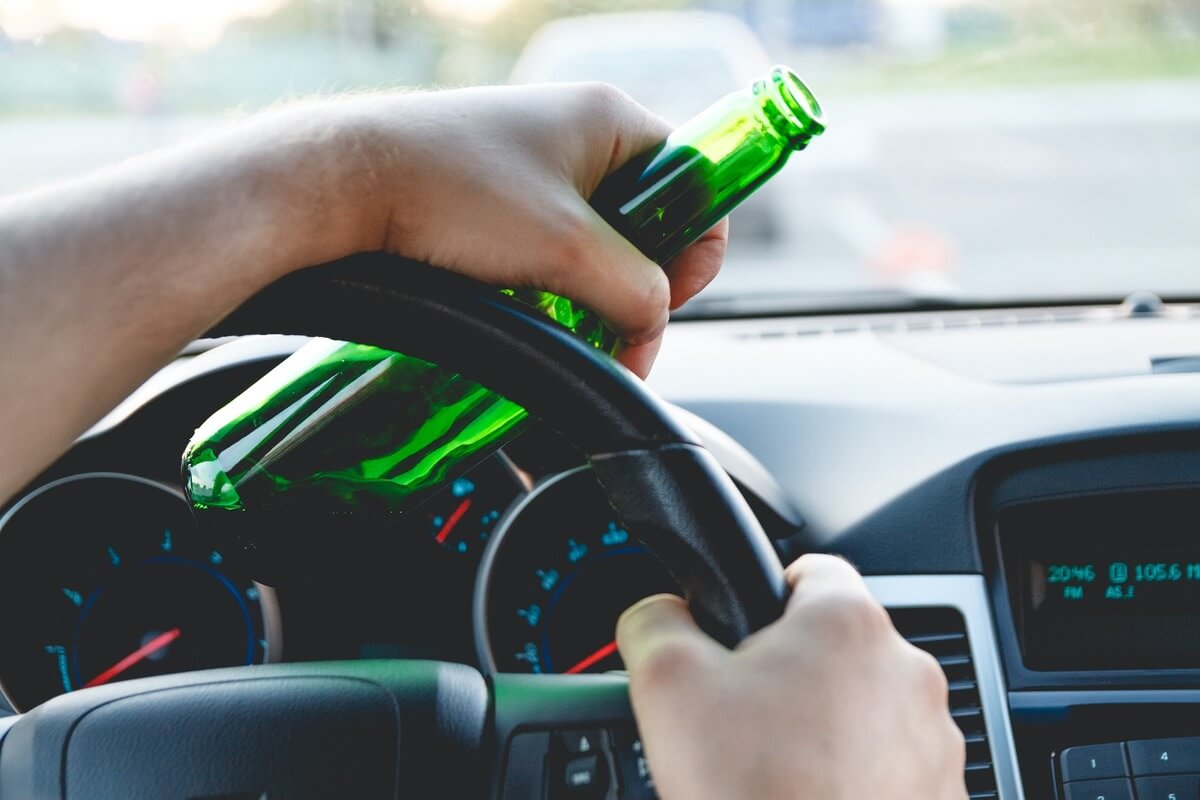
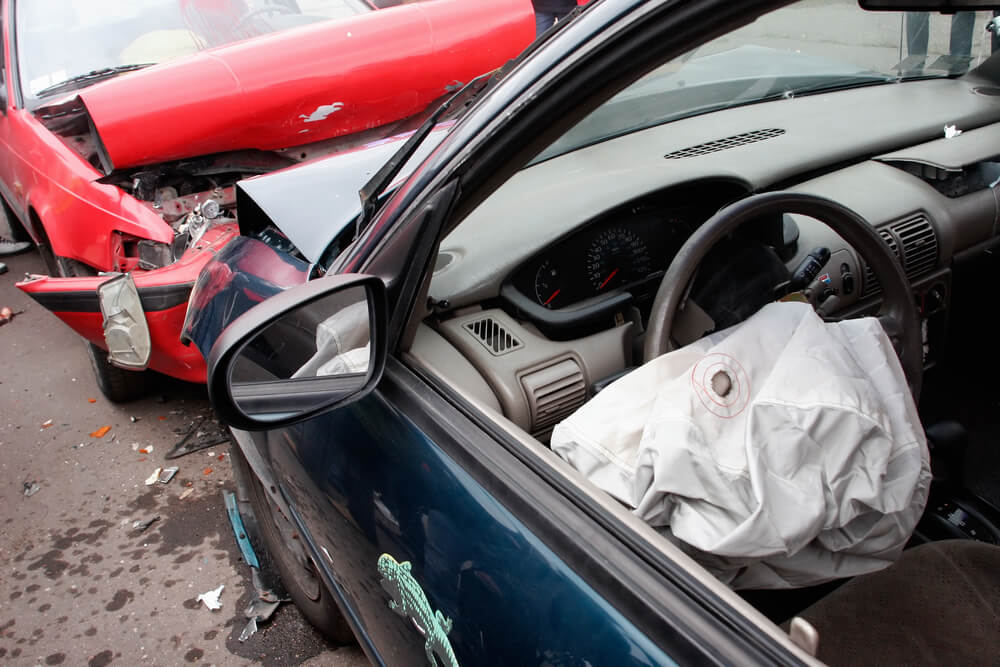
When a crash involves a drunk driver, blame may seem obvious. The impaired driver may have broken the law, but that does not always mean they are automatically 100% at fault for the collision.
Louisiana looks at what actually caused the wreck. That can include the drunk driver’s actions, what the other driver was doing, and the conditions at the time. This matters when fault is disputed or more than one person may have contributed. A New Orleans auto accident attorney can review the details, but it’s worth understanding the basics first.
Does Being Drunk Automatically Decide Fault?
Louisiana treats drunk driving seriously, and DUI may count as negligence per se because it breaks a safety law. But a civil claim still has to connect that impairment to the collision.
Chemical test results under La. R.S. 32:661–666 can support the case, but courts may also look at speed, lane position, traffic signals, weather, and what the other driver was doing.
What Happens When Both Drivers Share Fault?
Louisiana can divide responsibility between the people involved in a crash. For accidents on or after January 1, 2026, modified comparative fault applies under La. Civ. Code art. 2323. A person who is 50% or less at fault may still recover, but the amount is reduced by that percentage. At 51% or more, recovery is barred. Earlier crashes follow the prior pure comparative fault rule.
For example, a drunk driver may be assigned 80% of the blame while the other driver receives 20% for speeding. In that situation, the sober driver’s recovery would be reduced by 20%.
So even when alcohol is involved, the final result depends on what each driver did before the crash.

What Courts Consider When Deciding Fault
Alcohol is important, but courts also look at what else contributed to the crash.
- Driver behavior. Speeding, tailgating, running a light, or other traffic violations can affect fault.
- Road conditions. Rain, poor lighting, or construction may also play a role.
- Other drivers. A third vehicle can share responsibility if its actions helped cause the crash.
- Other causes. Vehicle defects or mechanical problems may bring another party into the claim.
These same factors appear in other collision types too, including distracted-driving crashes, where one driver’s inattention does not automatically clear the other.
When The Drunk Driver Is Not Entirely Liable
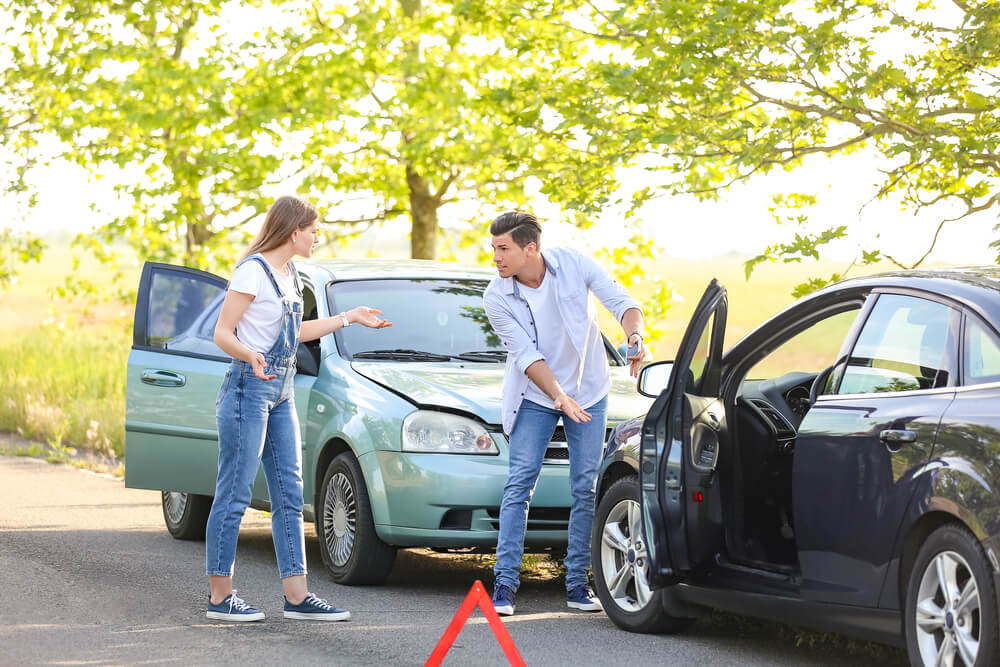
A DUI can be strong evidence of fault, but it does not always mean the impaired driver caused the entire crash. Courts still look at what each driver did.
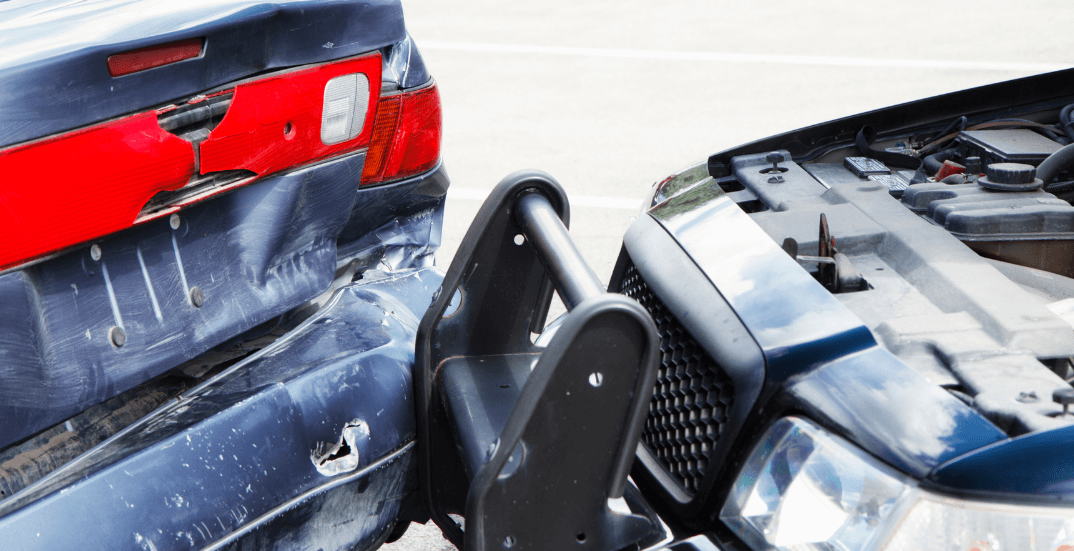
- Rear-end crashes. A sober driver who hits a stopped or slow-moving drunk driver may still share fault, depending on how the crash happened.
- Lane-departure crashes. If the sober driver crossed lanes or drove recklessly, that conduct can shift more of the blame.
- Multi-vehicle crashes. Fault is reviewed driver by driver. One person’s intoxication is important, but it may not explain the whole collision.
The main question is not simply who had been drinking, but whose actions actually caused or contributed to the crash.
Get Your Free Consultation
Civil Fault Versus Criminal Guilt
A DUI conviction can help support a civil claim, but it does not decide who is financially responsible for the crash. Criminal court deals with guilt and penalties. A civil case looks at who caused the harm and how fault should be divided.
That means a driver can be convicted of DUI and still share civil fault with another driver or another party if their actions also contributed to the crash.
When Punitive Damages May Apply
Louisiana usually does not award punitive damages, but drunk-driving cases are an exception. Under La. Civ. Code art. 2315.4, exemplary damages may be available when an intoxicated driver acts with wanton or reckless disregard, and that conduct causes the injuries.
A DUI conviction is not always required. The evidence must show intoxication, reckless conduct, and a connection between that conduct and the harm caused.
These damages are separate from compensation for losses such as medical bills, lost income, and pain and suffering. The amount depends on the facts and evidence in the case.
Evidence That Proves Fault
Drunk-driving claims often come down to the quality of the evidence.
Useful proof may include:
- Police and crash reports
- BAC or other chemical test results
- Witness statements
- Dashcam or traffic-camera footage
- Accident reconstruction findings
Preserving this evidence as early as possible helps. Video can be deleted or overwritten, and witness memories can become less clear with time.
Frequently Asked Questions
Are Drunk Drivers Always Fully Liable for an Accident?
Intoxication is strong evidence, but fault still depends on what caused the crash. Another driver may also share responsibility.
Can a Sober Driver Be Partly at Fault?
Yes. Speeding, an unsafe turn, or another driving mistake can lead to shared fault, even when the other driver was impaired.
Does a DUI Conviction Decide Civil Fault?
No. A conviction can support the claim, but a civil case still looks at whether the driver’s intoxication contributed to the crash and resulting injuries.
Can Punitive Damages Apply in Louisiana?
They may. La. Civ. Code art. 2315.4 allows exemplary damages when an intoxicated driver’s wanton or reckless conduct causes injury.
How Does Comparative Fault Affect the Claim?
Your own actions can affect what you recover. If you share some responsibility for the crash, Louisiana’s comparative fault rules may reduce or, in some cases, prevent recovery.
Get Help After a Drunk-Driving Crash
A drunk-driving crash can raise questions that are not always obvious from the police report alone. Fault may be shared, insurance companies may dispute what happened, and punitive damages may be available in some cases.
Alvendia, Kelly & Demarest Law Firm can review the crash, explain where your claim stands, and help you understand what to do next. Call (504) 200-0000 for a free consultation or contact the firm online.
Reviewed by Michael Finkelstein, Associate at Alvendia, Kelly & Demarest Law Firm.

Categories
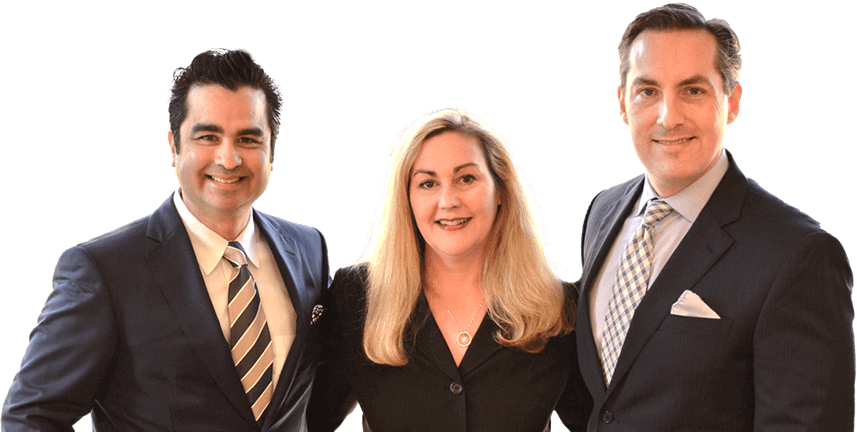
In 2003, after being dissatisfied with the quality of legal care for victims of car accidents, Roderick ‘Rico’ Alvendia sought to establish a new firm focused on providing high-quality legal services to aid injured victims and their families. J. Bart Kelly, sharing Rico’s passion for upholding justice, joined the firm later that year, and established a partnership.