
Partner at AKD Lawyers
Practice Areas: Personal Injury
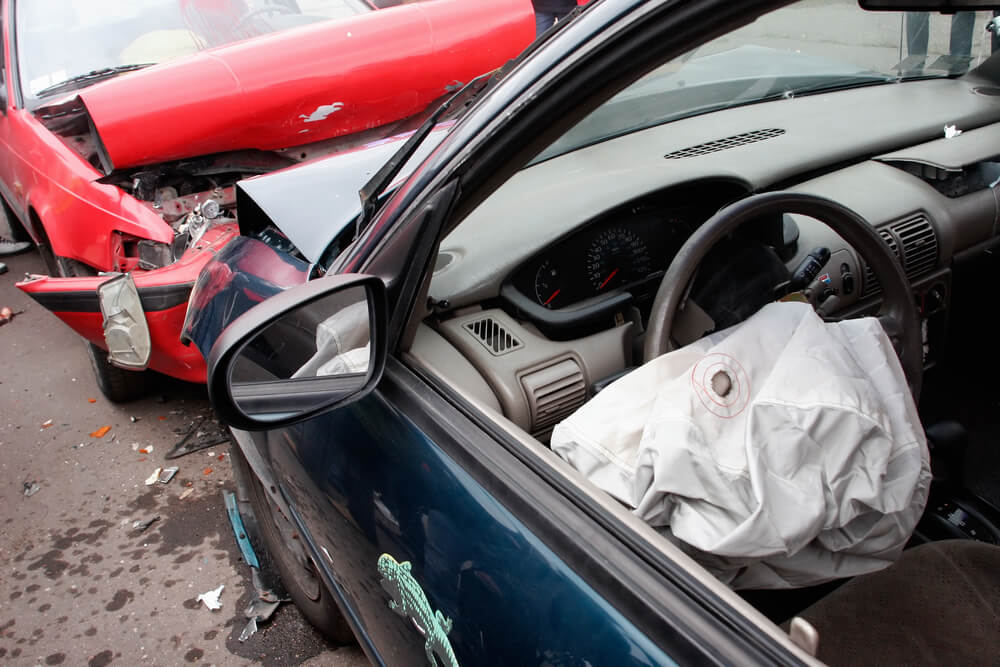
You may be able to sue if your airbag did not deploy in a Louisiana crash, but non-deployment alone does not prove a defect. Airbags do not open in every crash, especially when the angle or force of impact does not trigger the sensors.
These claims usually fall under the Louisiana Products Liability Act. You must show that the airbag or vehicle was unreasonably dangerous.
This guide explains when airbag non-deployment may support a claim, what evidence matters, and why preserving the vehicle quickly can make such a difference.
Airbags Are Not Built To Deploy In Every Collision
Airbags respond to the force, angle, and direction of a crash, not simply to how damaged the vehicle looks. Frontal airbags are generally designed for moderate to severe frontal impacts. A side-impact crash, rear-end collision, or rollover may leave a car badly damaged without triggering the frontal airbags.
That is why non-deployment alone does not prove the system was defective. The real question is whether the airbags and sensors responded as they should have in that specific crash.
NHTSA reports that frontal airbags have saved more than 50,000 lives, but manufacturers still must show that the restraint system worked properly under the conditions of the collision.
What the Louisiana Products Liability Act Requires
Louisiana Revised Statute 9:2800.54 says a manufacturer may be responsible when a dangerous part or feature of a product causes harm during a reasonably expected use.
Driving a passenger vehicle on a public road is normally an expected use. However, major changes, poor repairs, or missing parts may affect the claim.
The LPLA allows four main types of claims:
| What went wrong | LPLA theory | Core evidence |
| Your specific unit was miswired or defective | Construction or composition (9:2800.55) | Module teardown, build and service records |
| Sensor threshold set too high across the model line | Design (9:2800.56) | Crash data, alternative calibration, comparable models |
| Bag deployed late or under-inflated | Design (9:2800.56) | Deployment timing, injury biomechanics |
| Owner’s manual overstated when the bag would fire | Inadequate warning (9:2800.57) | Manual language, marketing materials |
| Advertising promised protection not delivered | Express warranty (9:2800.58) | Brochures, window sticker, ad copy |
You must prove the required parts of the claim. A serious injury does not allow a court to assume that the airbag was defective.
Many strong cases focus on what the sensing system recorded. The issue is not only that the airbag stayed closed. It is whether the system detected a serious impact and made the wrong decision.
The Evidence That Can Decide an Airbag Case
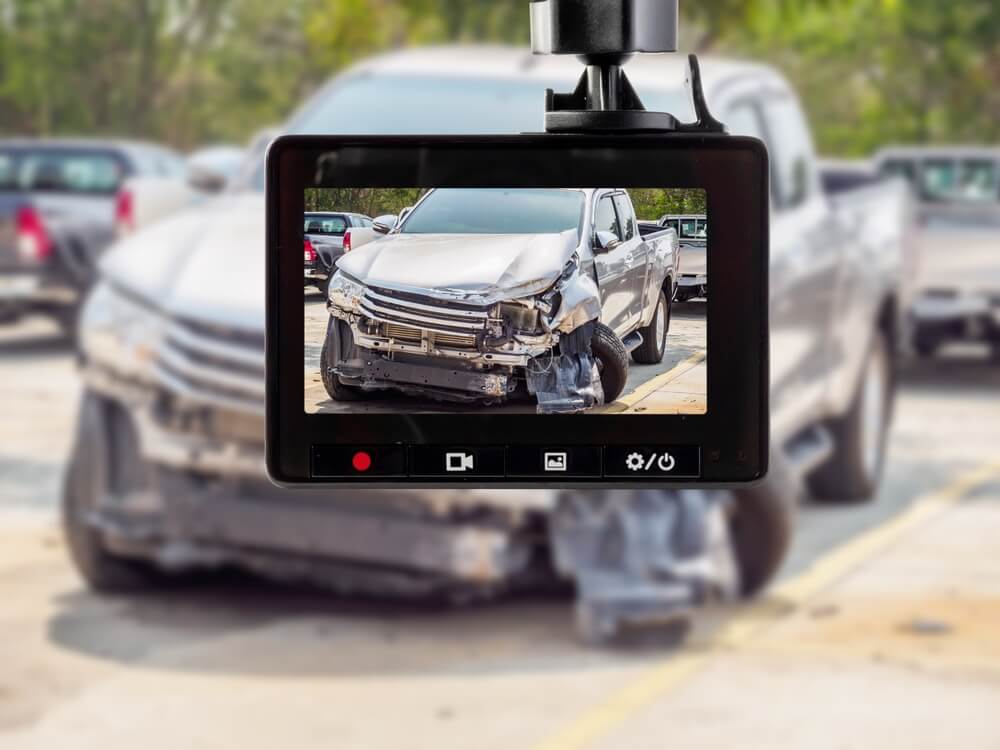
Many newer vehicles have an event data recorder, or black box. It may record speed, braking, seat belt use, the force of impact, and whether the airbag system ordered deployment.
This data can help show whether the crash was strong enough to trigger the airbags or whether the system failed after receiving a deployment command.
The vehicle must be preserved before it is sold, dismantled, or crushed. A preservation letter can ask the insurer, tow yard, and salvage company to keep it available for inspection.
Other useful evidence includes airbag sensors, wiring, seat belts, crash photos, repair records, recall history, and medical records. Acting early can protect evidence that may be difficult or impossible to replace.
Get Your Free Consultation
Louisiana Filing Deadlines Have Changed
Louisiana now gives two years for most delictual actions. Civil Code Article 3493.1 took effect on July 1, 2024.
Injuries that happened before that date may still fall under the former one-year rule. Do not assume you have two years without checking the crash date and the facts of your case.
Louisiana’s fault rule also changed on January 1, 2026. A person found 51% or more at fault cannot recover damages. A person found less than 51% at fault may recover, but the award is reduced by that person’s share of fault.
This matters because a manufacturer may argue that the driver caused the crash. The case may need to separate fault for causing the wreck from fault for making the injuries worse. Our overview of Louisiana’s fault rule explains the threshold.

Frequently Asked Questions
Does an airbag warning light end my case?
An active warning light does not automatically end a claim. Its effect depends on repair records, recalls, and whether the driver ignored it.
Can I sue the dealership or repair shop?
Liability may fall on a dealership or repair shop when poor installation, removal, or repair caused the airbag system to fail.
What if my car was declared a total loss?
The vehicle may still be available for inspection at a tow yard or salvage lot. Once destroyed, important evidence may be lost.
Does an open recall prove the airbag was defective?
A recall can support your claim, but it must relate to your vehicle, the crash, and the injuries you suffered.
What if the airbag deployed late?
Crash data and medical records may show that a late or incomplete deployment failed to protect you and made your injuries worse.
Protect the Evidence Before It Disappears
An airbag that did not deploy may raise serious questions, but the vehicle itself often holds the answers. Crash data, sensors, and damaged parts can help show whether the system worked properly.
That evidence may be lost once the vehicle is sold, dismantled, or crushed. Alvendia, Kelly & Demarest Law Firm can send preservation notices, arrange an inspection, and review whether you may have a claim. The firm handles defective vehicle and product cases across Louisiana and offers free consultations.
Sources


Categories

In 2003, after being dissatisfied with the quality of legal care for victims of car accidents, Roderick ‘Rico’ Alvendia sought to establish a new firm focused on providing high-quality legal services to aid injured victims and their families. J. Bart Kelly, sharing Rico’s passion for upholding justice, joined the firm later that year, and established a partnership.