
Partner at AKD Lawyers
Practice Areas: Personal Injury, Insurance Claims
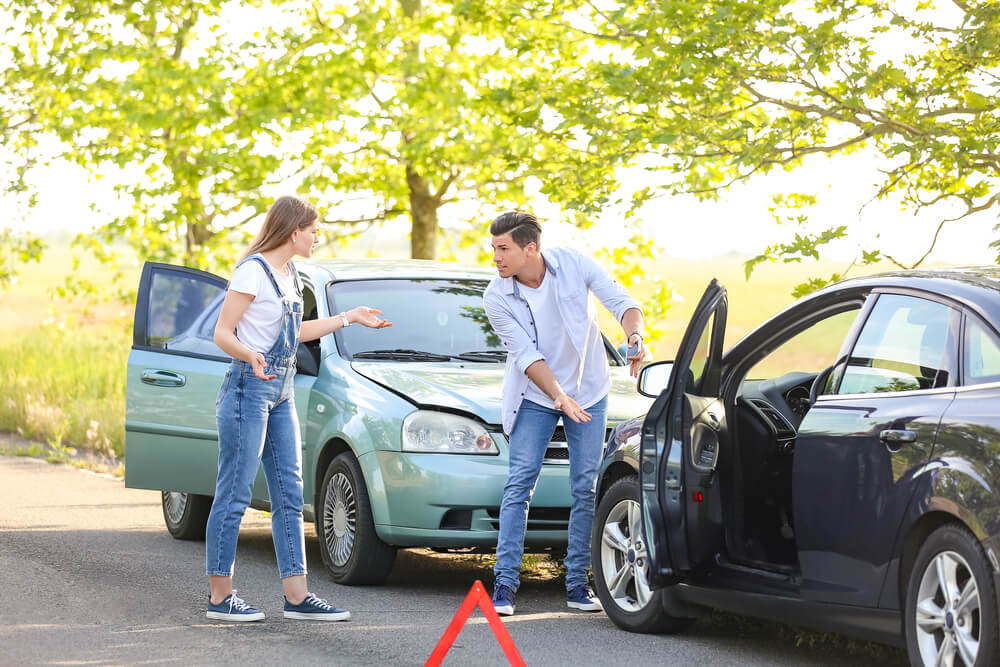
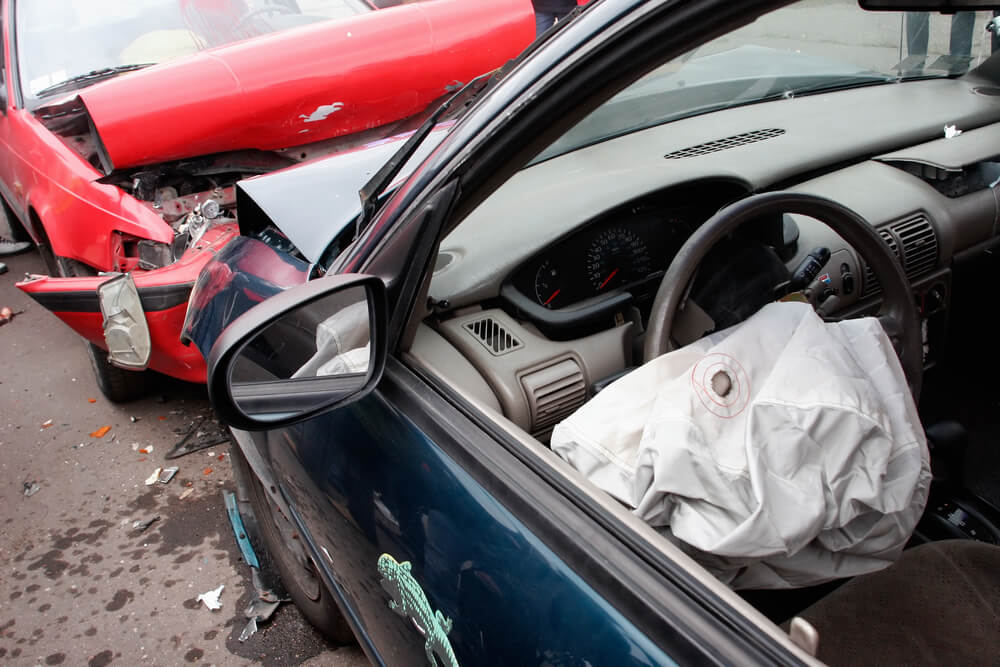
Louisiana has one of the highest uninsured driver rates in the country, so this is not a rare problem. A driver runs a light on Claiborne Avenue, you end up in the emergency room, and the police report comes back with no policy listed. The instinct is to assume there is no money. That is usually wrong, and the reason is a piece of paper you may have signed years ago and never read again.
Your own uninsured motorist coverage is the primary answer. Louisiana law puts UM coverage into every auto policy by default, and it comes out only if a named insured rejected it on a form that meets strict requirements. This guide covers how UM coverage works, how rejection forms are reviewed, and what other options may be available after an uninsured-driver crash.
Louisiana Builds in UM Coverage Unless You Opt Out Correctly
Under R.S. 22:1295 , Louisiana auto policies generally include uninsured motorist coverage. A named insured can reject it, choose lower limits, or select economic-only coverage, but that choice must be recorded on the form approved by the commissioner of insurance. A signed form alone is not always enough.
The Louisiana Supreme Court has identified six requirements for a valid form:
- The insured must initial the selected option.
- Lower limits must be entered when that option is chosen.
- The name of the named insured or legal representative must be printed.
- The form must be signed.
- The policy number must be included.
- The date must be filled in.
Miss one and the presumption collapses. The consequences are not small.
In Berkley Assurance Company v. Willis, 2021-C-01554 (La. 12/9/22), the Louisiana Supreme Court invalidated a UM selection form because the name of the insurer was missing. The insured had selected $30,000 in coverage. The defective form put the full $1,000,000 policy limit in play.
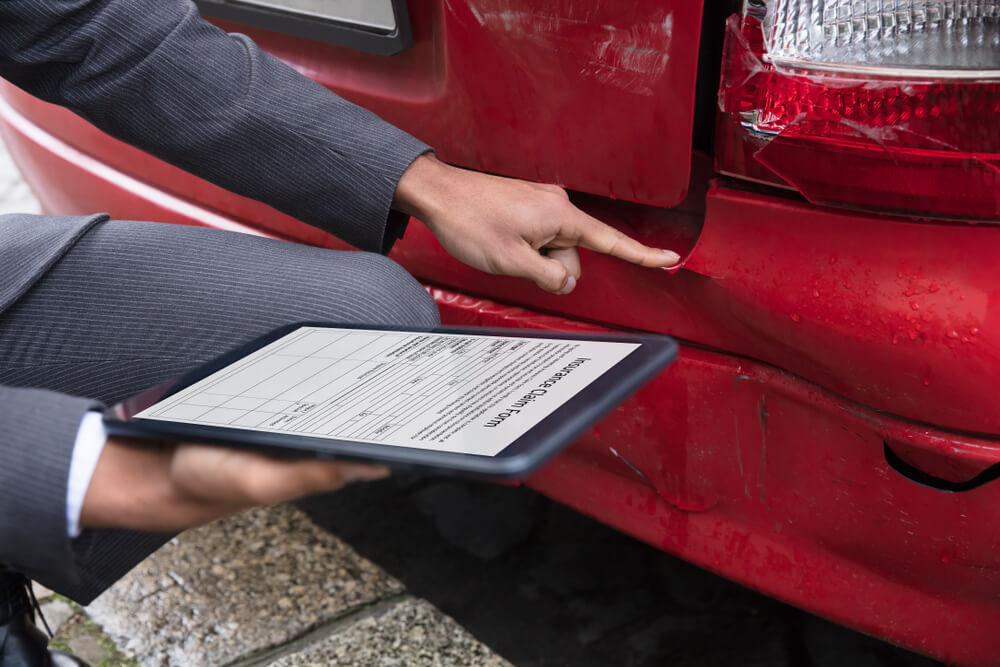
So the first document to pull after an uninsured-driver crash is not the police report. It is the UM selection or rejection form from your own carrier, and the request should be in writing.
Where Else The Money Can Come From
UM is rarely the only place to look, and the analysis runs wider than most people expect.
- Other household policies. Louisiana UM coverage commonly extends to resident relatives. A policy in a parent’s or spouse’s name can respond even when the injured person is not the named insured.
- The vehicle you were in. If you were a passenger, the host vehicle’s UM coverage is in play alongside your own.
- An employer’s policy. If either driver was working at the time, a commercial auto or non-owned auto policy may apply, and those limits are usually far higher.
- The driver personally. Legally available, though a driver carrying no insurance often has nothing collectible. An asset check answers this early.
- A third party. A negligent road design, a defective vehicle component, or a bar that is overserved can each create a separate claim.
|
Source |
When it applies |
Practical note |
| Your UM coverage | Almost always, unless validly rejected | Request the rejection form in writing |
| Resident relative’s UM | You live in the household | Check every policy at the address |
| Host vehicle UM | You were a passenger | Applies alongside your own coverage |
| Employer policy | Either driver was on the clock | Highest limits in most cases |
| At-fault driver personally | Always available in theory | Rarely collectible without assets |
| Med-pay | If purchased | Pays early bills regardless of fault |
Get Your Free Consultation
The Flip Side: If You Were The Uninsured One
The statute changes shape when the person without coverage is you, and it changed sharply last year. Louisiana’s No Pay, No Play law , R.S. 32:866 , bars an uninsured owner or operator from recovering the first layer of damages even when the other driver was entirely at fault.
Act 16 of the 2025 Regular Session raised that layer from $15,000 for bodily injury and $25,000 for property damage to $100,000 for each, effective August 1, 2025.
The statute goes further. If an uninsured owner sues and recovers $100,000 or less in bodily injury damages, that owner is assessed and held liable for all court costs incurred by every party to the action. The limitation is an affirmative defense, so the at-fault side has to raise it rather than receiving it automatically.
Narrow exceptions are recognized, including where the at-fault driver was intoxicated, intentionally caused the crash, fled the scene, or was committing a felony. Our page on the Louisiana No Pay, No Play law covers how the defense gets argued.
Deadlines and Fault Rules That Apply Either Way
For most claims arising on or after July 1, 2024, Civil Code article 3493.1 gives you two years to file. Older injuries generally remain under the former one-year deadline.
Louisiana’s fault rule also changed on January 1, 2026. Under Acts 2025, No. 15, recovery is barred at 51% fault or more. Below that, the award is reduced by your percentage.
So a $180,000 claim becomes $135,000 at 25% fault, but drops to zero at 51%. A UM insurer will use the same calculation.
Frequently Asked Questions
Will making a UM claim raise my rates?
Claiming under coverage you paid premiums for is not the same as an at-fault loss. Carriers rate differently, so put the question to your agent directly.
The declarations page says I have no UM coverage. Is that the end of it?
No. The declarations page reflects what the carrier recorded, not whether the rejection was legally valid. The form itself is what matters, and defective forms are found regularly.
Do I have to sue the uninsured driver before claiming UM?
Not necessarily, though your policy may impose notice and consent conditions. Read those requirements before settling or releasing anyone.
What if the driver fled and was never identified?
A hit-and-run driver is generally treated as uninsured for UM purposes, subject to the policy’s reporting requirements, which is another reason to report the crash promptly.
Conclusion
An uninsured driver may remove one source of payment, but it does not always end the claim. Louisiana generally includes UM coverage in auto policies, and a rejection may fail if any required part of the form is missing.
Coverage may also apply through a resident relative’s policy or the vehicle you were riding in. Before accepting a denial, ask for the UM rejection form and review it closely.
If the driver who hit you had no coverage, Alvendia, Kelly & Demarest can request the UM documentation and review every policy that might respond. The firm handles New Orleans car accident claims , and consultations are free.
Sources
- Louisiana State Legislature – R.S. 22:1295, Uninsured motorist coverage
- Justia – La. R.S. 32:866, Compulsory motor vehicle liability security; limitation of damages
- Louisiana State Legislature – HB 434 (2025), No Pay No Play amendment
- Justia – Louisiana Civil Code art. 3493.1, Delictual actions; two-year prescription


Categories

In 2003, after being dissatisfied with the quality of legal care for victims of car accidents, Roderick ‘Rico’ Alvendia sought to establish a new firm focused on providing high-quality legal services to aid injured victims and their families. J. Bart Kelly, sharing Rico’s passion for upholding justice, joined the firm later that year, and established a partnership.