
Partner at AKD Lawyers
Practice Areas: Personal Injury, Insurance Claims
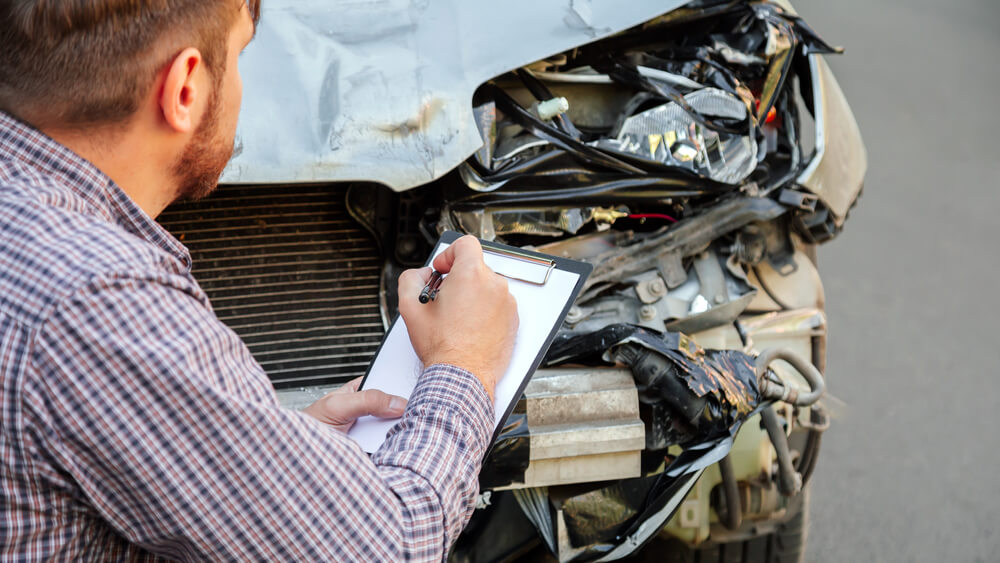
Louisiana has a new rule for shared fault in car accident cases. For crashes covered by the law that took effect January 1, 2026, you can lose your right to recover damages if you are found 51% or more responsible for the accident.
That makes the fault percentage much more important than it used to be. A local New Orleans car accident lawyer can look at the facts of your crash and explain where you stand.
What Changed In 2026
Louisiana used to follow pure comparative fault. Your compensation went down as your share of fault went up, but you could still recover something even if you were mostly to blame.
That is no longer the rule for claims arising on or after January 1, 2026. If you are 30% at fault, you can recover the other 70% of your damages. At 51% fault, you generally cannot recover anything.
Crashes that fall under the old law are still handled under the previous pure comparative fault system.
How The 51% Bar Works Now
The new version of Civil Code article 2323 draws the line at 51%. If you are less than 51% at fault, your damages are reduced by your percentage of fault. At 51% or more, you cannot recover damages.
The statute puts it plainly:
“If the degree or percentage of negligence attributable to the person suffering injury, death, or loss is equal to or greater than fifty-one percent, then the person suffering injury, death, or loss shall not be entitled to recover damages.” — La. Civ. Code art. 2323(A)(2)(a)
For a $100,000 claim, 20% fault leaves $80,000. At 49% fault, it leaves $51,000. At 51%, there is no recovery.
The change also affects what juries are told when they decide fault. The percentage they assign to the injured person can now determine whether that person receives anything at all.

Why Close-Call Crashes Matter Most
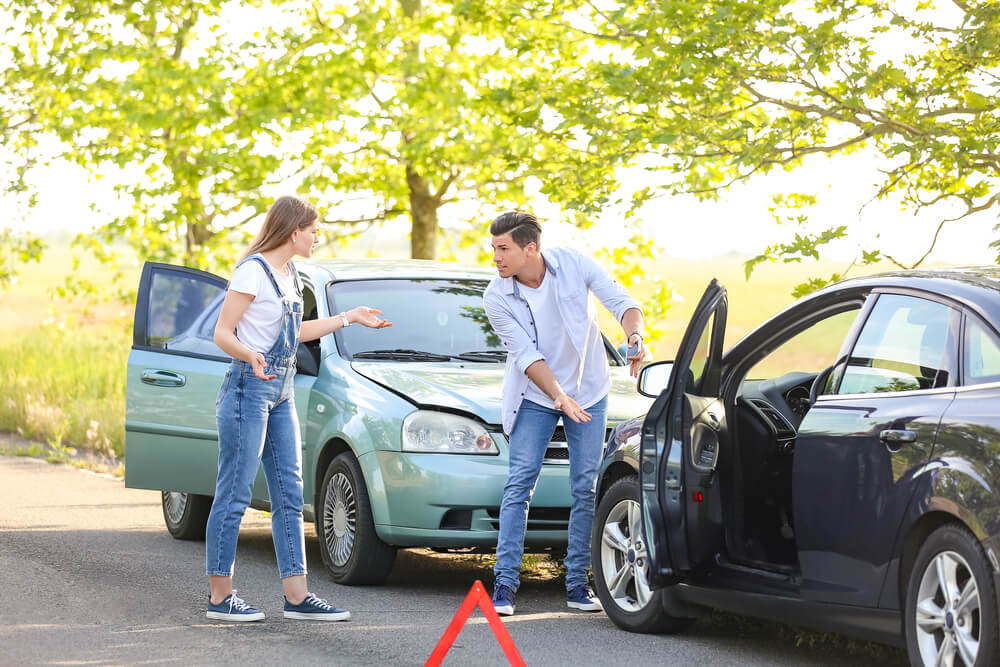
The 51% rule matters most when fault is not obvious. A few percentage points can change the amount you recover, or whether you recover anything at all.
That can happen in:
- Rear-end collisions where the drivers disagree about why the vehicle stopped.
- Left-turn crashes where speed or right-of-way is disputed.
- Multi-vehicle crashes where more than one driver may be at fault.
- Lane-change accidents involving blind spots or missed signals.
- Pedestrian crashes where the facts about the crossing or driver’s attention are disputed.
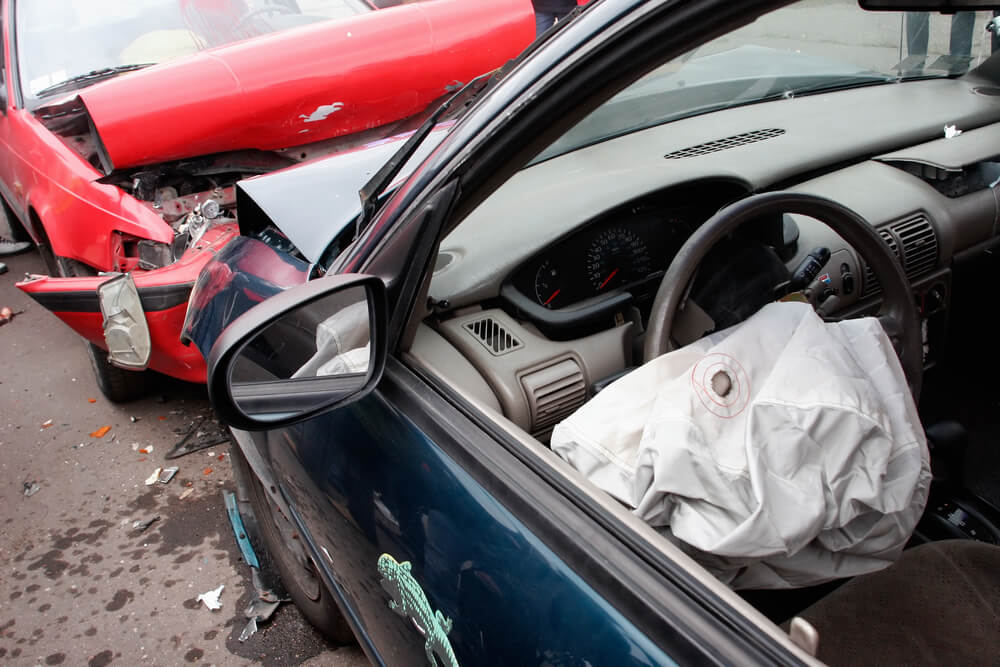
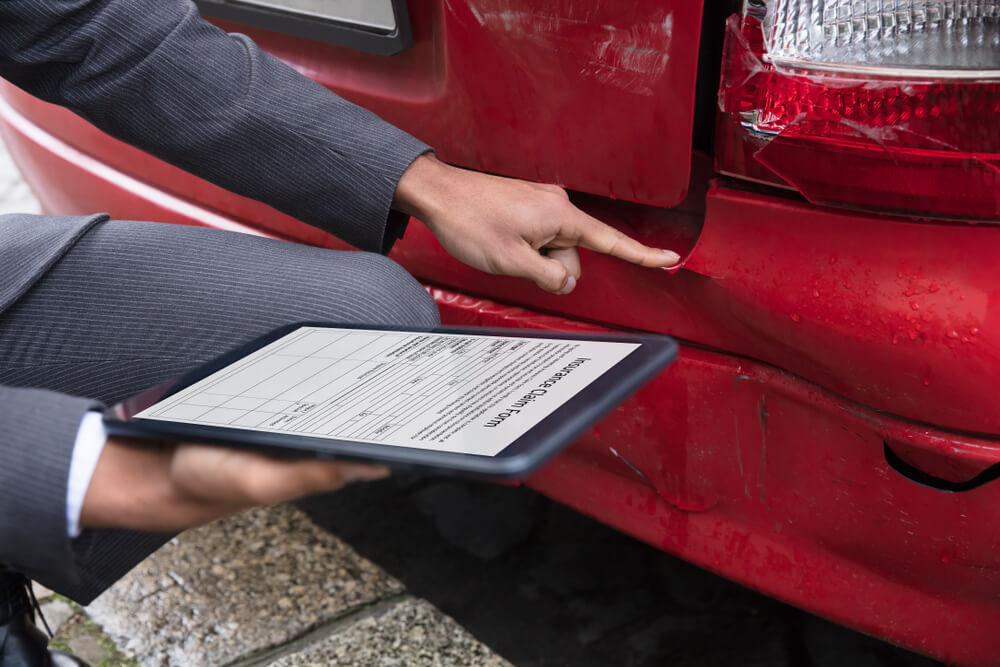
In a close case , the evidence can make a difference. Photos , witness accounts , video , police reports , and vehicle damage can all help show what actually happened.
Get Your Free Consultation
Before Vs. After At A Glance
| Factor | Before (1980–2025) | After (Jan 1, 2026 onward) |
|---|---|---|
| Rule type | Pure comparative fault | Modified comparative fault, 51% bar |
| Recovery at 99% plaintiff fault | 1% of damages | $0 |
| Recovery at 60% plaintiff fault | 40% of damages | $0 |
| Recovery at 40% plaintiff fault | 60% of damages | 60% of damages |
| Governing statute | Art. 2323 (pre-HB 431) | Art. 2323 (as amended by Act 15 of 2025) |

Frequently Asked Questions
Does the 51% rule apply if my crash was before January 1, 2026?
No. The new rule applies to causes of action arising on or after January 1, 2026. Earlier crashes remain under Louisiana’s pure comparative fault rule.
If I’m found exactly 50% at fault, can I still recover?
Yes. The cutoff starts at 51%. At 50% fault, you can generally recover 50% of your damages.
How does the rule work in a multi-vehicle crash?
Fault can be divided among several drivers. Your final percentage depends on the facts and evidence in the case.
How long do I have to file my claim?
For a crash on or after July 1, 2024, the general deadline is two years under Act 423 of 2024.
What counts as being at fault?
It comes down to what you did and how it contributed to the crash. Things like speeding, following too closely, or failing to yield can affect your share of fault.
Talk to a New Orleans Car Accident Lawyer
The 51% rule makes fault more important than it was before 2026. If the other driver is also blaming you for the crash, getting the facts documented early can matter.
Alvendia, Kelly & Demarest can review your accident and explain how Louisiana’s current rule may affect your claim. Call (504) 200-0000 for a free consultation. No fee unless we win. Reach out today.
Reviewed by J. Bart Kelly, III, Partner at Alvendia, Kelly & Demarest Law Firm.
Sources


Categories
In 2003, after being dissatisfied with the quality of legal care for victims of car accidents, Roderick ‘Rico’ Alvendia sought to establish a new firm focused on providing high-quality legal services to aid injured victims and their families. J. Bart Kelly, sharing Rico’s passion for upholding justice, joined the firm later that year, and established a partnership.