
Partner at AKD Lawyers
Practice Areas: Personal Injury, Insurance Claims
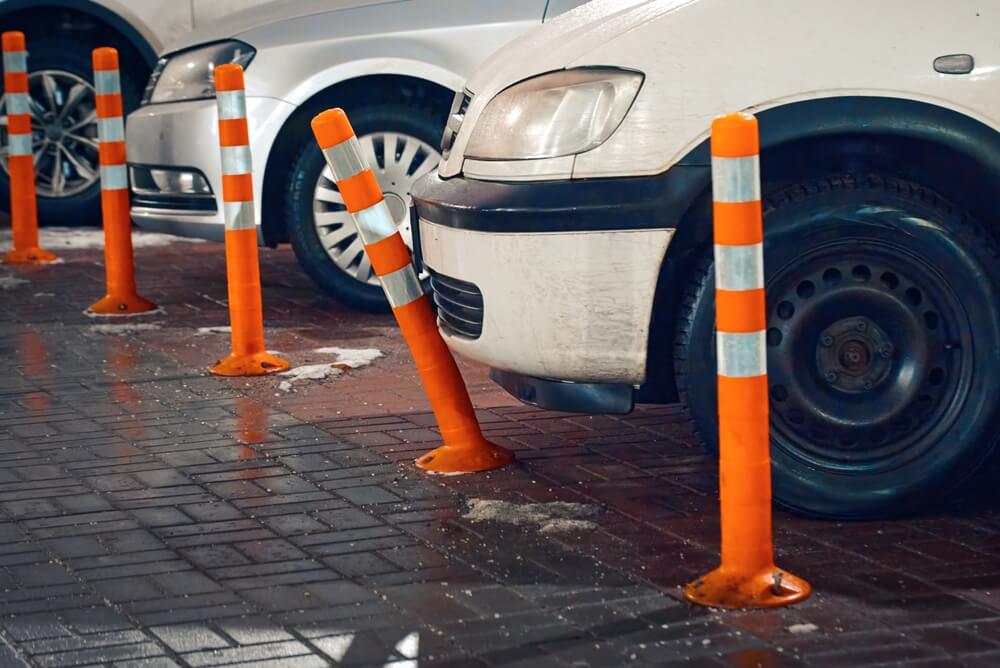
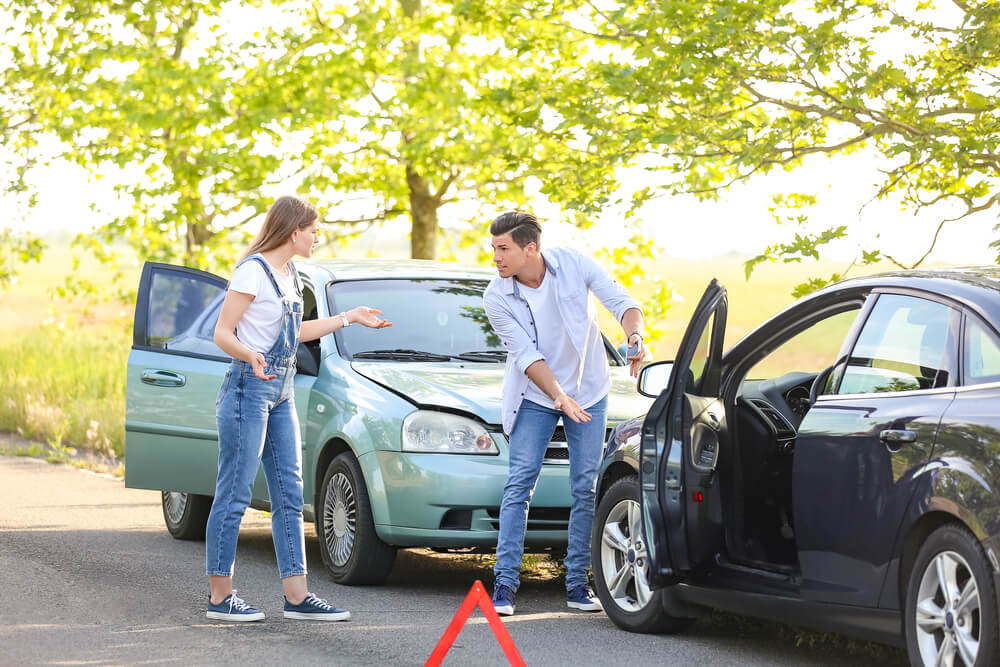
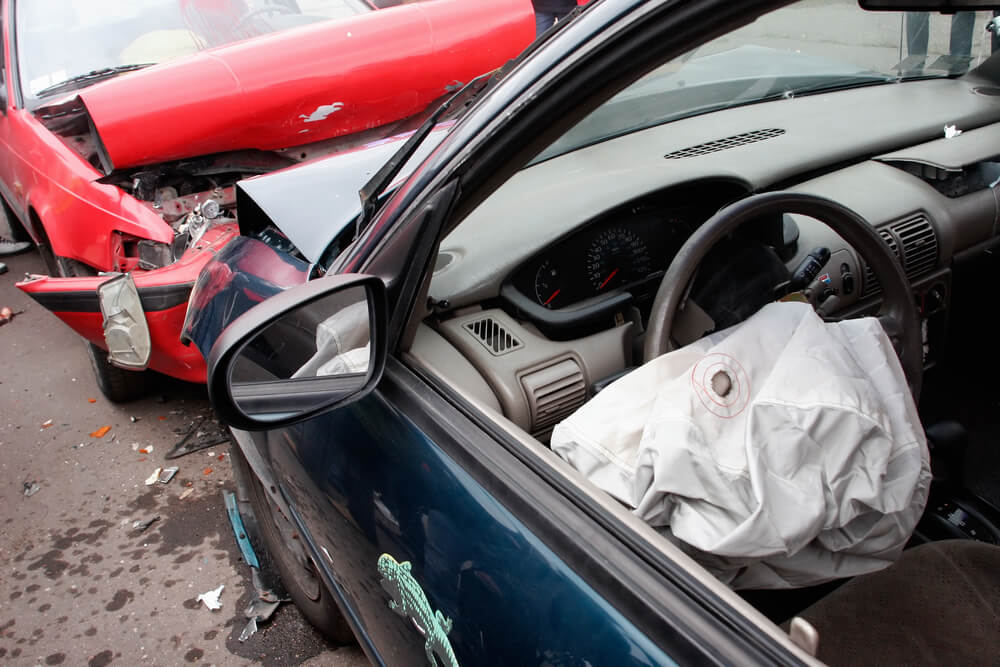
Parking lot and parking garage accidents are more common than many people realize. Even at low speeds, these crashes can cause injuries, damage vehicles, and lead to disagreements over who was at fault. Because they often happen on private property, proving what happened is not always as straightforward as it is after a crash on a public road.
Even so, drivers still have a duty to use reasonable care in parking lots and garages. Liability depends on the facts of the accident, including each driver’s conduct and the available evidence. For help with a specific situation, a New Orleans auto accident lawyer can review the evidence, but the guide below covers what most drivers need to know.
Why Parking Lots Produce So Many Crashes
Parking lots and garages create situations that drivers do not encounter on most roads. Vehicles are constantly pulling in and out of spaces, backing up, and sharing the area with pedestrians, all within a limited amount of space.
Common parking lot accidents include:
- Two drivers are backing out at the same time.
- Sideswipe collisions in narrow lanes.
- A driver hits a parked vehicle.
- Accidents involving pedestrians walking through the lot.
Many of these crashes occur due to limited visibility, blind spots, distracted driving, or confusion over who has the right of way. While parking lot collisions often occur at low speeds, they can still cause injuries and costly damage.
Who Is At Fault In A Louisiana Parking Lot Accident?
Fault is not always clear in a parking lot, but the same negligence rules that apply on public roads also apply on private property. In many cases, more than one driver may share responsibility.
For crashes on or after January 1, 2026, Louisiana follows a modified comparative fault rule. If you are partly at fault, your compensation may be reduced. If you are 51% or more at fault, you cannot recover damages. Earlier crashes are governed by the state’s previous comparative fault rule.
Some common right-of-way rules include:
- Drivers in the main travel lane generally have the right of way over vehicles backing out of parking spaces.
- Drivers should yield to pedestrians in crosswalks and other areas where people are expected to walk.
- When two vehicles back out at the same time, both drivers may share fault.
- A driver who opens a vehicle door into the path of another vehicle may be responsible for the collision.
Leaving the scene of a parking lot accident without stopping to exchange information can also lead to legal consequences, even if the crash happened on private property.

Parking Lot Laws Louisiana Drivers Should Know
These crashes usually happen on private property, and police may decline to write a report. That does not put you outside the law. Keep a few points in mind:
- A private-property crash may still require reporting if it involves injuries or significant property damage.
- Insurers still investigate using photos, statements, and physical evidence.
- The same duties apply, including keeping a proper lookout and yielding when appropriate.
- Louisiana’s two-year prescriptive period applies to parking-lot and garage injury claims for crashes on or after July 1, 2024 (La. Civ. Code art. 3493.11), replacing the old one-year deadline.
Because there is often no official report, the evidence you gather at the scene does the heavy lifting.
Evidence That Builds A Strong Parking Lot Claim
Parking lot accidents often come down to the available evidence, especially when there are no independent witnesses. The more information you collect, the easier it is to show how the crash happened.
Helpful evidence may include:
- Photos of the vehicles, parking spaces, lane markings, signs, and the surrounding area.
- Surveillance or dashcam footage.
- Witness statements.
- Property owner or store incident reports.
- Medical records linking your injuries to the accident.
If the accident happened near a business or inside a parking garage, ask about surveillance footage as soon as possible. Many systems automatically delete recordings after a short period, so waiting too long could result in the loss of important evidence.
How Insurers Handle Parking Lot Claims
Insurance companies do not automatically assume that a parking lot accident is minor. They review the facts to determine who was at fault and whether the claimed damages match the actual damages.
When evaluating a claim, they may consider:
- Whether one or both vehicles were moving.
- Which driver had the right of way?
- The location and extent of the vehicle damage.
- Statements from the drivers and any witnesses.
- Photos, surveillance footage, or dashcam video.
If the other driver leaves the scene or the parking lot has poor lighting, missing signs, or other unsafe conditions, additional issues may affect the claim. Because these cases often depend on photos, video, and other evidence, it may take time to determine liability.
Steps To Take After A Parking Lot Or Garage Crash
What you do right after the collision preserves evidence and supports your claim:
- Photograph both vehicles, lane markings, signs, and the area.
- Ask the store or garage security to save the camera footage.
- Exchange information and note the exact location
- Get a medical evaluation, since symptoms may surface hours later.
- Report the incident to your insurer promptly.
If questions arise about responsibility or the evidence, a New Orleans personal injury lawyer can explain your options under Louisiana law.
Common Scenarios And How Fault Is Evaluated
| Scenario | How fault is usually evaluated | Key Louisiana principle |
|---|---|---|
| Two vehicles backing out | Often shared based on awareness and timing | Comparative fault |
| Car reversing into a moving vehicle | Reversing driver typically responsible | Duty to yield while reversing |
| Hit-and-run in a lot | Striking driver at fault once identified | Failure to stop and provide information |
| Pedestrian in a crosswalk | Driver must yield | Duty of care to pedestrians |
| Collision while parking | Moving vehicle often at fault | Right of way in through lanes |
| Door opening into passing car | Person opening the door may be responsible | Duty to check surroundings |
Frequently Asked Questions
What if the police will not write a report for a parking lot accident?
Police do not always respond to parking lot accidents, especially if there are no injuries. If that happens, take photos, exchange information with the other driver, speak with any witnesses, and report the accident to your insurance company.
How is fault decided when two vehicles reverse at the same time?
It depends on the facts. Insurance companies will look at how each driver was backing up, whether either driver failed to keep a proper lookout, and the available evidence. In some cases, both drivers may share fault.
Can garage surveillance footage help my claim?
Security cameras or dashcams can provide valuable evidence, especially when drivers disagree about how the accident occurred. If you think video footage exists, try to request it as soon as possible.
Do I need to report a minor parking lot accident to my insurer?
Most policies require it, and reporting protects you if the other driver later files a claim or reports new damage.
Can low-speed parking lot crashes really cause injuries?
Yes. Even a low-speed collision can result in injuries, including strains, sprains, and other soft-tissue injuries. If you experience pain after the accident, seek medical attention as soon as possible.
Get Your Free Consultation
Protect Your Rights After a Parking Lot Accident
Parking lots and garage crashes look simple, but they can get complicated quickly, especially when there is no police report and the other driver disputes fault. If you were hurt in a New Orleans lot or garage, Alvendia, Kelly & Demarest can help you sort out the evidence and your options.
Call (504) 200-0000 for a free consultation. There is no fee unless we win. Reach out today.

Categories
In 2003, after being dissatisfied with the quality of legal care for victims of car accidents, Roderick ‘Rico’ Alvendia sought to establish a new firm focused on providing high-quality legal services to aid injured victims and their families. J. Bart Kelly, sharing Rico’s passion for upholding justice, joined the firm later that year, and established a partnership.