
Partner at AKD Lawyers
Practice Areas: Personal Injury

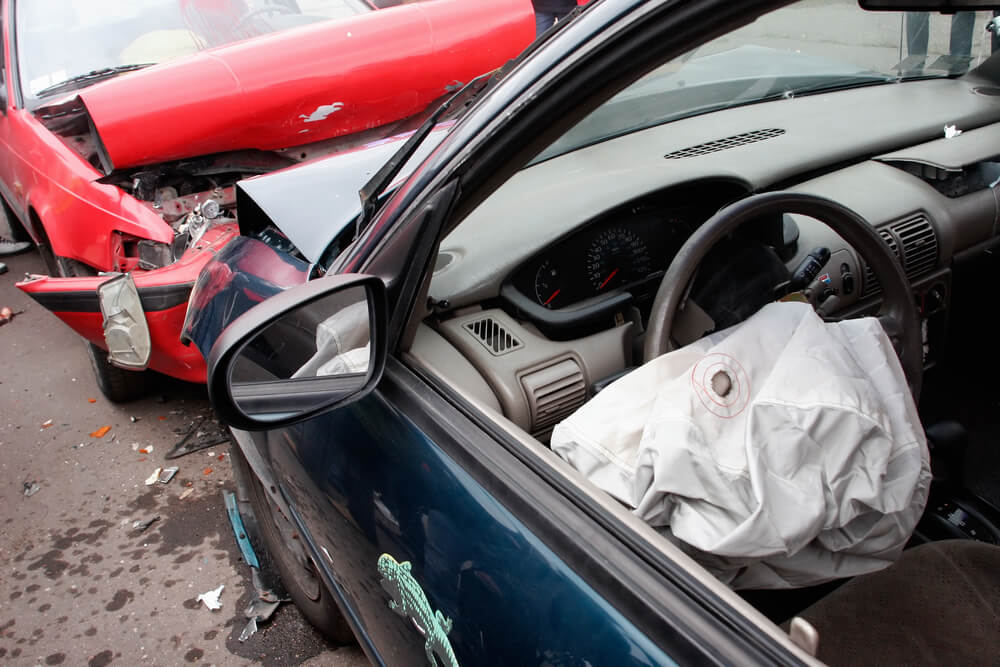
A crash takes only seconds, but the injuries can last weeks, months, or years. Whether it is a minor fender-bender or a major collision, injuries are among the most common outcomes, and many Louisiana drivers feel pain, confusion, or delayed symptoms long after the crash. Knowing what to watch for and how these injuries develop helps you stay safe and protect your health.
If you were hurt in a collision, get checked by a doctor and understand your rights. A New Orleans vehicle collision lawyer can walk you through the claims process, but this guide focuses on the medical and safety side of recovery.
The Science Behind Crash Injuries
A crash puts the body through intense forces. The direction, speed, and impact point usually decide how severe the injuries are, and the faster the vehicle, the more energy transfers to the body.
Even with seat belts and airbags, the body moves violently within milliseconds. Muscles, bones, and organs are not built for that stress, so a sudden jolt can stretch, compress, or twist body parts and cause hidden injuries that do not appear right away.
According to the NHTSA, seat belts cut the risk of serious injury and death in a crash by roughly half, which is exactly why they matter.
Common Types of Injuries
No two crashes are exactly alike, but some injuries are seen more often than others.
Soft Tissue Injuries
These injuries affect the muscles, tendons, and ligaments, often in the neck, shoulders, or back. Whiplash is a common example. It happens when the neck moves sharply forward and backward during impact.
Symptoms may not start right away. Pain, stiffness, swelling, or headaches can appear a day or two after the crash.
Head and Brain Injuries
A crash can cause the brain to move inside the skull, even when the impact seems minor. This may lead to a concussion or another traumatic brain injury.
Symptoms can include headaches, confusion, memory problems, nausea, or dizziness. More serious injuries may cause bleeding, swelling, or lasting problems with thinking and concentration.
Chest and Abdominal Injuries
The chest or stomach may strike the steering wheel, dashboard, or seat belt during a crash. This can cause bruised ribs, fractures, or damage to internal organs.
Pain while breathing, shortness of breath, or severe abdominal pain should not be ignored. These symptoms may point to internal trauma that needs urgent care.
Arm and Leg Injuries
Arms and legs may hit the door, dashboard, or another hard surface. Broken bones, joint injuries, deep bruises, and nerve damage are common.
Side-impact crashes can be especially hard on the limbs. Early treatment may help reduce stiffness and other lasting problems.

Back and Spinal Injuries
Back injuries can range from muscle strains to herniated discs or nerve damage. Tingling, numbness, weakness, and ongoing pain may all be signs of a spinal injury.
Doctors may use an MRI or CT scan to see the full extent of the damage. The injuries common in a rear-end crash often fall into this category.
Hidden and Delayed Injuries
Some injuries do not appear at the scene. Adrenaline can dull pain and make a person feel better than they really are.
Watch for symptoms such as:
- Headaches, dizziness, or nausea that do not go away
- Neck, back, or stomach pain that starts later
- New swelling, weakness, or confusion
Internal bleeding, organ damage, and head injuries can become serious over time. Seek medical care if new symptoms appear.
Get Your Free Consultation
Why a Medical Evaluation Matters
Even a minor crash can cause injuries that are hard to spot without testing. A doctor may order X-rays, a CT scan, or an MRI to look for fractures or internal damage.
Early care protects your health and creates a record of your symptoms. Waiting too long may make treatment harder and give an insurer a reason to question whether the crash caused the injury.

Prevention and Recovery
A few basic steps may reduce the risk of injury:
- Wear a seat belt and make sure every passenger does the same
- Keep airbags and other safety systems in working order
- Position the headrest correctly to support the neck
Recovery depends on the injury. Bruises may improve within a week or two, while fractures and spinal injuries may take much longer. Rest, follow-up visits, and physical therapy can all play a part in healing.
| Injury type | Typical symptoms | Average recovery | Notes |
|---|---|---|---|
| Whiplash / soft tissue | Neck stiffness, soreness | 1–3 weeks | May need physical therapy |
| Concussion / head trauma | Dizziness, headaches, confusion | 2–8 weeks | Imaging recommended |
| Chest / rib injuries | Pain breathing, bruising | 3–6 weeks | Watch for internal bleeding |
| Fractures (arms/legs) | Swelling, immobility | 6–10 weeks | May need casting or surgery |
| Spinal / back injuries | Numbness, chronic pain | Varies | Needs scans and therapy |
Frequently Asked Questions
What are the most common car accident injuries?
Soft-tissue injuries, whiplash, concussions, and fractures are the most frequently reported after crashes.
How soon should I see a doctor after a crash?
Ideally within 24 hours, since some serious injuries cause no pain or symptoms right away.
Can minor crashes still cause serious injuries?
Yes. Even low-speed impacts can cause whiplash, back strain, or soft-tissue injuries that take weeks to heal.
What delayed symptoms should I watch for?
Headaches, dizziness, nausea, or back pain appearing hours or days after a crash are warning signs.
How long does recovery take?
Minor bruises heal quickly, while severe injuries can take weeks or months depending on treatment.
Talk to a New Orleans Car Accident Lawyer
Your health comes first, and prompt care also protects your options if someone else caused the crash. If you were injured in a collision in Louisiana, Alvendia, Kelly & Demarest can explain your rights and help protect them.
Call (504) 200-0000 for a free consultation. There is no fee unless we win. Reach out today. Reviewed by Roderick “Rico” Alvendia, Partner at Alvendia, Kelly & Demarest Law Firm.


Categories

In 2003, after being dissatisfied with the quality of legal care for victims of car accidents, Roderick ‘Rico’ Alvendia sought to establish a new firm focused on providing high-quality legal services to aid injured victims and their families. J. Bart Kelly, sharing Rico’s passion for upholding justice, joined the firm later that year, and established a partnership.