
Associate at AKD Lawyers
Practice Areas: Personal Injury, Workers Compensation
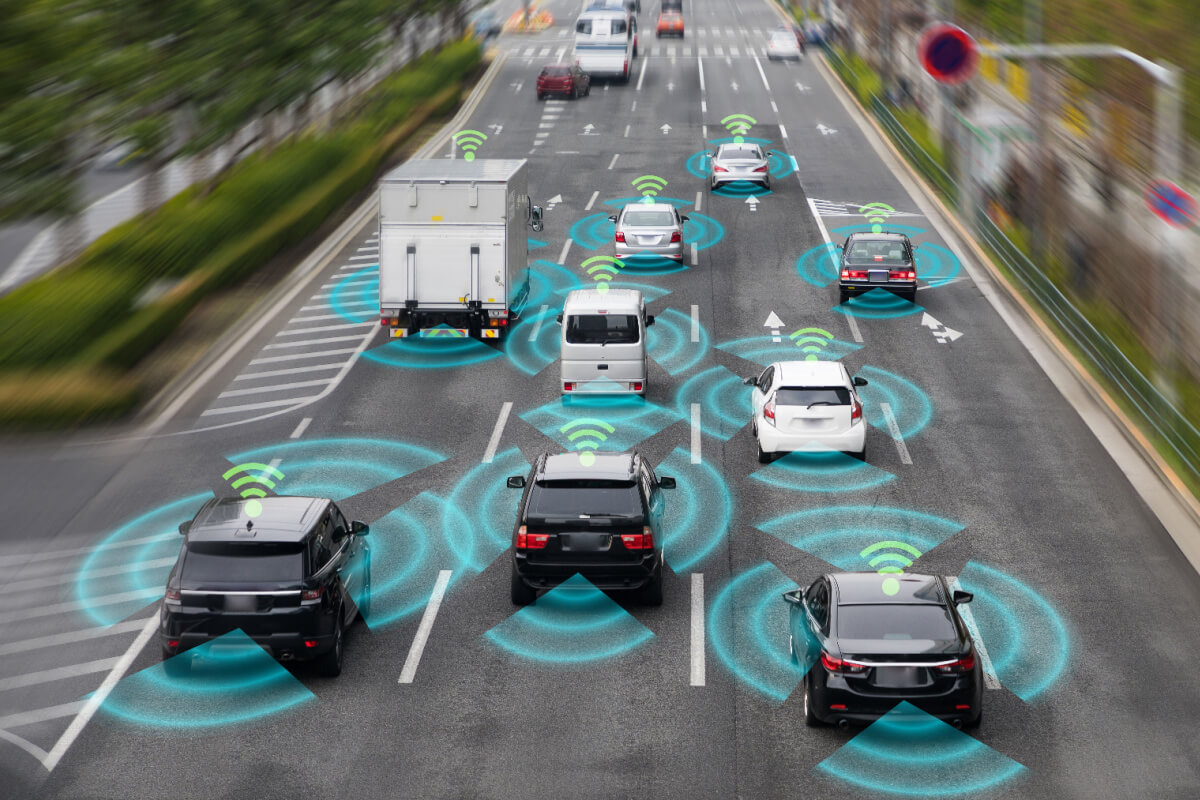
Self-driving cars are no longer a future idea. With companies like Tesla, Waymo, and GM putting the technology on the road, driverless and semi-autonomous vehicles are becoming part of daily life. That raises a hard question: who is responsible when an autonomous vehicle causes a crash?
This guide breaks down how liability works in an autonomous vehicle accident, how the laws are evolving, and what Louisiana drivers should know. For a broader look at how this technology is changing injury law overall, see our guide on how autonomous vehicles are reshaping injury law. And after any crash, a New Orleans car accident lawyer near me search will connect you with someone who can apply Louisiana law to your facts.
Why Self-Driving Cars Complicate Fault
In most crashes, the focus is on what the driver did. That becomes harder with an autonomous vehicle because the person and the technology may both play a role.
Self-driving cars use cameras, sensors, and software to read the road and respond within seconds. After a crash, investigators must work out whether the cause was driver error, faulty programming, or a failed part.
The vehicle’s level of automation also matters. There are six recognized levels, starting with Level 0, where the driver controls everything, and ending with Level 5, where no driver is needed.
As the vehicle takes on more control, some responsibility may move from the person behind the wheel to the manufacturer or software company. The key issue is who, or what, controlled the vehicle when the crash happened.

Who Can Be Held Liable?
More than one party may share responsibility:
- Vehicle manufacturers may be liable when faulty brakes, sensors, or other defective parts contribute to the crash.
- Software developers may share fault if a coding problem causes the vehicle to misread a hazard or respond too late.
- Owners and operators may be responsible if they ignore software updates, fail to maintain the vehicle, or do not take control when required.
- Fleet operators and third parties may be liable for poor maintenance or problems with mapping, monitoring, or sensor systems.
Courts may review both human actions and technical failures before deciding how fault should be divided.
What the Laws Say
Autonomous vehicle law is still taking shape. No single federal law decides liability in every self-driving crash. The NHTSA has issued voluntary safety guidance, but those standards do not decide who is legally at fault.
Louisiana has adopted rules for autonomous vehicles. Under La. R.S. 32:400.1 and the sections that follow, these vehicles must meet state safety and registration requirements. A designated operator must also be able to take control when required.
Louisiana’s comparative fault rule under La. Civ. Code art. 2323 also applies. For crashes on or after January 1, 2026, compensation is reduced by the injured person’s share of fault. Recovery is barred when that person is 51% or more responsible.
Early Cases and What They Show
Two fatal crashes in 2018 brought national attention to these issues.
In one case, a Tesla using Autopilot struck a highway divider. The family blamed the vehicle’s software, while Tesla pointed to the driver’s lack of attention.
In another, an Uber test vehicle struck and killed a pedestrian in Arizona. Investigators found that the safety driver was distracted and that the automated system failed to respond in time.
Both incidents showed that fault may be shared between a person and the vehicle’s technology. They also showed that driver supervision still matters. Louisiana has not yet handled a similar case, but its courts would likely rely on existing negligence and product-liability rules.
Get Your Free Consultation
Evidence in an AV claim
Investigating these crashes is far more technical than a typical fender-bender, because the vehicle logs detailed records of its actions. Key evidence includes:
- Event data recorders logging speed, distance, and system reactions.
- Video from onboard cameras.
- Sensor and radar data showing how the car perceived its surroundings.
Interpreting these records usually requires engineers and data experts, and accessing them can be hard when a manufacturer claims its software is proprietary.
| Aspect | Traditional crash | Autonomous vehicle crash |
|---|---|---|
| Primary responsible party | Human driver | Manufacturer, software developer, or owner |
| Type of fault | Human error | System or programming failure |
| Evidence | Eyewitness , police report | Sensor logs, data recorders |
| Legal framework | Negligence | Product + negligence law |
| Precedent | Well established | Limited, developing |

What drivers should you keep in mind?
Autonomous features promise convenience and safety, but they bring new responsibilities. Stay attentive even when automation is on, keep your vehicle’s software updated, and understand what level of automation your car uses and when you may need to take over.
As the technology advances, so will the laws around it, and staying informed protects your rights.
Frequently Asked Questions
Who is legally responsible if a self-driving car causes a crash?
Depending on the cause, responsibility can fall on the manufacturer, the software developer, or the human operator.
Are AV accidents treated differently under Louisiana law?
Louisiana applies comparative fault, but manufacturers may also face product-liability claims, which is a different legal path.
Can a Vehicle Owner Be Liable if They Were Not Driving?
Yes. An owner may share responsibility if they ignored software updates, skipped maintenance, or failed to act on a safety notice.
How Does Insurance Handle an AV Crash?
It depends on what caused the crash. Some claims are handled through regular auto liability coverage, while others may involve a product defect claim against the manufacturer or software company.
Talk to a New Orleans Car Accident Lawyer
Crashes involving self-driving technology turn on evidence and liability rules that are still taking shape. If you were hurt in a crash involving an autonomous vehicle, Alvendia, Kelly & Demarest can help you understand your options. Call (504) 200-0000 for a free consultation. There is no fee unless we win. Contact our team today.
Reviewed by Kurt Offner, Associate at Alvendia, Kelly & Demarest Law Firm.

Categories
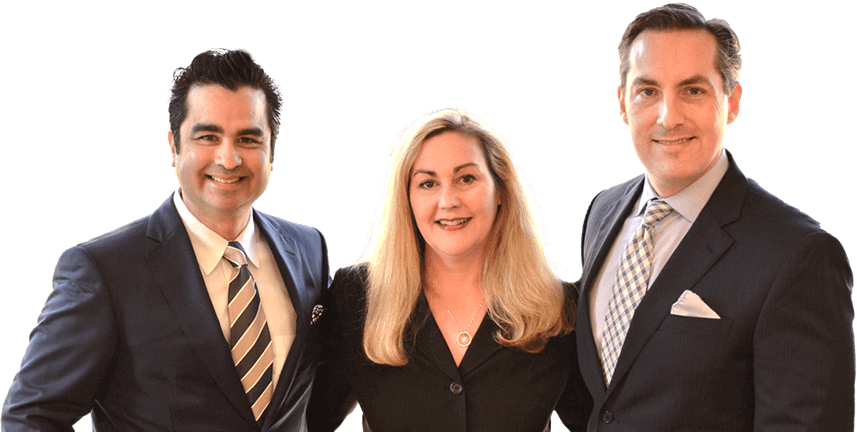
In 2003, after being dissatisfied with the quality of legal care for victims of car accidents, Roderick ‘Rico’ Alvendia sought to establish a new firm focused on providing high-quality legal services to aid injured victims and their families. J. Bart Kelly, sharing Rico’s passion for upholding justice, joined the firm later that year, and established a partnership.