
Associate at AKD Lawyers
Practice Areas: Personal Injury, Workers Compensation
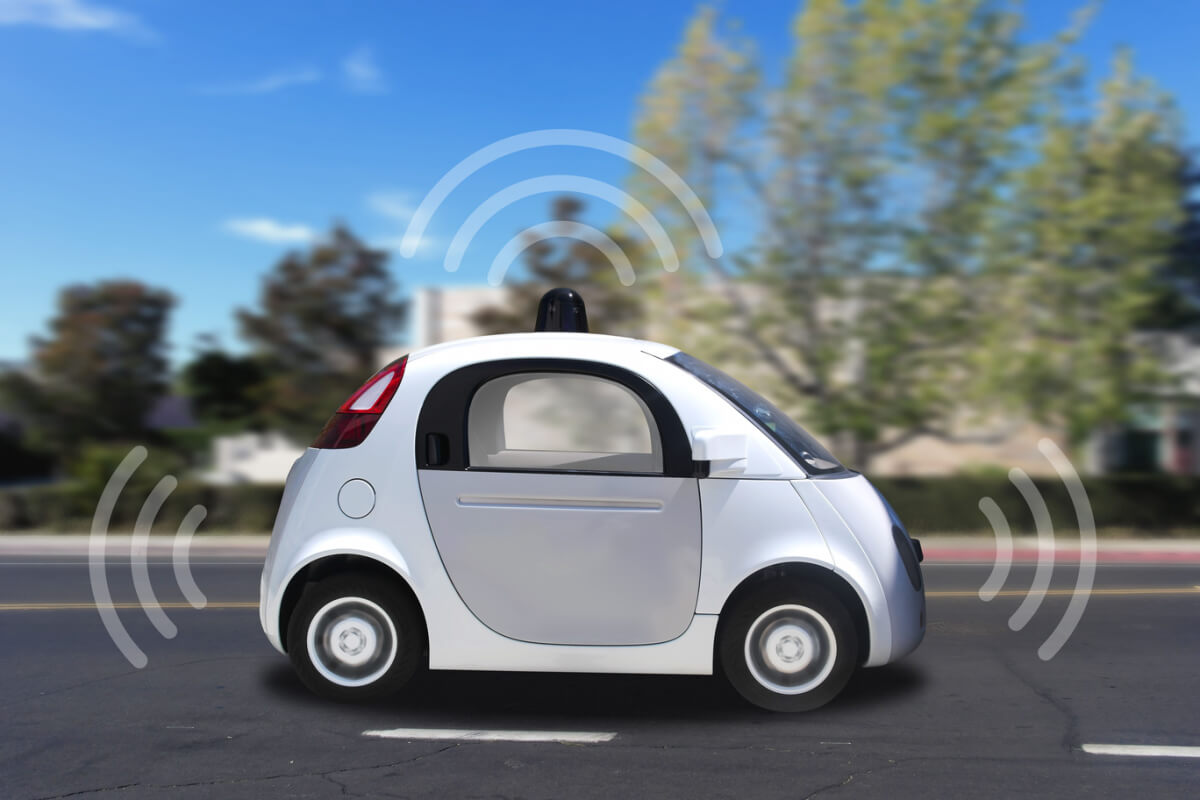
Self-driving cars are no longer just an idea for the future. They are already being tested on roads across the country. As more of these vehicles appear, they are changing how fault is handled after a crash.
Autonomous vehicles, or AVs, are designed to reduce mistakes made by human drivers. But when one crashes, the legal questions can be difficult. Was the person inside responsible? Did the vehicle fail? Or did the software make the wrong choice?
There is rarely one quick answer. A New Orleans injury lawyer for car accidents may need to examine the driver’s actions, the vehicle’s hardware, and the software running it. This guide looks at how liability, evidence, and insurance are changing as AV technology develops.
Liability Is Shifting Beyond The Driver
Most car accident claims focus on what the driver did wrong. They may have been speeding , distracted , impaired, or following too closely. That approach becomes harder when the vehicle is driving itself.
Responsibility may extend to several parties, including:
- The manufacturer, if a sensor or mechanical part failed
- The software developer, if the system misread the road or made an unsafe decision
- The vehicle owner, if required updates or maintenance were ignored
- A third-party provider, if mapping, cloud data, or another outside system failed
The main question is no longer limited to whether a driver was careless. Investigators may also need to find out whether a faulty part, software error, or unsafe design caused the crash.
That can turn a standard negligence case into a product liability claim. The fatal 2018 Uber self-driving crash in Arizona showed how difficult it can be to separate human mistakes from failures in the technology.
Ai Decisions Become Evidence
An autonomous vehicle constantly reads the road and responds to what its sensors detect. After a crash, those digital actions may become some of the most useful evidence in the case. Many AVs store information through event data recorders.
These systems may capture:
- Vehicle speed
- Braking
- Steering movements
- Sensor readings
- Actions taken by the automated system
As courts lean more on this kind of digital evidence , injury cases increasingly turn on understanding how AI systems behave.

Product Liability And The Regulatory Gap
Product liability law becomes more important when the vehicle, rather than the driver, may have caused the crash. Possible defects include:
- Sensors that fail to detect a vehicle, person, or object
- Software that reads a traffic signal incorrectly
- A system design that causes an unsafe turn, stop, or lane change
Federal agencies such as the NHTSA are still developing clearer rules for autonomous vehicle safety. State laws are also not uniform, so a case may be handled differently depending on where the crash happened.
Louisiana’s comparative fault law adds another issue. For crashes on or after January 1, 2026, La. Civ. Code art. 2323 reduces compensation based on each party’s share of fault. Recovery is barred when the injured person is 51% or more at fault.
If both the human occupant and the automated system played a role, the court may need to divide responsibility between them. That can be difficult when the technology makes most of the driving decisions.
Get Your Free Consultation
Insurance Is Changing Too
Traditional auto insurance focuses on the driver’s age, record, and experience. AVs upend that by shifting risk from the driver toward the manufacturer or software developer, and insurers are testing new product-based and hybrid policies.
| Aspect | Traditional vehicles | Autonomous vehicles |
|---|---|---|
| Primary liability | Human driver negligence | Manufacturer or software error |
| Fault evidence | Police reports, witnesses | AI data logs, sensor recordings |
| Insurance type | Driver-based policy | Product or system-based coverage |
| Common claims | Distracted or impaired driving | Software bug, sensor malfunction |
This shift may lower premiums for safer systems while raising accountability for technology companies.

Privacy, Safety, And Ethics
Autonomous vehicles collect large amounts of information about roads, traffic, passengers, and nearby people. That data helps the car operate, but it also raises privacy concerns.
Questions may arise over:
- Who owns the vehicle’s data.
- How long the information is stored.
- Whether an insurer can access it.
- When it must be shared in a lawsuit.
- How personal information should be protected.
Pedestrians and cyclists create another challenge. AVs can react quickly, but their sensors may have trouble reading sudden or unusual movement. Lawmakers must balance new technology with public safety and privacy rights.
What This Means Going Forward
Autonomous vehicles are changing personal injury law in a major way. Future cases may focus less on traffic tickets and more on software updates, sensor data, and product design.
Someone injured in an AV crash may still have a claim. Depending on the cause, it may involve negligence, product liability, or both. Our guide to liability in autonomous vehicle accidents explains these claims in more detail.
Frequently Asked Questions
Who is responsible if a self-driving car causes a crash?
Responsibility depends on what caused the collision. The driver, vehicle owner, manufacturer, software developer, or another company may share fault.
How do event data recorders help in AV investigations?
They may record speed, braking, steering, sensor input, and actions taken by the automated system. Investigators can use that data to understand what happened before the crash.
Are insurance laws ready for AV claims?
Not fully. Insurers are testing hybrid models that combine driver and manufacturer coverage.
What role does privacy law play?
It governs who can access or use the car’s operational data during an investigation or lawsuit.
Can victims still file an injury claim after an AV crash?
Yes. Claims may fall under product liability or negligence, depending on the cause of the crash.
Talk to a New Orleans Car Accident Lawyer
Crashes involving self-driving technology are complex, with evidence and liability that look nothing like a typical fender-bender. If you were hurt in a crash involving an autonomous vehicle, Alvendia, Kelly & Demarest can help you understand your options.
Call (504) 200-0000 for a free consultation. There is no fee unless we win. Contact our team today.
Categories
In 2003, after being dissatisfied with the quality of legal care for victims of car accidents, Roderick ‘Rico’ Alvendia sought to establish a new firm focused on providing high-quality legal services to aid injured victims and their families. J. Bart Kelly, sharing Rico’s passion for upholding justice, joined the firm later that year, and established a partnership.