
Partner at AKD Lawyers
Practice Areas: Personal Injury, Insurance Claims
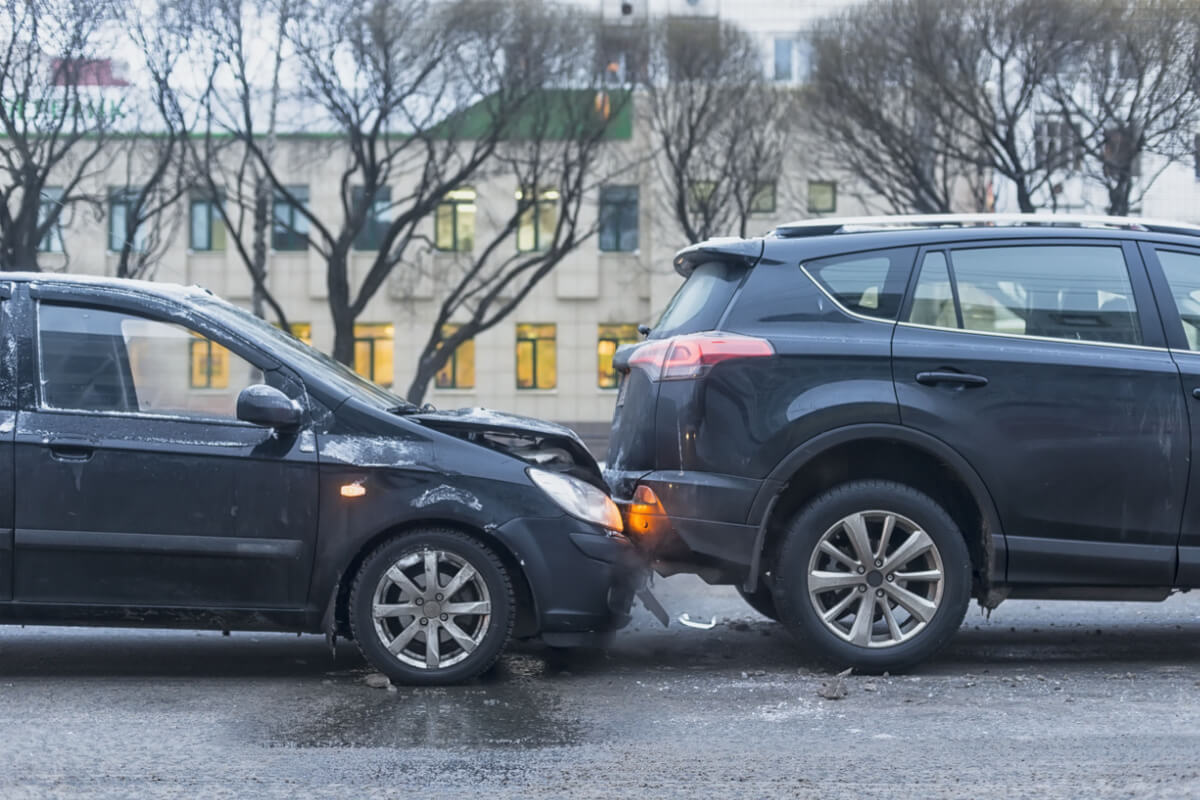
Car accidents in New Orleans have become a serious public safety issue. With crowded city streets, unpredictable weather, and distracted drivers, the risk of being involved in a crash is higher than ever. According to recent state data, Orleans Parish has seen one of the highest rates of traffic-related deaths in Louisiana.
While a New Orleans car accident lawyer can help protect your rights after a crash, the best way to stay safe is to understand what causes most accidents and how to avoid them.
This guide explains the most common causes of car accidents in New Orleans, based on Louisiana crash data, local traffic laws, and real-world examples.
Distracted Driving: The Leading Cause on Louisiana Roads
Distracted driving remains one of the top causes of car accidents in New Orleans. Whether it’s texting, scrolling through social media, or using GPS, even a few seconds of inattention can lead to a collision.
The Louisiana Highway Safety Commission reports that distracted driving caused more than 570 fatal crashes statewide in 2022.
Louisiana RS 32:300.5: “No person shall operate a motor vehicle on any public road while using a wireless device to write, send, or read text-based communication.”
The hands-free law is designed to reduce distractions behind the wheel, especially in congested areas like Uptown, Metairie, or along I-10. Many crashes happen when drivers assume they can multitask. The truth is, a momentary distraction can cause irreversible damage.
To prevent distracted driving, silence notifications before you start driving, use voice-activated GPS, and pull over if you need to send a message. Simple habits can prevent tragic outcomes.
Drunk and Impaired Driving: A Continuing Challenge
Despite years of awareness campaigns, impaired driving continues to cause devastating losses across Louisiana. In 2021, 251 alcohol-related fatal crashes were recorded statewide, with a significant number occurring in urban areas like New Orleans. Most involved drivers aged 25 to 34 often after social events or nightlife.
According to the Center for Analytics and Research in Transportation Safety, alcohol remains a major contributing factor in fatal Louisiana crashes.
Driving under the influence of alcohol or drugs slows reaction time and affects judgment. Louisiana law sets the blood alcohol concentration (BAC) limit at 0.08%, and stricter limits apply to commercial and underage drivers. Even prescription medications can impair driving ability.
Avoiding impaired driving is simple: plan a rideshare, use public transportation, or have a designated driver. Intervening when someone plans to drive drunk can save lives.

Speeding and Reckless Operation
Speeding continues to be a key factor in serious crashes throughout New Orleans. Urban drivers often underestimate how quickly conditions can change whether it’s a pedestrian crossing or a sudden stop in traffic. Speeding reduces reaction time and increases the severity of crashes.
Louisiana RS 14:99 defines reckless operation as “operating a vehicle in a criminally negligent or reckless manner that endangers life or property.”
The penalties for reckless driving include fines, license suspension, and potential jail time. But beyond penalties, speeding threatens lives. Local highways such as I-10 and I-610 often see multi-car crashes linked to excessive speed.
In Louisiana, speeding violations fall under RS 32:61-65, and enforcement is strict in school and construction zones. Keeping to posted limits, especially during rain or heavy traffic, greatly reduces crash risk.
Weather and Road Conditions
New Orleans drivers face unique challenges due to the city’s geography and weather. From heavy downpours to fog and flooded streets, weather-related accidents are common. Reduced visibility and slick roads can turn minor mistakes into major collisions.
Orleans Parish’s accident-related death rate is 51% higher than the national average. (Source: County Health Rankings & Roadmaps, 2023)
Hydroplaning and stalled vehicles are frequent during storm seasons. Drivers should check wipers, tires, and headlights regularly and avoid flooded streets whenever possible. Even a few inches of water can cause a car to lose traction or shut off completely.
Staying informed about weather alerts and adjusting your speed and following distance are crucial to safe driving in Louisiana’s unpredictable climate.
Urban Traffic and Driver Behavior
New Orleans’ mix of tourists, cyclists, and pedestrians makes driving more complex than in most Louisiana cities. Narrow roads, parked cars, and streetcar lines increase the risk of fender benders and side impacts.
Aggressive driving, tailgating, and quick lane changes are common causes of crashes in high-traffic zones like Canal Street or Claiborne Avenue.
Reckless operation charges often arise from aggressive lane changes, running red lights, or following too closely. These behaviors endanger everyone sharing the road.
Staying patient in traffic is more than courtesy; it’s a safety measure. Keeping a safe distance, using turn signals, and respecting pedestrian crossings are small actions that prevent major accidents.

Annual Car Accident Trends in New Orleans (2019–2023)
|
Year |
Total Fatal Accidents | Pedestrian Deaths | Alcohol-Related Fatalities | Weather-Related Incidents |
| 2019 | 78 | 13 | 42 | 7 |
| 2020 | 85 | 11 | 48 | 9 |
| 2021 | 97 | 21 | 51 | 11 |
| 2022 | 92 | 18 | 49 | 10 |
| 2023 (est.) | 90 | 20 | 50 | 12 |
The data shows a steady increase in fatal and alcohol-related crashes over the past five years. Most of these incidents were preventable with safer driving habits.
Building Safer Roads: What Drivers Can Do
Every driver can help make New Orleans roads safer. Following local traffic laws, staying alert, and adjusting to road conditions can dramatically reduce crash risks. Defensive driving courses and public awareness campaigns continue to play an important role in improving safety.
Two quick reminders for safer driving:
- Always maintain a safe following distance and check mirrors often.
- Plan trips ahead, especially during bad weather or high-traffic hours.
Understanding local laws and driving conditions not only helps prevent accidents but also makes you a more responsible member of the community.
Frequently Asked Questions (FAQs)
What are the top causes of car accidents in New Orleans?
Distracted driving, impaired driving, speeding, reckless behavior, and weather-related hazards are the main causes.
What is Louisiana’s hands-free driving law?
RS 32:300.5 bans handheld phone use while driving, except in hands-free mode.
How does weather affect driving in New Orleans?
Heavy rain and flooding reduce visibility and traction, increasing the risk of crashes.
What are the penalties for reckless driving in Louisiana?
RS 14:99 treats reckless operation as a criminal offense with fines or possible jail time.
How can New Orleans drivers reduce accident risks?
Avoid distractions, follow speed limits, and adjust driving in poor weather conditions.
Conclusion
Car accidents in New Orleans happen far too often, but most are preventable through responsible driving and awareness of local laws. Whether it’s putting the phone down, slowing in the rain, or planning a sober ride home, small actions can save lives.
If you’ve been injured in a crash caused by another driver’s negligence, Alvendia, Kelly & Demarest Law Firm can help you understand your rights and legal options. Our team provides experienced guidance for those navigating the aftermath of serious accidents in Louisiana.
Schedule your free consultation today to learn more about your next steps.


Categories

In 2003, after being dissatisfied with the quality of legal care for victims of car accidents, Roderick ‘Rico’ Alvendia sought to establish a new firm focused on providing high-quality legal services to aid injured victims and their families. J. Bart Kelly, sharing Rico’s passion for upholding justice, joined the firm later that year, and established a partnership.