Partner at AKD Lawyers
Practice Areas: Personal Injury
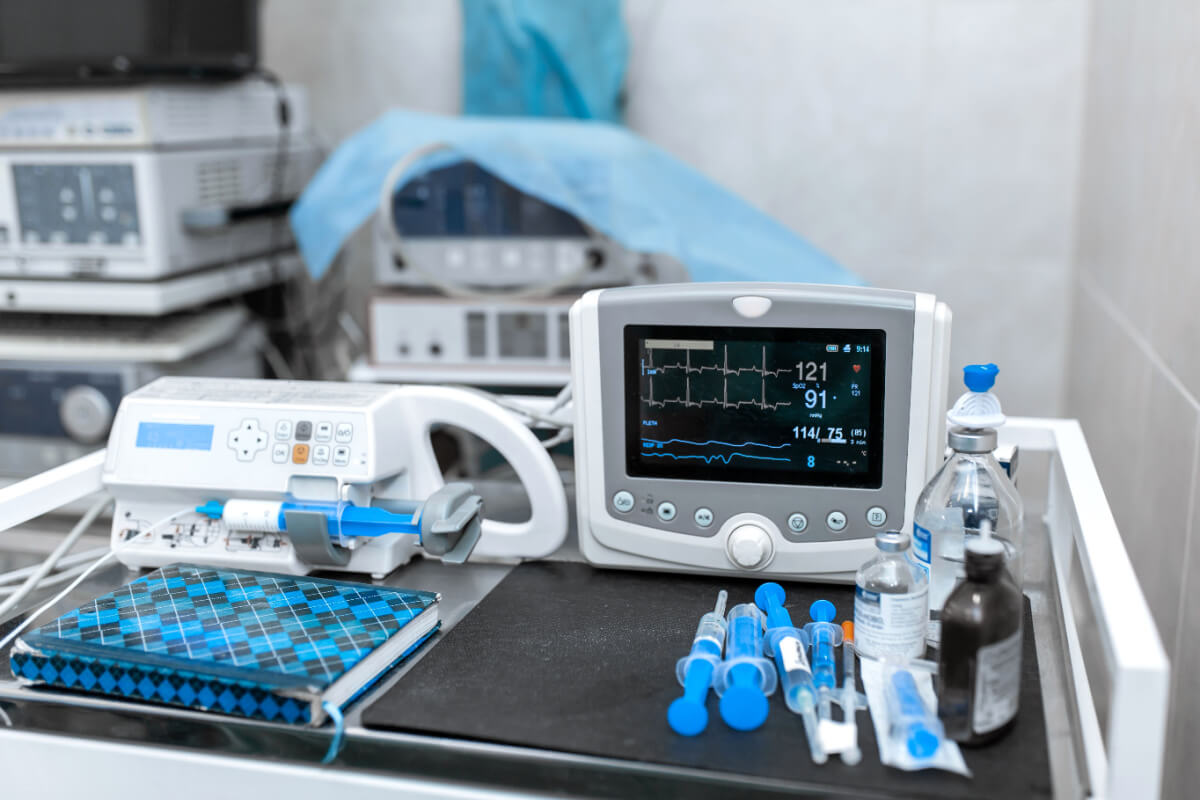
Medical devices are a vital part of modern healthcare. From pacemakers and hip implants to surgical tools, these devices help millions live healthier lives. But when something goes wrong, the results can be serious.
Understanding how medical device recalls work and what steps to take if a product fails can help protect your health and safety.
How the FDA Recall Process Works
When a medical device poses a potential safety risk, either the manufacturer or the U.S. Food and Drug Administration (FDA) may initiate a recall. The recall process is designed to reduce the chance of harm by correcting or removing faulty products from circulation.
Most recalls are voluntary, meaning the manufacturer identifies the problem and reports it to the FDA under 21 CFR Part 7 (Enforcement Policy). In other cases, the FDA can require a recall if a company fails to act on its own.
Once a recall is announced, the FDA publishes the information on its database, outlining the reason, classification, and corrective steps. The Medical Device Reporting (MDR) system and MedWatch allow healthcare professionals and patients to report adverse events directly to the agency.
“According to the U.S. Food and Drug Administration, more than 1,000 medical device recalls occur each year most initiated voluntarily by manufacturers.”
This process ensures transparency and gives patients access to essential safety updates.
Classifications of Medical Device Recalls
Recalls are classified into three categories based on the level of risk they pose to patients. Knowing which category applies can help you understand the urgency of the situation.
| Recall Class |
Risk Level |
Typical Devices |
Recommended Action |
| Class I | High risk – may cause serious injury or death | Pacemaker, faulty heart valves | Immediate discontinuation or replacement |
| Class II | Moderate risk – temporary or reversible issues | Hip implants, insulin pumps | Medical review and potential device repair |
| Class III | Low risk – unlikely to cause harm | Labeling or packaging errors | Follow updated manufacturer instructions |
Each class represents how quickly patients or healthcare providers must respond. Class I recalls require immediate attention, while Class III recalls often involve smaller corrections like labeling changes.
“FDA regulations under 21 CFR Part 7 outline the recall procedures that protect consumers from potentially harmful products.”

Commonly Recalled Devices and Why Failures Happen
Several types of medical devices are more prone to recalls due to their complexity and the conditions they treat. Understanding these helps you identify potential risks.
- Hip Implants: Defective implants may loosen, corrode, or cause pain and inflammation, often requiring revision surgery.
- Pacemakers: These lifesaving devices can malfunction if batteries fail or software errors occur, which may lead to irregular heartbeats or fainting episodes.
- Surgical Mesh: Used in hernia and pelvic repairs, faulty mesh can cause infections, organ perforation, or chronic pain.
- Blood Glucose Monitors: Incorrect readings can cause dangerous blood sugar fluctuations in people with diabetes.
- Breast Implants: Defective implants may rupture or leak, causing pain, infection, or immune reactions.
“Between 2018 and 2023, Class I recalls increased by over 30%, reflecting greater FDA vigilance and reporting transparency.”
The growing number of recalls shows the need for constant monitoring, accurate reporting, and awareness among patients and healthcare professionals.
What Patients Should Do After a Recall
Discovering that a medical device you rely on has been recalled can be stressful, but taking the right steps helps ensure safety.
- Contact your healthcare provider right away for guidance.
- Check the FDA’s recall database for details about your device.
- Follow the manufacturer’s instructions carefully.
- Keep records like serial numbers, invoices, and communications.
- Report any issues or side effects through the MedWatch system.
Staying informed and calm is key. Every recall is different, and not all require immediate removal or replacement. The FDA’s Center for Devices and Radiological Health (CDRH) monitors each case to ensure appropriate action is taken.
“Most medical device recalls are voluntary, initiated by the manufacturer once a potential risk is identified.”
If a recall affects a patient who has experienced harm, it may connect to broader issues of product safety and regulatory oversight. A New Orleans defective medical device lawyer or other civil law professional might study similar liability principles when investigating faulty products that cause injuries.
Get Your Free Consultation
Regulatory Oversight and Patient Protections
The FDA enforces strict guidelines to ensure medical devices meet safety standards even after they reach the market. The Safe Medical Devices Act of 1990 and 21 CFR 803 require hospitals, clinics, and manufacturers to report serious device-related injuries or deaths within 10 working days.
“The Safe Medical Devices Act requires hospitals and manufacturers to report serious device-related injuries or deaths to the FDA within 10 working days.”
This law strengthens accountability and transparency. The post-market surveillance system monitors devices long after approval, identifying issues that may not appear during initial testing.
Patients also have the right to access recall information and request follow-ups from healthcare providers. These protections exist to maintain public trust in healthcare technology.

Awareness and Prevention: How Patients Can Stay Informed
Preventing harm starts with education. Patients who stay informed are more likely to avoid risks and act quickly if a recall occurs.
Check your device’s registration and model number with the FDA Medical Device Recalls Database. Sign up for MedWatch Safety Alerts to receive real-time notifications. Regularly discuss device performance with your doctor during routine checkups.
Awareness also means understanding that recalls aren’t always signs of danger—sometimes, they’re preventive measures to improve safety or fix minor issues before harm occurs.
“Post-market surveillance ensures that devices continue to meet safety standards even after widespread use.”
When patients and healthcare professionals work together, risks can be minimized, and trust in medical technology remains strong.
Frequently Asked Questions
What triggers a medical device recall?
Recalls happen when a device is found to pose potential health risks due to design flaws, manufacturing defects, or labeling errors identified by the manufacturer or FDA.
How can I find out if my device has been recalled?
Visit the FDA Medical Device Recalls Database or subscribe to FDA safety alerts to stay informed about recent updates or notices.
Does every recall mean my device must be removed or replaced?
Not always. Some recalls involve label updates or software fixes rather than full removal of the product.
What should I do if my medical device is malfunctioning?
Contact your doctor immediately and report the issue to the FDA’s MedWatch system for proper tracking and investigation.
How does the FDA ensure recalled devices are handled properly?
The FDA monitors manufacturer actions to ensure users are notified and corrective measures are completed.
Are medical device recalls common?
Yes. With thousands of devices on the market, recalls are a normal part of post-market safety efforts. Most are preventive rather than reactive.
Conclusion
Medical device recalls are a reminder that safety and awareness go hand in hand. By understanding how recalls work and knowing your rights, patients can take timely action to protect their health. Staying updated through official FDA channels and consulting trusted healthcare providers ensures informed decision-making.
The team at Alvendia, Kelly & Demarest Law Firm is committed to helping communities in Louisiana stay aware of product safety issues and their impact on patient well-being.
If you or a loved one has been affected by a defective medical device, reach out today to learn about your options and schedule a free consultation.

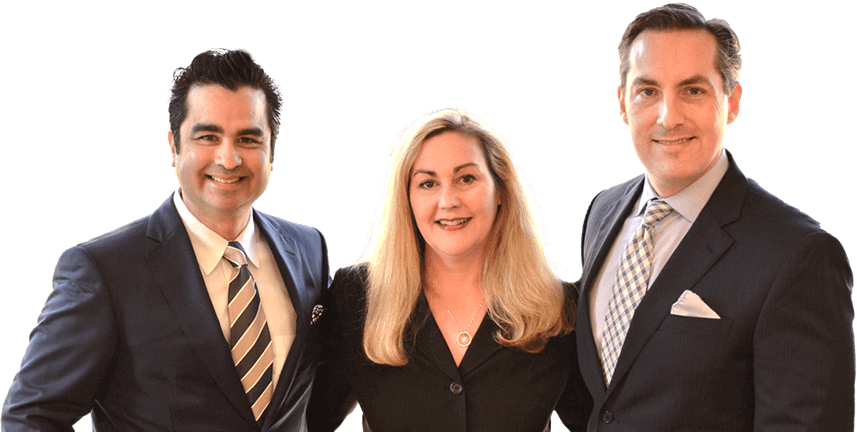
Categories
In 2003, after being dissatisfied with the quality of legal care for victims of car accidents, Roderick ‘Rico’ Alvendia sought to establish a new firm focused on providing high-quality legal services to aid injured victims and their families. J. Bart Kelly, sharing Rico’s passion for upholding justice, joined the firm later that year, and established a partnership.