
Partner at AKD Lawyers
Practice Areas: Personal Injury, Insurance Claims
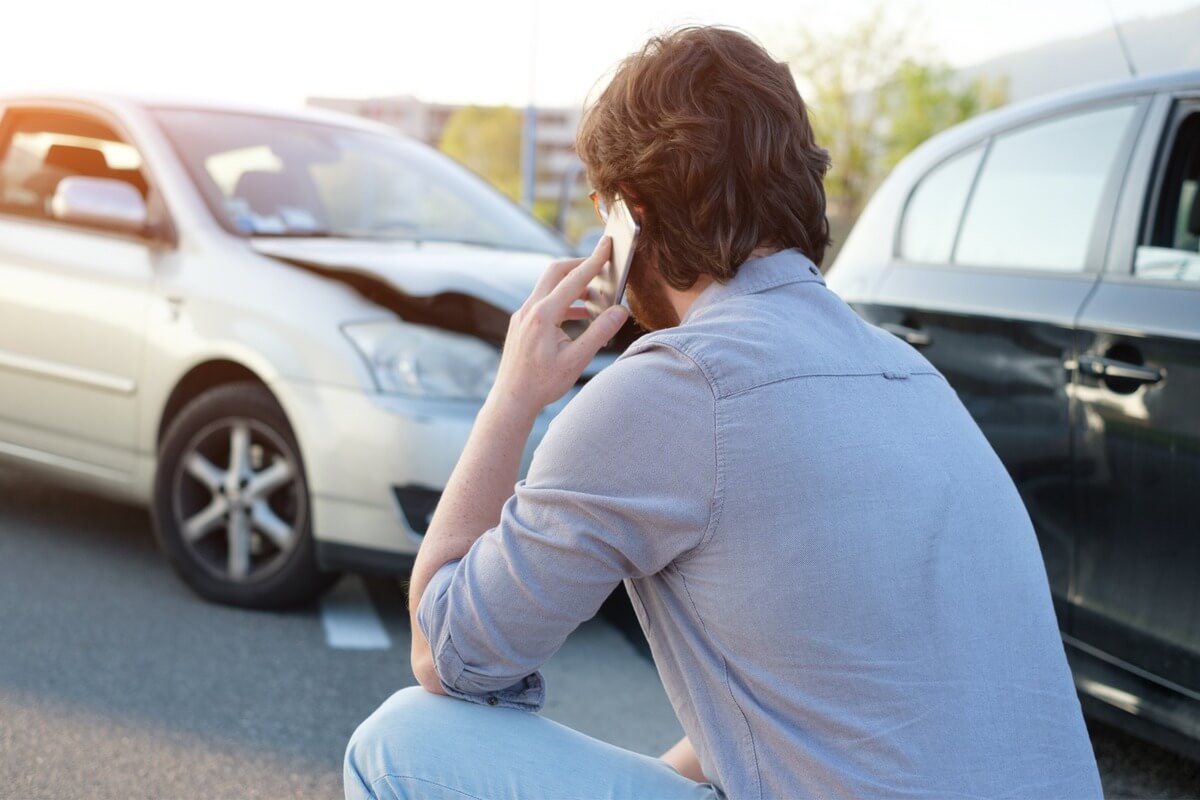
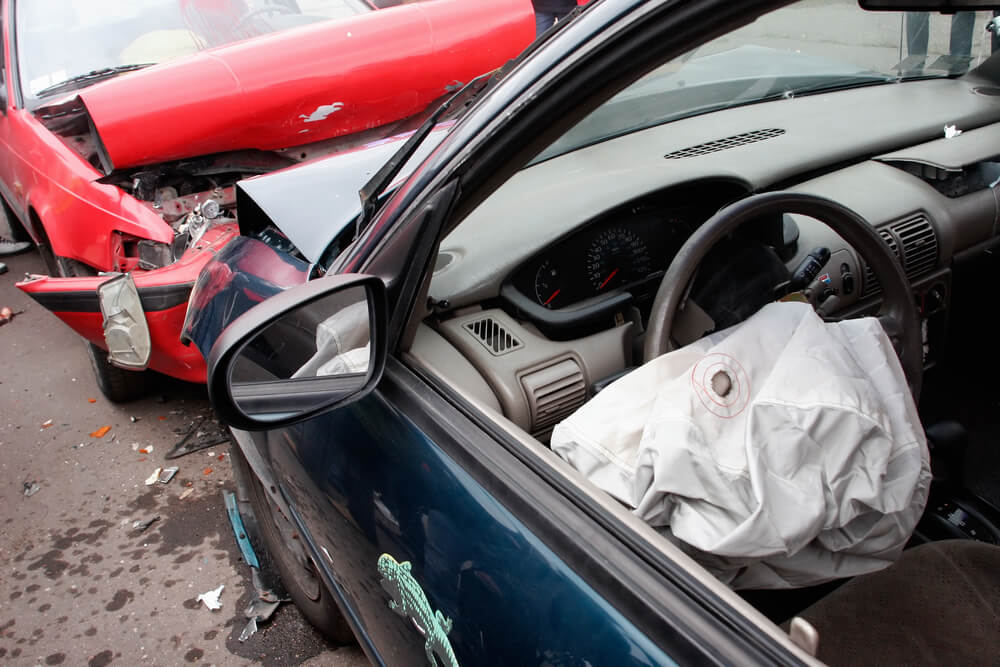
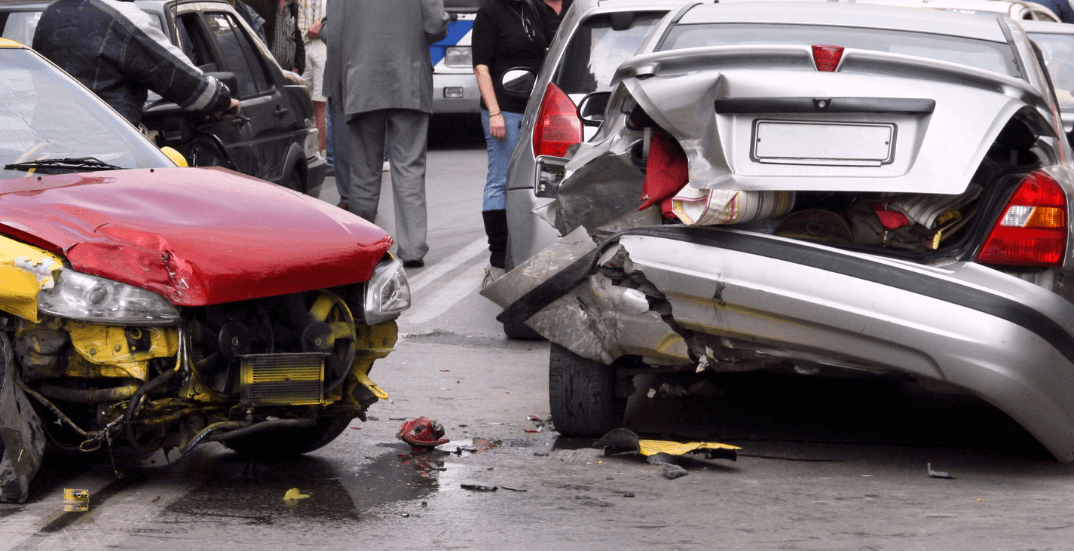
More than one driver can be responsible for a car accident in Louisiana. In crashes involving three or more vehicles, each driver’s actions often play a role. One driver may have been following too closely, another may have changed lanes without checking traffic, while someone else may have been speeding or distracted.
Because of that, liability is not always assigned to just one person. Insurance companies look at the facts of the accident and decide whether fault should be divided among multiple drivers. The percentage of fault assigned to each person can affect the amount of compensation an injured victim may recover. A car accident attorney in New Orleans can map the fault in your specific case, but here is how these claims generally work.
Louisiana’s Comparative Fault Rule, And What Changed
Louisiana allows more than one driver to share responsibility for a crash. If you are partly at fault, your compensation may be reduced based on your percentage of responsibility.
For crashes on or after January 1, 2026, you can recover damages only if you are 50% or less at fault. Any compensation you receive is reduced by your percentage of fault. If you are 51% or more at fault, you cannot recover damages. Crashes that happened before that date are covered by Louisiana’s previous comparative fault rule.
For example, if your damages total $100,000 and you are found 25% at fault, you could recover $75,000. If you are found 55% at fault, you would not be able to recover damages.
Where Multiple Drivers Commonly Share Fault
More than one driver may be responsible for a crash, especially when several vehicles are involved. Common examples include:
- Rear-end chain reactions: A driver who follows too closely may be partly at fault, but another driver’s sudden stop or an earlier collision may have started the chain of events.
- Intersection crashes: Two or more drivers may share fault if one runs a red light while another is speeding, making an unsafe turn, or failing to yield.
- Lane-change and merge accidents: Fault may be shared when drivers move into the same lane at the same time, or one fails to check a blind spot before changing lanes.
- Head-on or sideswipe collisions: Although these crashes often seem straightforward, more than one driver may have contributed to the accident, depending on how the crash occurred.
Proving Who Was Responsible
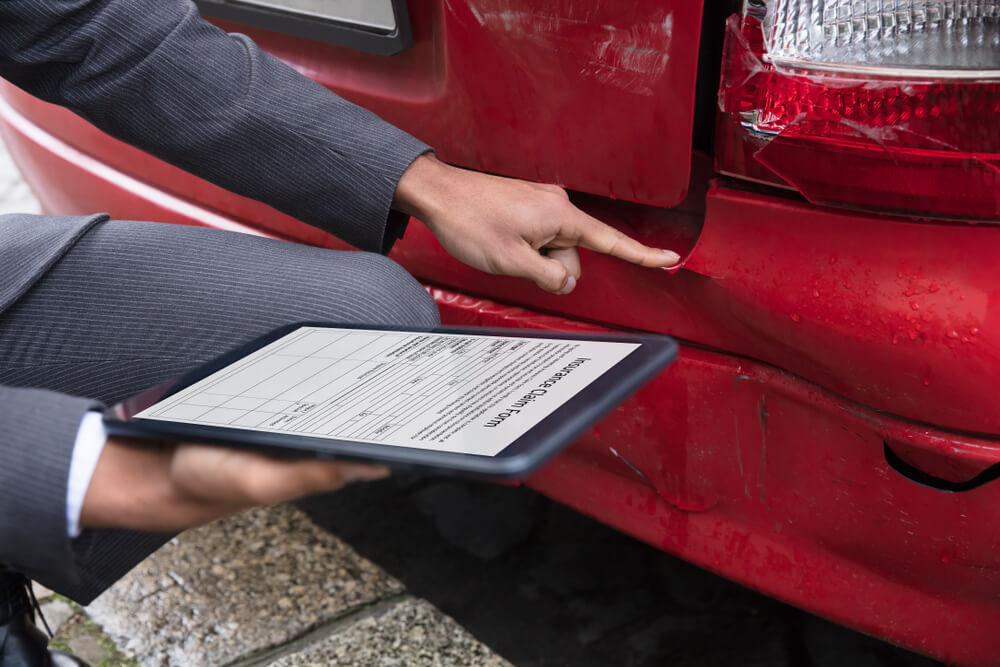
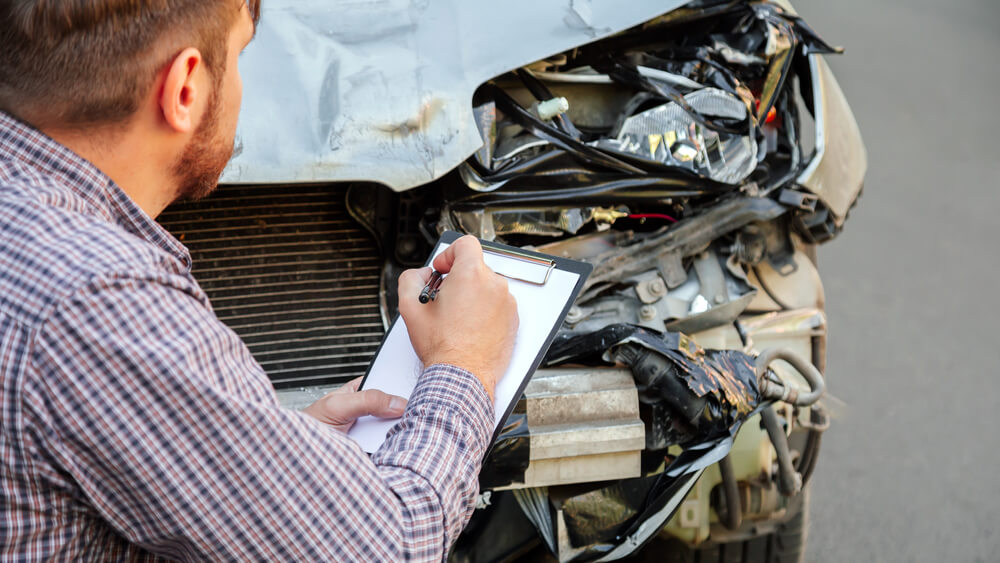
When several drivers are involved, insurance companies look at the evidence to determine who was responsible. The goal is to understand how the crash happened and whether more than one driver contributed to it.
Evidence may include:
- Photos and videos of the accident scene
- Dashcam or surveillance footage
- Vehicle event data recorder (“black box”) information
- Witness statements
- Accident reconstruction reports are used in more complex cases.
Strong evidence can make it easier to establish fault and respond if an insurance company tries to place more blame on you than the facts support.
How Insurance Plays Out With Several At-Fault Drivers
When multiple drivers share fault, each insurer must sort out its share of responsibility. Your compensation tracks your percentage of fault, so a driver found 30% responsible in a 2026 crash recovers 70% of their damages, assuming they stay under the 51% bar.
Two other Louisiana rules can come into play. The “No Pay, No Play” law (La. R.S. 32:866) bars an uninsured driver from recovering the first $100,000 in bodily-injury damages, even if others caused the crash, though insured drivers can still pursue their claims normally.
And the minimum-coverage drivers carry, just 15/30/25, can run out fast when several people are hurt, which is why uninsured/underinsured motorist coverage matters in pileups.
Reporting And Deadlines
After a multi-car accident, reporting the crash and acting within the legal deadline are both important. In Louisiana, you must report an accident involving injury, death, or property damage of $500 or more. The police report often becomes an important piece of evidence when multiple drivers are involved.
Louisiana also limits the time you have to file a personal injury lawsuit. For crashes on or after July 1, 2024, you generally have two years from the date of the accident to file suit. Because multi-party claims can take longer to investigate and resolve, it is best to avoid waiting until the deadline is close.

Example: How Fault Can Be Divided
| Scenario | Party A | Party B | Party C | Why |
|---|---|---|---|---|
| Rear-end chain reaction | 50% | 30% | 20% | Lead car stopped short; others followed too closely |
| Intersection crash | 60% | 40% | – | One ran a red light; another entered too soon |
| Merge collision | 45% | 55% | – | Both failed to yield during a lane change |
Small details, like speed, braking, and turn signals, can move these percentages, and under the 2026 rule, those shifts can be the difference between recovering and recovering nothing.
What To Do After A Multi-Car Crash
Your first priority is safety. Check for injuries, call 911 if needed, and move to a safe location if possible.
If you can do so safely, gather as much information as possible before leaving the scene:
- Take photos of all vehicles, the road, and the surrounding area.
- Exchange contact and insurance information with every driver involved.
- Write down the location, time, and anything you remember about how the crash happened.
- Get the names and contact information of any witnesses.
When speaking with the insurance company, stick to the facts and avoid guessing about who was at fault. If responsibility for the crash is disputed or multiple insurance companies are involved, speaking with a lawyer can help you understand your options.
Frequently Asked Questions
What does Louisiana’s comparative fault rule mean now?
For crashes on or after January 1, 2026, you can recover damages only if you are 50% or less at fault. Earlier crashes are governed by Louisiana’s comparative fault rule.
How is fault proven in a multi-vehicle crash?
Investigators rely on black-box data, photos and video, witness statements, the police report, and sometimes accident reconstruction to assign each driver a percentage.
Can passengers file claims against multiple drivers?
Yes. A passenger can seek damages from each negligent driver in proportion to that driver’s share of fault.
What if one of the drivers is uninsured?
The “No Pay, No Play” law limits what an uninsured driver can recover, but insured drivers and passengers can still pursue their claims.
How long do I have to file a multi-car accident claim in Louisiana?
Generally, two years from the date of the crash for incidents on or after July 1, 2024 (La. Civ. Code art. 3493.11).
Get Your Free Consultation
Talk to a New Orleans Car Accident Lawyer
Multi-car crashes get complicated fast, and under Louisiana’s new fault rule, the percentage assigned to you carries more weight than ever. If you were caught in a pileup or a chain-reaction wreck, Alvendia, Kelly & Demarest can help you understand your options and protect your share of the recovery.
Call (504) 200-0000 for a free consultation. No fee unless we win. Tell us what happened.


Categories

In 2003, after being dissatisfied with the quality of legal care for victims of car accidents, Roderick ‘Rico’ Alvendia sought to establish a new firm focused on providing high-quality legal services to aid injured victims and their families. J. Bart Kelly, sharing Rico’s passion for upholding justice, joined the firm later that year, and established a partnership.