Partner at AKD Lawyers
Practice Areas: Personal Injury

New Orleans streets look very different after sunset. Around the French Quarter, Bourbon Street, and Canal Street, drivers share the road with pedestrians, rideshare vehicles, tourists, and people leaving restaurants and bars.
That mix creates challenges. Poor visibility, crowded streets, alcohol use, and unfamiliar roads can all contribute to serious crashes.
When an accident happens at night, the question is not always just who was driving. Multiple people or entities may have played a role. A New Orleans motor vehicle accident lawyer can review the details, but understanding how liability works is a good first step.
Why Nighttime Driving Creates More Risks
Driving after dark comes with problems that do not exist during the day. Street lighting can be inconsistent. Pedestrians may cross outside marked areas. Rideshare vehicles may stop suddenly while picking up passengers. Heavy foot traffic near entertainment areas can make normal driving patterns unpredictable.
Alcohol and fatigue can also play a role. A driver may be impaired after drinking or too tired to react in time. Drivers who are unfamiliar with the area may also miss a turn, change lanes suddenly, or react late to traffic.
Who May Be Responsible After a Nightlife Crash?
A late-night crash does not always involve only two drivers. Depending on what happened, several parties may share responsibility.
- Drivers. A driver may be responsible for speeding, impairment, distraction, or unsafe decisions.
- Government entities. Poor lighting, damaged signals, or unsafe road conditions may raise questions about roadway responsibility.
- Businesses or event operators. A dangerous parking setup, valet arrangement, or obstruction may contribute to a crash.
- Rideshare companies. Liability may depend on whether the driver was logged into the app and transporting passengers.
When more than one party is involved, Louisiana’s comparative fault rules determine how responsibility is divided.
Louisiana’s Comparative Fault Rule
Louisiana’s fault system changed for newer crashes. For accidents occurring on or after January 1, 2026, Louisiana uses a modified comparative fault rule under La. Civ. Code art. 2323. A person found more than 50% responsible cannot recover damages. Anyone below that threshold has their recovery reduced by their percentage of fault.
For example, a driver found 30% responsible may still recover, but the award would be reduced by that 30%. Crashes before January 1, 2026, follow the previous pure comparative fault system.
Get Your Free Consultation
Key Louisiana laws for nighttime crashes
| Legal concept | The rule now | Why it matters |
|---|---|---|
| Comparative fault | Modified 51% bar for crashes on/after Jan 1, 2026 (pure rule before) | Decides shared-fault recovery |
| Filing deadline | 2 years for crashes on/after July 1, 2024 (1 year before) | Sets your filing window |
| Dram shop law | Immunity for serving adults; liability for serving minors or forcing drinks | Defines bar responsibility |
| No Pay, No Play | Bars first $100,000 BI/PD for uninsured drivers (raised Aug 1, 2025) | Affects uninsured recovery |
How Louisiana Dram Shop Law Applies
Many people assume a bar is automatically responsible when a customer causes a drunk-driving crash. Louisiana law generally does not work that way.
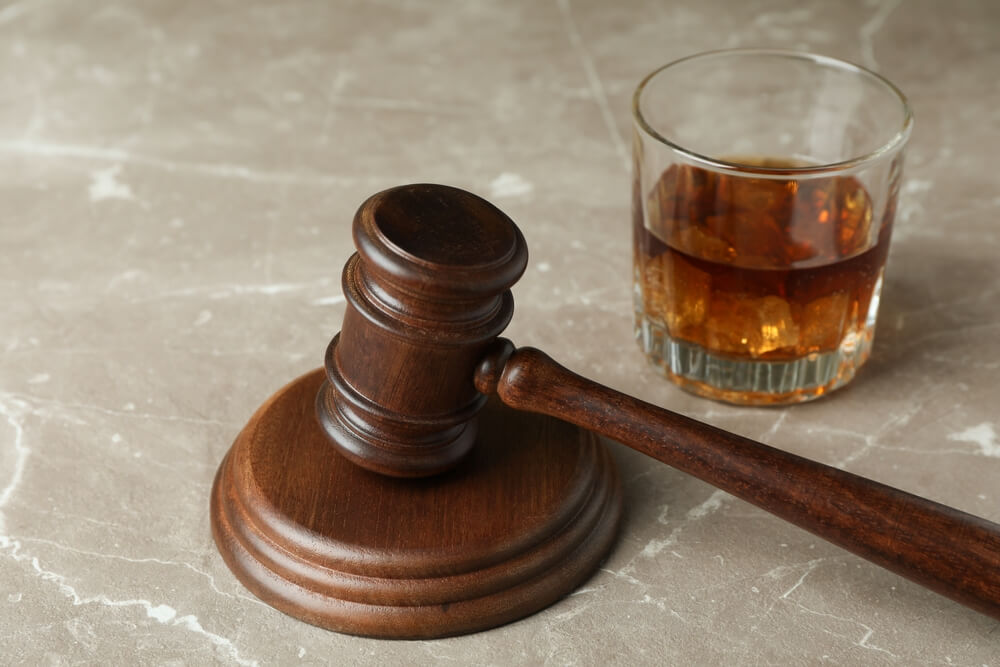
Under La. R.S. 9:2800.1, businesses are usually protected from liability when they serve alcohol to adults who later cause accidents. Exceptions may apply when alcohol is provided to minors, or someone is forced to drink.
If an intoxicated driver caused the crash, another issue may involve exemplary damages under Louisiana law.

Evidence That Can Help Explain What Happened
Nightlife crashes often happen in places where evidence exists nearby. A bar camera, traffic camera, rideshare record, or witness may capture details that are not clear from the accident scene alone.
Evidence that may help includes:
- Video from nearby businesses or street cameras.
- Rideshare trip information showing when and where a driver was active.
- Lighting records and witness statements.
- Police reports or body-camera footage.
Some of this evidence does not last long. Security footage may be overwritten, and people may remember fewer details as time passes.
Deadlines and the No Pay, No Play Rule
A claim has to be filed within the time allowed by Louisiana law. For crashes occurring on or after July 1, 2024, Louisiana generally gives two years to file a claim under La. Civ. Code art. 3493.11.
Uninsured drivers may also face limits under Louisiana’s No Pay, No Play law (La. R.S. 32:866). The rule can reduce recovery for certain uninsured drivers, including the first $100,000 in bodily injury and property damage under the current threshold.
Frequently Asked Questions
Why do more crashes happen at night in New Orleans?
Dark streets, crowded entertainment areas, alcohol use, and tired drivers can all make nighttime driving more difficult.
Can a bar be responsible if a customer causes a crash?
Usually not. Under Louisiana’s dram shop law (La. R.S. 9:2800.1), alcohol sellers generally have limited liability, with exceptions involving minors or situations where someone was forced to drink.
How does comparative fault work now?
For crashes after January 1, 2026, being more than 50% at fault generally means you cannot recover damages. If your fault is 50% or less, your compensation is reduced accordingly.
How long do I have to file a nightlife accident claim?
For crashes on or after July 1, 2024, the general deadline is two years from the date of injury. Earlier crashes may fall under the previous one-year deadline.
Legal Help After a Late-Night Crash
A late-night crash in the Quarter can involve several at-fault parties and a fault rule that just got stricter. If you or someone you know was hurt after dark, Alvendia, Kelly & Demarest can help you understand your options and protect your share of the recovery.
Call (504) 200-0000 for a free consultation. No fee unless we win. Reach out today.
Reviewed by Roderick “Rico” Alvendia, Partner at Alvendia, Kelly & Demarest Law Firm.

Categories
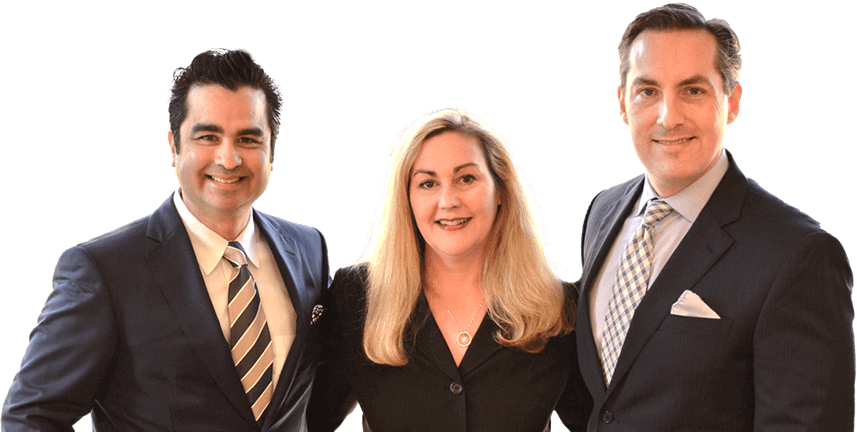
In 2003, after being dissatisfied with the quality of legal care for victims of car accidents, Roderick ‘Rico’ Alvendia sought to establish a new firm focused on providing high-quality legal services to aid injured victims and their families. J. Bart Kelly, sharing Rico’s passion for upholding justice, joined the firm later that year, and established a partnership.