Partner at AKD Lawyers
Practice Areas: Personal Injury
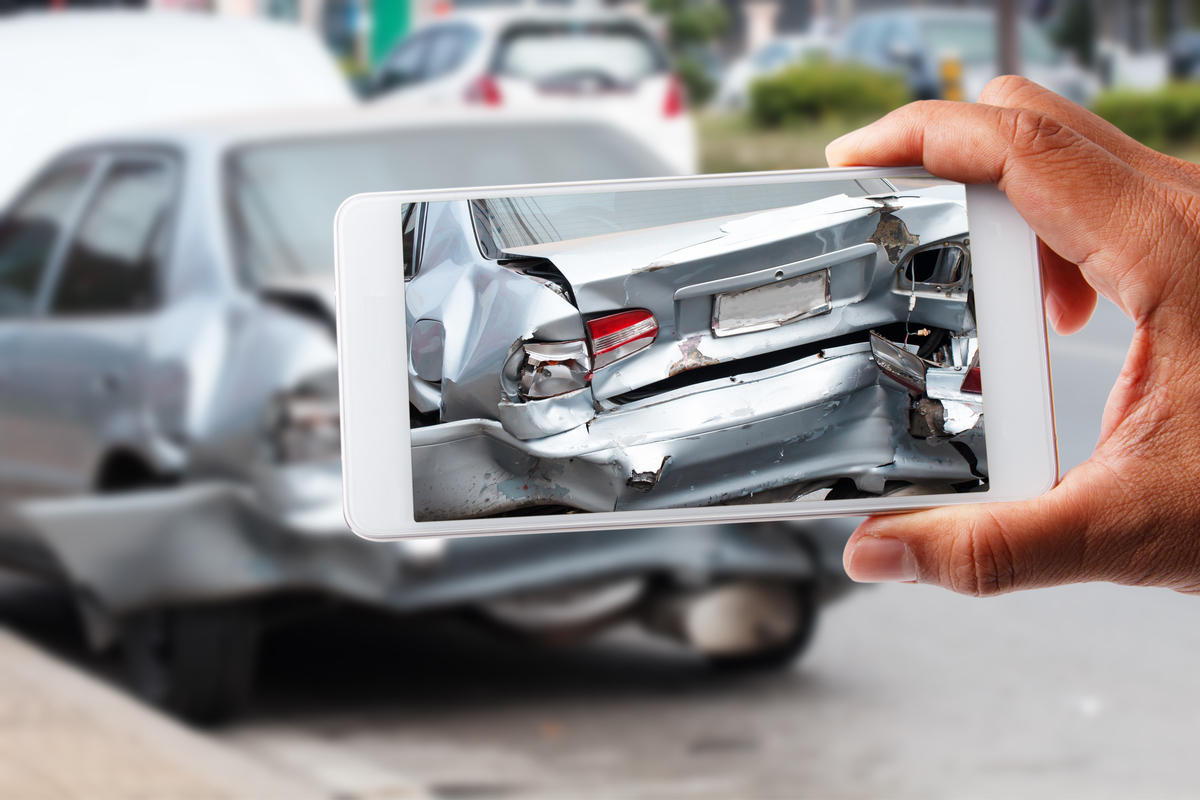
A crash can leave you shaken and unsure of what to do next. While you are checking for injuries and speaking with the other driver, it is easy to miss details that may matter later. Taking a few minutes to photograph the scene can help preserve them.
Photos can show how the vehicles were positioned, what the road looked like, and where the damage occurred. They may also help if the other driver changes their story or an insurer disputes fault. Try to take them before the vehicles are moved or towed.
If fault later becomes an issue, a New Orleans car crash injury lawyer can use the pictures to support your account of the crash.
Why Photos Matter So Much In Louisiana
Memories can fade, but a photo records what was visible at the scene. It can show vehicle damage, skid marks, traffic signs, weather, and other details that may be hard to explain weeks later.
For crashes on or after January 1, 2026, the state applies modified comparative fault (La. Civ. Code art. 2323): your recovery is reduced by your share of fault and barred at 51% or more. A clear record of the scene helps make sure your share of fault is assessed accurately.
Clear photos may help show that the crash did not happen the way another driver claims. They also give the insurance adjuster a better view of the damage and the events leading up to the impact. Without strong evidence, a claim may take longer to review or may be valued too low.
What To Photograph At The Scene
Only take photos if you can do so safely. Try to cover the full scene before the vehicles are moved.
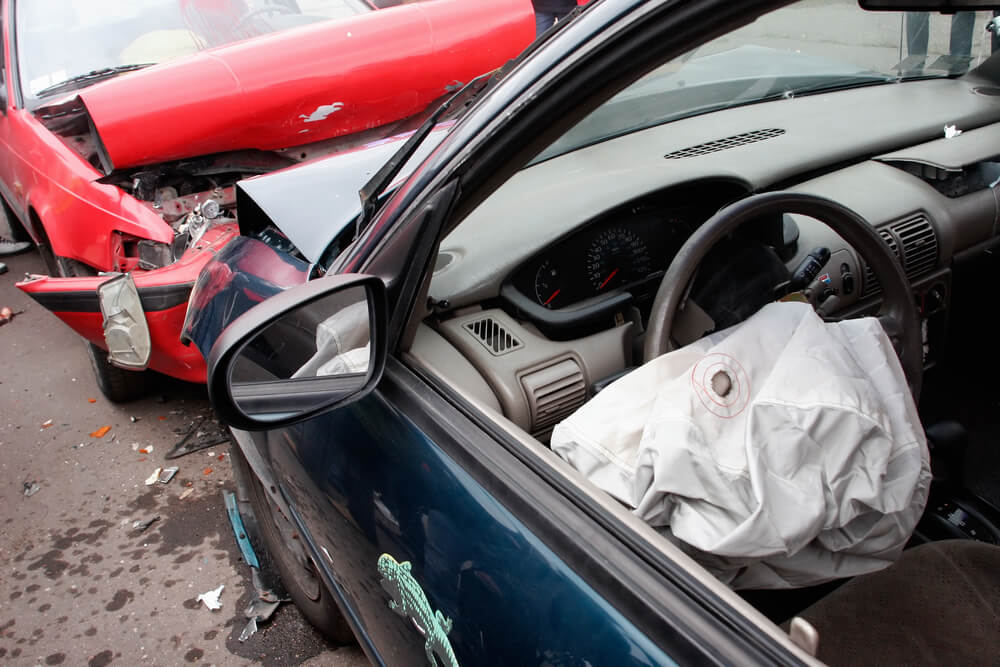
- Vehicle damage. Photograph dents, scratches, broken lights, deployed airbags, and damage inside the vehicle. Take both close and wide shots.
- Road and weather conditions. Capture wet roads, potholes, debris, poor lighting, or anything else that may have affected the crash.
- Traffic lights and signs. Include signals, stop signs, lane markings, and signs that help show who had the right of way.
- Other vehicles. Photograph each vehicle, its license plate, and the area where it was hit.
- Visible injuries. Take respectful photos of cuts, swelling, or bruises.
Include intersections, nearby buildings, street names, and landmarks that show where the crash took place.
How To Capture Clear, Useful Photos
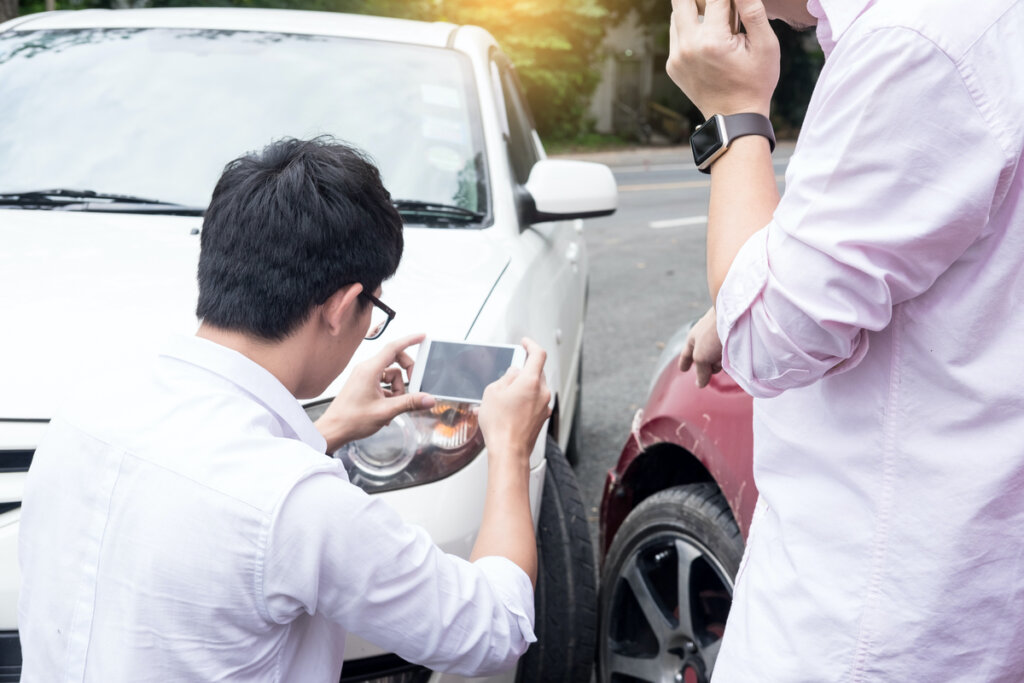
A smartphone is usually enough. Make sure the date and time settings are correct so the image information reflects when the photo was taken. Keep the original files and do not add filters or make edits.
Take pictures from several places around the scene. Use wide shots to show the full area, then move closer for damage and other details. Photograph every vehicle, even if one of them appears to have only minor damage. Hold the phone steady and use natural light when possible.
Keep the images private. Share them only with the police, your insurer, or your lawyer. Avoid posting them on social media. An insurer may take a photo or comment out of context and use it to question your injuries or your version of events.
Get Your Free Consultation
The Legal And Insurance Context
You do not need photos to file a car accident claim, but they can support the police report and the information given to the insurance companies.
Under La. R.S. 32:398, a driver must report a crash that causes injury, death, or at least $500 in property damage. Police officers may photograph the scene, but they may not capture every vehicle, angle, or road condition. Your own photos can fill in those gaps.
When fault is disputed, the pictures may show where the vehicles stopped, which areas were damaged, how much light was available, and what happened before impact. Since your percentage of fault can reduce your compensation, those details may have a real effect on the claim.
Common Mistakes To Avoid
Crash photos are most useful when they show the scene as it really was.
Try to avoid these mistakes:
- Taking photos too late. Once the cars are moved or the road is cleared, useful details may disappear.
- Editing the images. Keep the original files. Cropping, filters, or other changes may raise questions later.
- Sharing them online. An insurer may review public posts and use them to challenge your claim.
- Relying only on the police report. Officers may miss certain damage, road hazards, or views that your own photos can capture.
| Photo category | Example shots | Why it helps |
|---|---|---|
| Vehicle damage | Dents, scratches, airbag deployment | Shows impact severity and repair scope |
| Road and weather | Wet roads, debris, signage | Reveals contributing conditions |
| Injuries | Visible bruises or cuts | Supports the record of harm |
| Traffic and scene | Signals, skid marks, signs | Helps reconstruct the sequence |
| Other vehicles | Plates, impact areas | Confirms involvement and fault context |
Frequently Asked Questions
Why should I take photos after a New Orleans crash?
Photos show the scene as it looked right after the crash. They can support your account, help insurers review faults, and provide useful evidence if the other driver disputes what happened.
Does Louisiana law require crash photos?
You can still file a claim without them. However, photos can support the police report, document vehicle damage, and help show how fault should be divided.
What should I take pictures of?
Photograph the damage to every vehicle, license plates, vehicle positions, traffic signs, road and weather conditions, nearby landmarks, and any visible injuries.
Can I post accident photos on social media?
Avoid it. Insurers may read online photos as contradictory and use them to challenge your claim.
Should I keep the photos after the claim settles?
Yes, hold onto them until your case is fully closed in case questions come up.
Talk to a New Orleans Car Accident Lawyer
A few good photos can be the difference between a fair recovery and a fight over fault. If you were in a crash and want to know what evidence strengthens your case, Alvendia, Kelly & Demarest can help. Call (504) 200-0000 for a free consultation.
There is no fee unless we win. Reach out today. Reviewed by Roderick “Rico” Alvendia, Partner at Alvendia, Kelly & Demarest.

Categories
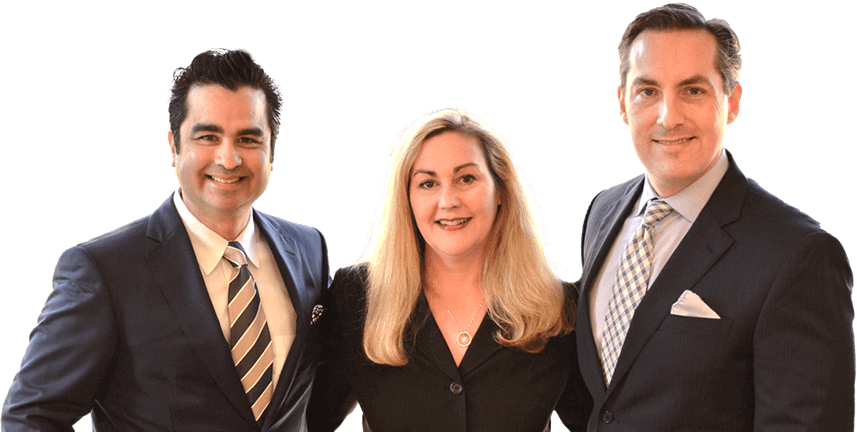
In 2003, after being dissatisfied with the quality of legal care for victims of car accidents, Roderick ‘Rico’ Alvendia sought to establish a new firm focused on providing high-quality legal services to aid injured victims and their families. J. Bart Kelly, sharing Rico’s passion for upholding justice, joined the firm later that year, and established a partnership.