

Partner at AKD Lawyers
Practice Areas: Personal Injury, Insurance Claims
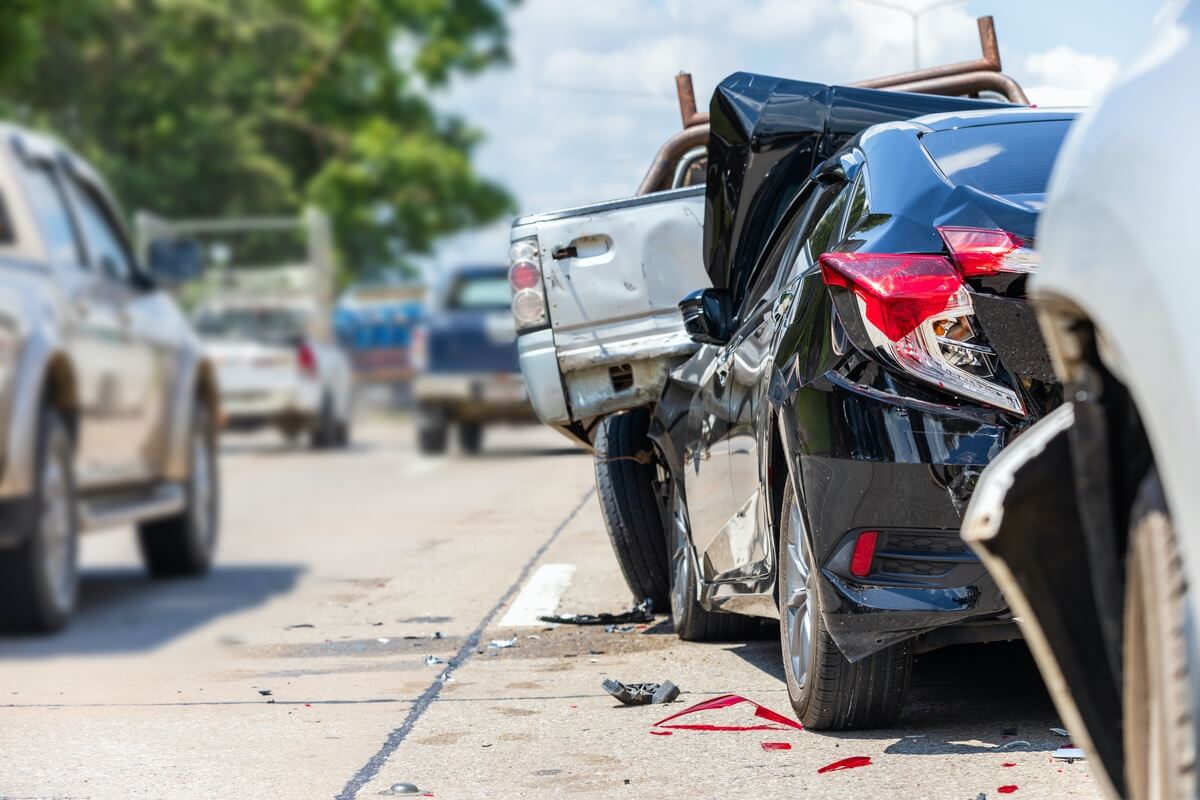
If you were injured as a passenger in a car accident, you’re probably dealing with medical bills, stress, and plenty of unanswered questions. You didn’t cause the crash, but you’re still the one coping with its effects. In Louisiana, passengers are protected by clear laws that outline their rights and options for recovery whether the accident happened in New Orleans, Baton Rouge, or anywhere else in the state.
While a New Orleans car accident lawyer can help explain those rights in detail, it’s important to understand the basics yourself. Knowing how passenger injury claims work in Louisiana can make it easier to protect your health, your finances, and your peace of mind after a crash.
Understanding Passenger Rights in Louisiana
Passengers are rarely at fault for a crash. That means, under Louisiana’s at-fault system, the person who caused the accident or their insurance company is responsible for covering your injuries and losses.
Louisiana follows the comparative fault rule under Civil Code Article 2323. This means if more than one driver shares responsibility for the crash, the blame (and compensation) is divided.
For example, if two drivers are 70% and 30% at fault, you may be able to recover damages from both based on their share of responsibility.
In most cases, passengers can file against:
- The at-fault driver’s insurance policy
- Both drivers’ policies if responsibility is shared
This system ensures that even when multiple vehicles are involved, passengers have options to pursue compensation.
“Under Louisiana Civil Code Article 2323, each party’s fault is compared, and compensation is reduced by the claimant’s share of fault.”
Insurance Coverage Options for Injured Passengers
After a Louisiana car accident, several types of insurance coverage may apply to injured passengers. Knowing these options helps you understand where compensation may come from.
- Bodily Injury Liability- This coverage applies when another driver causes the crash. The at-fault driver’s insurance pays for medical costs, lost wages, and pain and suffering up to the policy limit.
- Uninsured/Underinsured Motorist (UM/UIM) Coverage- If the at-fault driver doesn’t have insurance, or not enough to cover your losses, UM/UIM may help. It can come from your own policy or the driver’s policy.
- Medical Payments Coverage (MedPay)- MedPay helps pay for immediate medical bills, regardless of who caused the accident. Not every policy includes it, but it’s useful for covering early treatment costs.
- Health Insurance- If other coverages aren’t available, your health insurance may step in temporarily. However, you may have to repay these costs later if you receive a settlement.
“The Insurance Research Council estimates that nearly one in seven Louisiana drivers is uninsured, making UM/UIM coverage essential for passengers.”
Many top articles skip explaining how insurance limits work when multiple passengers are hurt. In Louisiana, all injured passengers share the same policy limits. This makes it crucial to file promptly and ensure all available coverages are identified.

Passenger Insurance Coverage Options After a Louisiana Car Accident
|
Coverage Type |
Who Provides It | What It Covers |
When It Applies |
| Bodily Injury Liability | At-fault driver’s insurance | Medical costs, lost wages, pain and suffering | When another driver is at fault |
| UM/UIM Coverage | Passenger’s or driver’s policy | Injuries caused by uninsured or underinsured drivers | If at-fault driver lacks adequate insurance |
| MedPay | Passenger’s own insurance | Immediate medical expenses | Regardless of fault |
| Health Insurance | Passenger’s health insurer | Ongoing medical treatment | Secondary coverage; may require reimbursement |
Steps to Take After a Car Accident as a Passenger
What you do after a crash matters. Even though you weren’t driving, your actions can affect how smoothly your claim goes.
First, make sure the crash is reported to the police. Louisiana law (RS 32:398) requires anyone involved in a collision to remain at the scene unless they need emergency care. If you leave for medical treatment, make sure your name is on the police report.
Next, cooperate with the police. Give accurate information but avoid guessing about details you didn’t witness.
Seek medical attention immediately. Even minor symptoms like headaches or soreness could indicate hidden injuries such as concussions or soft tissue damage.
Finally, keep good records of everything medical bills, prescriptions, test results, and photos of the scene if available. These details can make a major difference later.
“Louisiana law (Civil Code Article 3492) gives passengers one year from the date of the accident to file an injury claim.”
If you had to leave the scene for treatment, contact the investigating officer afterward to confirm your statement is included.

Deadlines and Legal Time Limits for Passenger Claims
Louisiana has one of the shortest timeframes in the country to file an injury claim. According to Civil Code Article 3492, passengers have one year from the date of the accident to take legal action.
Waiting too long could cause your claim to be dismissed entirely. That’s why documenting your injuries and understanding your coverage options early is key.
If the claim involves minors, the deadline may differ depending on the child’s age and circumstances. This detail is often missed in other guides, but it’s critical for parents managing a child’s recovery after an accident.
Common Passenger Injury Scenarios
Passenger injury cases aren’t always straightforward. Different types of accidents affect claims differently:
- Multi-vehicle accidents: When several cars are involved, fault may be shared among multiple drivers.
- Uninsured or underinsured drivers: Passengers often rely on UM/UIM coverage to fill gaps.
- Rideshare accidents: Lyft or Uber passengers have separate coverage layers, depending on the driver’s app status.
- Minor passengers: Parents or guardians must file claims on behalf of minors.
Each scenario can involve different insurance companies, and understanding how those policies overlap helps avoid delays or claim denials.
Key Takeaways and Practical Guidance
Passengers in Louisiana have clear rights after an accident. You may file a claim against one or more drivers, use your own UM/UIM coverage, or rely on MedPay and health insurance for support.
Keep these essentials in mind:
- Always get medical help and ensure your name appears in the police report.
- Save all medical and insurance records to support your claim.
By understanding Louisiana’s at-fault and comparative fault laws, you can better protect your rights and avoid common claim mistakes.
FAQs
Can a passenger file a claim if both drivers are partly at fault?
Yes. Louisiana’s comparative fault system allows passengers to recover from both drivers based on each one’s share of responsibility.
What if the at-fault driver has no insurance?
You can file through UM/UIM coverage under your own or the driver’s policy, or rely on MedPay or health insurance.
How long do passengers have to file an injury claim in Louisiana?
One year from the accident date, according to Louisiana Civil Code Article 3492.
What happens if multiple passengers are injured in the same car?
All passengers can file claims, but they share the at-fault driver’s policy limits.
Do passengers need to appear in the police report?
Yes. It verifies that you were in the vehicle and helps connect your injuries to the accident.
Can a passenger be found at fault?
It’s rare, unless they interfered with the driver’s control or acted recklessly inside the vehicle.
Conclusion
Being a passenger in a car accident can be stressful and confusing, especially when medical bills and insurance questions start to pile up. Louisiana law protects passengers by allowing them to recover from those responsible, but the process can be complex when multiple drivers or insurers are involved.
At Alvendia, Kelly & Demarest Law Firm, our team helps Louisiana residents understand their rights and navigate the insurance process with confidence. If you or a loved one were injured as a passenger, reach out today for a free consultation to learn about your options and protect your recovery.


Categories

In 2003, after being dissatisfied with the quality of legal care for victims of car accidents, Roderick ‘Rico’ Alvendia sought to establish a new firm focused on providing high-quality legal services to aid injured victims and their families. J. Bart Kelly, sharing Rico’s passion for upholding justice, joined the firm later that year, and established a partnership.