

Partner at AKD Lawyers
Practice Areas: Insurance Claims
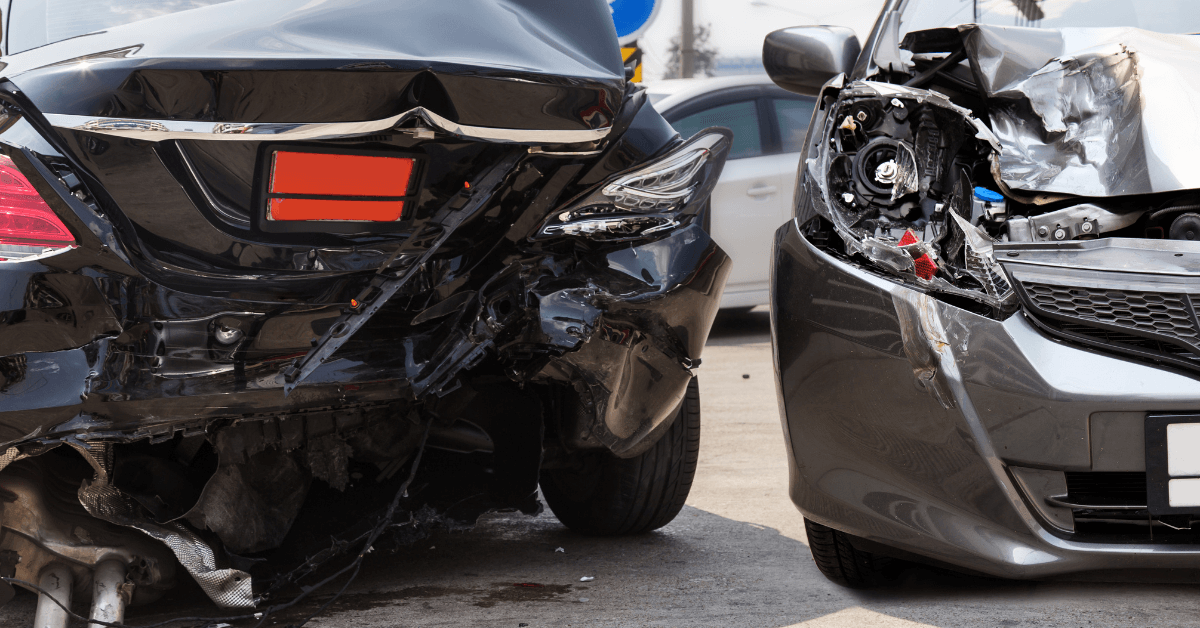
A car crash can leave you sore in places you did not expect. Some injuries hurt right away. Others become noticeable later that day or even a few days afterward.
The type of injury also changes what recovery looks like. One person may need a few weeks of treatment. Another may need surgery, physical therapy, or months away from normal activities.
Getting checked after a crash can help find injuries that are easy to miss early on. If another driver caused the accident, a New Orleans car accident lawyer can also explain how medical records may fit into an injury claim.
Soft-Tissue Injuries (Whiplash And Sprains)
Soft-tissue injuries affect the muscles, ligaments, and tendons. Whiplash is one of the injuries seen after car crashes. The sudden movement of the head and neck can leave you with stiffness, headaches, swelling, and difficulty turning your head. Pain may also spread into the shoulders or upper back.
Treatment depends on the injury. It may include rest, physical therapy, medication, or ice and other measures to control swelling. Symptoms are not always immediate, so don’t ignore early stiffness or soreness.
Head And Brain Injuries
A crash can cause anything from a mild concussion to a serious traumatic brain injury. The head does not always have to hit something for an injury to occur. The force of the impact can make the brain move inside the skull.
Watch for headaches, dizziness, nausea, confusion, sensitivity to light, and memory problems. Symptoms can vary from person to person and may not appear right away.
Mild injuries may improve with rest and follow-up care. More serious cases, such as bleeding or bruising in the brain, may require emergency treatment, surgery, or rehabilitation.

Spinal, Neck, And Back Injuries
The force of a crash can injure the neck, back, or spine. Some people have muscle strain or whiplash, while others develop herniated discs or spinal-cord injuries.
More serious injuries can cause pain, numbness, tingling, and weakness. Depending on the diagnosis, treatment may include physical therapy, medication, injections, or surgery. Recovery can take weeks or considerably longer.
Internal And Orthopedic Injuries
Some injuries are not obvious after a crash. Internal bleeding, organ damage, and broken ribs can be missed at first, particularly when there are no visible signs. Chest pain, abdominal pain, dizziness, weakness, or trouble breathing should be checked by a medical professional.
Fractures and dislocations are easier to identify but can still require extensive treatment. Depending on the injury, a person may need a cast, surgery, physical therapy, or follow-up visits.
Get Your Free Consultation
Emotional And Psychological Effects
The effects of a crash are not always physical. It is common for people to deal with anxiety, sleep problems, fear of driving, or other emotional symptoms afterward. For some, these problems continue and start affecting work, relationships, or normal routines.
If those symptoms do not go away, speaking with a counselor or other qualified professional can help. Medical records from that treatment can also document the emotional effects of the accident if they become part of a claim.
What Can Affect Recovery?
Recovery is not the same for everyone. The injury itself is only part of the picture. Age, prior injuries, overall health, the treatment needed, and how well the injury responds to care can all change the timeline.
A few things are especially important:
- The severity of the injury: A strain and a complex fracture will not heal at the same pace.
- Treatment: Some injuries need only short-term care. Others need therapy, surgery, or follow-up with a specialist.
- Setbacks: Pain or other symptoms may return when you resume normal activities.
- Work demands: Returning to a desk job may differ from returning to heavy physical work.
Recovery is better measured by progress than by a fixed number of days.

Why Follow-Up Care Matters
Feeling better does not always mean an injury has fully healed. A broken bone, for example, may stop hurting before it is strong enough for normal activity. A person recovering from a concussion may also need to ease back into work or other activities as symptoms improve.
Follow-up visits give your doctor a chance to check that progress and change the treatment plan when needed.
They also create a medical record showing what symptoms continued after the crash and what care was required.
Why Medical Documentation Matters
Medical records show what you were treated for and how your condition progressed after the crash. Keep copies of your discharge papers, scan results, prescriptions, doctor’s notes, and physical therapy records. They can also help your doctors see whether your treatment needs to change over time.
Those records can also become evidence in a legal claim. Louisiana’s comparative fault rules under La. Civ. Code art. 2323 can affect recovery, so having a clear record of your injuries and treatment can help establish what the accident caused and what care you needed.
| Injury type | Common symptoms | Typical recovery | Follow-up |
|---|---|---|---|
| Soft tissue (whiplash, sprains) | Neck stiffness, bruising, limited range | 2–8 weeks | Physical therapy |
| Head/brain (concussion, TBI) | Headache, dizziness, memory issues | 1 week to a year+ | Neurology, cognitive rehab |
| Back/spinal | Pain, numbness, tingling | 6 weeks to 6 months+ | Orthopedic or spine care |
| Internal injuries | Abdominal pain, fatigue, dizziness | Varies by organ | Imaging, surgical care |
Frequently Asked Questions
Can Car Accident Injuries Show Up Later?
Yes. Whiplash and concussion symptoms may not appear immediately. Pain, stiffness, headaches, dizziness, or other problems can become more noticeable in the hours or days after a crash.
How Long Does Whiplash Take to Heal?
Many people improve within a few weeks, but there is no exact timetable. Some continue to have neck pain or other symptoms for months or longer.
Will I Need Physical Therapy?
It depends on the injury. Physical therapy may be used for neck, back, fracture, and soft-tissue recovery when movement or strength needs to be restored.
How Long Does a Broken Bone Take to Heal?
It depends on the bone and the type of fracture. Some heal within a few weeks. More serious fractures may take several months or longer.
Should I See a Doctor If the Crash Seemed Minor?
If you develop pain or other symptoms, it’s sensible to get checked. Some injuries are not obvious right after the collision.
Still Dealing With Injuries After a Crash?
Treatment can continue long after the damaged car is repaired. Medical visits, therapy, missed work, and ongoing symptoms may all become part of life after a serious accident.
Alvendia, Kelly & Demarest Law Firm can review what happened and explain the legal options that may be available while you focus on recovery.
Call (504) 200-0000 for a free consultation or contact the firm online. There is no fee unless you win. Clients may be responsible for costs.


Categories

In 2003, after being dissatisfied with the quality of legal care for victims of car accidents, Roderick ‘Rico’ Alvendia sought to establish a new firm focused on providing high-quality legal services to aid injured victims and their families. J. Bart Kelly, sharing Rico’s passion for upholding justice, joined the firm later that year, and established a partnership.