
Partner at AKD Lawyers
Practice Areas: Personal Injury, Insurance Claims
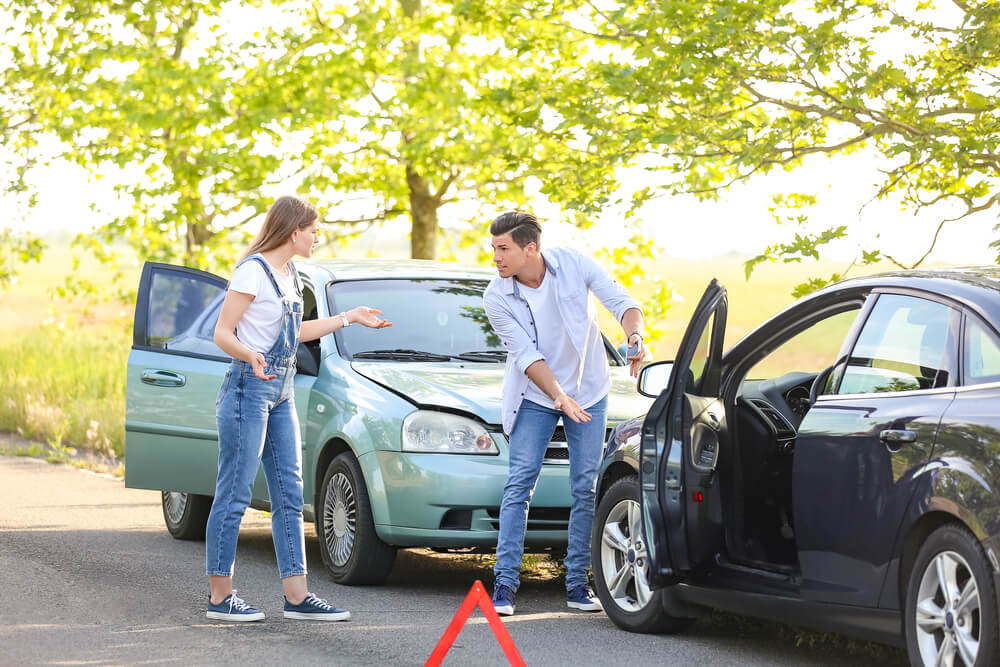
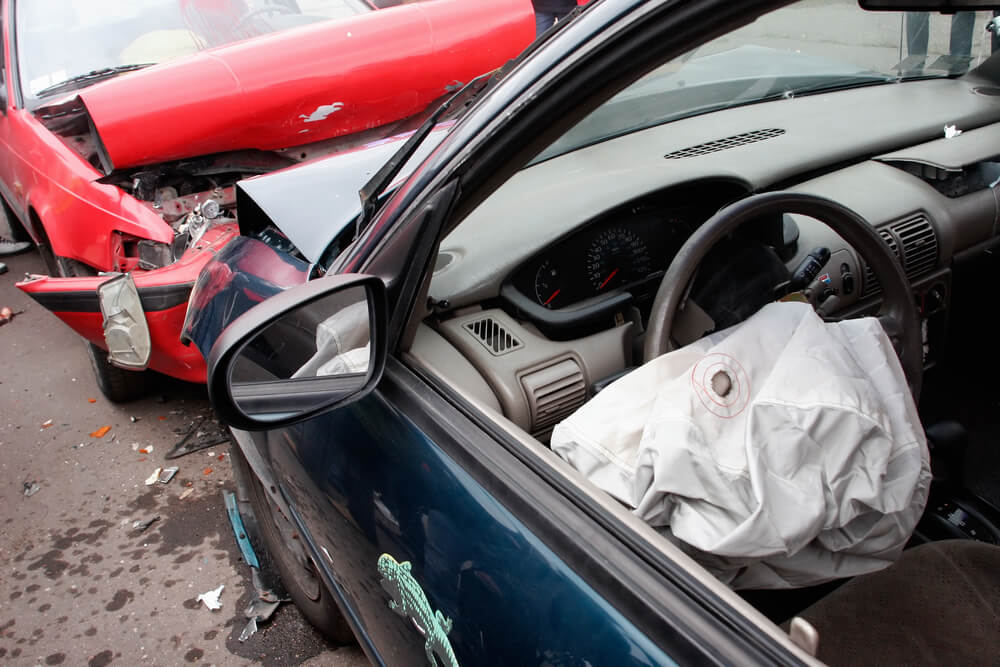
Crashes often leave injured people with more questions than answers, especially when they were not the one driving. Passengers, pedestrians, and cyclists can all be seriously hurt, yet many have no idea how to protect their rights or deal with the insurance companies.
If you were injured as a non-driver in Louisiana, the law is on your side more than you might think.
This guide explains your rights in plain terms and the steps you can take to protect them. A car crash attorney in New Orleans can walk you through your specific situation, but understanding the basics helps you avoid costly missteps early.
What Does “Non-Driver” Mean After A Crash
A non-driver is anyone injured in a crash who was not operating a vehicle at the time. That includes passengers, pedestrians, cyclists, and rideshare riders. Louisiana law gives these individuals the same right to pursue compensation as drivers do when someone else’s negligence causes a crash.
Non-driver injuries happen in many ways: a passenger hurt when their driver is struck, a pedestrian hit in a crosswalk, a cyclist sideswiped by a distracted driver.
Without the protection of a vehicle’s frame, these victims usually face severe injuries like head trauma, fractures, and spinal damage.
Louisiana Law Protects Non-Drivers.
Louisiana lets non-drivers recover damages when another party is at fault. The state’s comparative fault system decides how much you can recover if you share any responsibility.
Louisiana has changed its shared-fault rule. For crashes on or after January 1, 2026, your recovery is reduced by your share of fault under La. Civ. Code art. 2323.
If your fault is beyond 50%, you cannot recover anything. For crashes before that date, the earlier pure comparative fault rule applies, which might allow a lessened recovery even though you were mainly at fault.
Two more facts to consider, for non-drivers:
Deadline. For crashes on or after July 1, 2024, you generally have two years from the date of injury to file (La. Civ. Code art. 3493.11), replacing the old one-year rule.
UM/UIM coverage. Every Louisiana auto policy must offer uninsured/underinsured motorist coverage unless the driver rejects it in writing.
Figuring Out Fault And Coverage
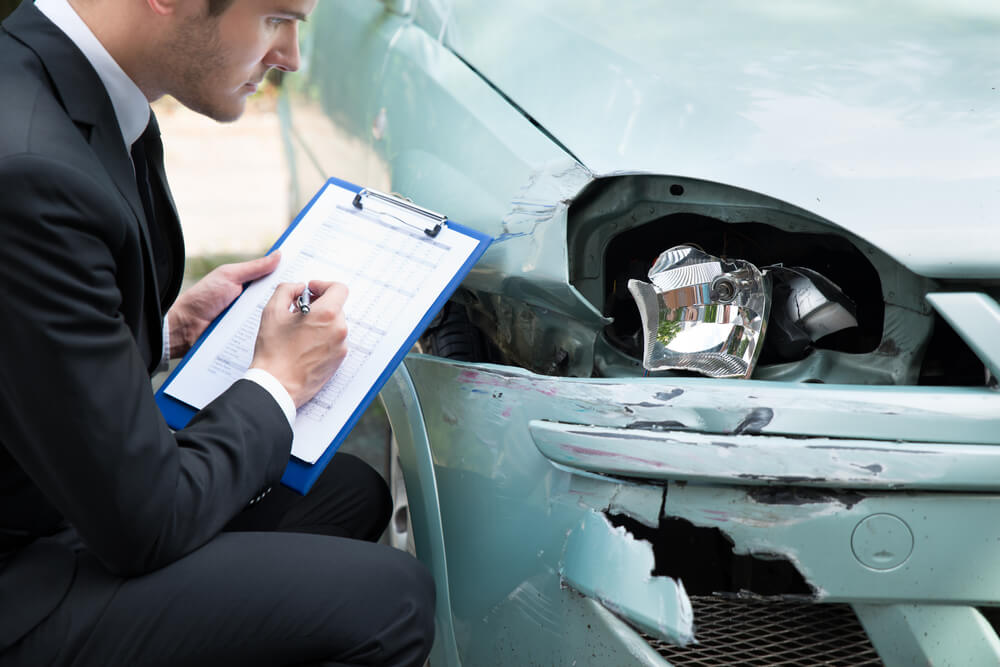
When a non-driver files a claim, the first question is who was responsible. Police reports, eyewitness accounts, and photos all help establish liability.
Often, more than one party shares fault. A passenger hurt in a two-car crash may have claims against both drivers’ insurers. In a rideshare or commercial vehicle crash, a company policy may also apply. Because a non-driver can end up dealing with several insurers at once, knowing which policies cover what matters quickly.
Insurance Options For Non-Drivers
The coverage available to you depends on the crash and the policies involved.
|
MedPay |
Passengers, pedestrians, cyclists | Medical bills and some lost income |
Lower coverage caps |
| Liability insurance | Injured third parties | Bodily injury and property damage | Pays only if the driver is at fault |
| UM/UIM | Victims of uninsured/underinsured drivers | Unreimbursed medical and wage losses | Must be in the policy unless waived |
| Health insurance | Any injured party | Medical costs | No coverage for pain and suffering |
Pedestrians make up a meaningful share of Louisiana’s roadway deaths each year, which shows how vulnerable non-drivers are and why these coverages matter.
Get Your Free Consultation
Steps to Take After a Crash as a Non-Driver
If you were hurt as a passenger, pedestrian, or cyclist, the first priority is your health. Get checked by a medical professional and follow the recommended treatment, even if your injuries do not seem serious right away.
Save the details while they are still fresh. Your medical visits, expenses, photos, witness information, and insurance conversations may help tell the full story of the accident later.
These details become especially important when more than one person or insurance policy is involved.
Common Myths About Non-Driver Claims
Myth: Only drivers can file an accident claim.
Fact: Passengers, pedestrians, and cyclists may have their own claims when they are injured.
Myth: A passenger is automatically covered for everything under the driver’s insurance.
Fact: Coverage depends on the insurance policy, available limits, and what happened in the crash.
Myth: A pedestrian or cyclist who made a mistake cannot recover anything.
Fact: Louisiana can apportion fault among the people involved. A person may still recover compensation if their share of fault is below 51%, although the amount may be reduced.
What Damages May Be Available?
The type of compensation available depends on the injury and the details of the crash.
A claim may include:
- Medical expenses: Treatment, rehabilitation, and future care related to the injury.
- Lost income: Wages missed during recovery or a reduced ability to earn in the future.
- Pain and suffering: The physical discomfort and emotional impact caused by the accident.
The amount depends on the evidence, the insurance available, and how responsibility for the crash is determined.
Frequently Asked Questions
Can passengers file a claim after a crash in Louisiana?
Yes. Passengers can file through the at-fault driver’s liability coverage or their own UM/UIM coverage.
Does comparative fault apply to passengers and pedestrians?
Passengers are usually not assigned fault unless their own actions contributed to the crash.
What if more than one driver was at fault?
You may have claims against each responsible driver’s insurer. Fault is divided based on each driver’s contribution to the crash.
What happens if the at-fault driver is uninsured?
Your UM/UIM coverage, or your health insurance, can help cover your losses.
How long do I have to file as a non-driver?
For crashes on or after July 1, 2024, generally two years from the date of injury (La. Civ. Code art. 3493.11).
Talk to a New Orleans Car Accident Lawyer
Being hurt as a passenger, pedestrian, or cyclist is disorienting, but you do not have to sort out the insurance maze alone. Alvendia, Kelly & Demarest help injured non-drivers across New Orleans understand their rights and pursue fair compensation.
Call (504) 200-0000 for a free consultation. No fee unless we win. Get in touch today.
Reviewed by J. Bart Kelly, III, Partner at Alvendia, Kelly & Demarest Law Firm.
Categories
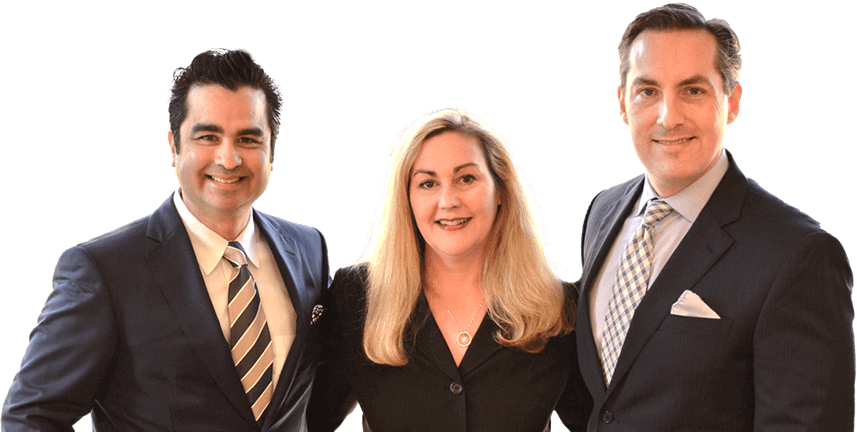
In 2003, after being dissatisfied with the quality of legal care for victims of car accidents, Roderick ‘Rico’ Alvendia sought to establish a new firm focused on providing high-quality legal services to aid injured victims and their families. J. Bart Kelly, sharing Rico’s passion for upholding justice, joined the firm later that year, and established a partnership.