
Partner at AKD Lawyers
Practice Areas: Personal Injury, Insurance Claims

Soon after a crash, an insurance adjuster may call and ask what happened. What you say during that first conversation can affect how the company handles your claim.
If you were injured, a top-rated New Orleans car accident lawyer can speak with the insurer for you. Before giving a detailed statement, it helps to know what the adjuster is looking for and why you should choose your words carefully.
What the Insurance Company Is Really Doing
The insurance company will investigate the crash and decide how much, if anything, it should pay. The adjuster may review the police report, inspect the damage, speak with witnesses, and ask you for a recorded statement.
Fault matters under Louisiana law. For crashes on or after January 1, 2026, La. Civ. Code art. 2323 reduces your compensation by your share of fault. You cannot recover if you are found 51% or more responsible. Even a small comment may be used to place more blame on you or reduce the value of the claim.
What to Say and What to Avoid
Keep the first conversation brief. You can confirm the date, time, location, and vehicles involved. Do not guess about speed, distance, fault, or anything you did not clearly see. Avoid apologizing or saying that you feel fine. Injuries may take time to appear, and a casual remark can later be used to question them.
Statements such as these can also create problems:
- “I didn’t see the other car.”
- “I may have been speeding.”
You do not have to give a detailed recorded statement before reviewing the crash and understanding your injuries. It is fine to say that you will provide more information after checking your records.

Common Mistakes Drivers Make
Some drivers weaken their claims without realizing it.
Common mistakes include:
- Giving a recorded statement too early
- Posting about the crash or injuries on social media
- Waiting too long to report the crash
- Failing to save medical records, photos, and other proof
Each of these makes a claim harder to prove. Knowing how adjuster tactics work, and resisting the urge to overshare, protects your position.
Get Your Free Consultation
How to Describe the Crash to Your Insurer
Explain what you personally saw and experienced. Include where and when the crash happened, the road and weather conditions, and the direction each vehicle was moving.
Leave out guesses such as “I think” or “it was probably my fault.” The evidence should decide who was responsible. Try to keep your account consistent with the police report and medical records.
Save your photos, repair estimates, medical bills, and witness information. These records can support your account if the insurer later questions the crash or your injuries.

Your rights during the claim process
You have specific rights under Louisiana law, including the right to:
- Decline a recorded statement to the other driver’s insurer
- Review and question any settlement offer
- Have your claim handled promptly and fairly
Most policies require you to report a crash within a day or two, so notify your own insurer quickly even as you stay careful about what you say.
| Step | Purpose | What to avoid |
|---|---|---|
| Report to your insurer | Start the claim quickly | Waiting too long to notify them |
| Gather and store records | Build a complete file | Guessing or altering facts |
| Respond factually | Keep the claim accurate | Speculating about injuries or fault |
| Review offers carefully | Cover your full losses | Accepting an early, low offer |
Before you accept any settlement, read the fine print. Once you sign, you usually give up the right to seek more later, even if your injuries turn out to be worse than they first seemed.
Frequently Asked Questions
Do I Have to Speak With the Other Driver’s Insurer?
No. You can decline to give a statement and direct the company to your insurer or lawyer.
What if I Already Said I Was at Fault?
One comment does not end the investigation. You can explain or correct what you said after reviewing the facts, preferably with legal guidance.
When Should I Report the Crash to My Insurer?
Report it as soon as you can. Many policies require notice within 24 to 48 hours, so check the terms of your coverage.
Can Social Media Hurt My Claim?
Yes. Photos, videos, or posts about your activities may be used to question your injuries or recovery.
Why Is the Adjuster Asking for a Recorded Statement?
The insurer uses it to collect information about the crash. However, an unclear or careless answer may later be used to reduce the value of your claim.
Talk to a New Orleans Car Accident Lawyer
Dealing with insurers takes patience and care, and one wrong sentence can cost you. If you were hurt in a crash in New Orleans, Alvendia, Kelly & Demarest can handle the insurance company and protect your recovery.
Call (504) 200-0000 for a free consultation. There is no fee unless we win. Get started today.


Categories
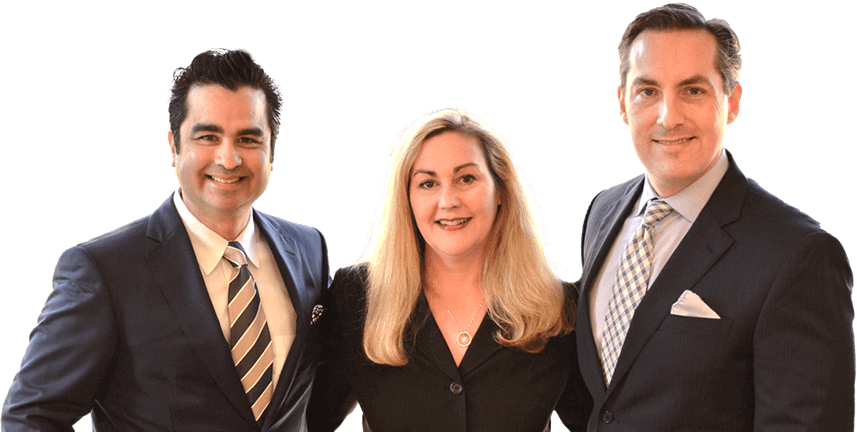
In 2003, after being dissatisfied with the quality of legal care for victims of car accidents, Roderick ‘Rico’ Alvendia sought to establish a new firm focused on providing high-quality legal services to aid injured victims and their families. J. Bart Kelly, sharing Rico’s passion for upholding justice, joined the firm later that year, and established a partnership.