

Partner at Alvendia, Kelly, and Demarest, LLC
Practice Area: Personal Injury
Recovering from an accident is difficult enough. The last thing anyone wants is to unintentionally damage their personal injury claim through small, avoidable mistakes. Many people are unaware that delays in treatment, missing documents, or even casual comments can weaken the entire claim. Understanding these pitfalls helps you protect your rights and keep the process on track.
This guide walks through the key mistakes people make, why they matter, and what you can do to avoid them. It is designed to be simple, action-oriented, and easy to follow.
Why Do Small Mistakes Have a Big Impact on a Personal Injury Claim?
Even strong personal injury claims can lose value when important steps are overlooked. Insurance companies rely heavily on records, timelines, and evidence. When there are gaps or errors, they may question the severity of injuries, deny parts of the claim, or challenge the connection between the accident and the injury.
People often face challenges because they lack clear information in the early days after an accident. Understanding how the claim process works helps prevent avoidable issues such as:
- Incomplete documentation
- Inconsistencies in medical records or statements
These factors make it easier for an insurer to argue against the claim, even when the injuries are legitimate.
“Delays in medical treatment or gaps in follow-up care can weaken the connection between the accident and the injury, making it harder to prove severity and causation.”
What Happens When You Delay or Interrupt Medical Treatment?
Seeking prompt medical care is one of the most important steps after an accident. Some injuries appear immediately, while others show symptoms later. Early evaluation creates a clear record showing when the injury began and how it has progressed.
Insurance reviews rely heavily on medical documentation. If there are long breaks between appointments or missed follow-ups, it may appear that the injury improved or was not as serious. Regular treatment also establishes a timeline that supports the claim.
Many people do not realize that delayed care can complicate the entire case. When documentation is inconsistent, the insurer may argue that a new activity or prior condition caused the injury.

How Does Poor Documentation Hurt an Injury Claim?
Keeping strong documentation is essential for protecting a personal injury claim. Many claims weaken simply because important details were not recorded or preserved at the time of the incident.
Photographs, videos, witness names, medical records, and written descriptions all help build a clear picture of what happened. These items are especially important when fault or injury severity is questioned. Small pieces of evidence often make a significant difference in disputed situations.
“Accident documentation, including photographs, medical records, and witness statements, often becomes the determining factor in disputed claims.”
Accurate records also shorten the claim timeline because fewer questions or clarifications are needed later. Strong evidence supports both the cause of the injury and the impact it has on a person’s daily life.
Get Your Free Consultation
Risks of Inconsistent or Premature Communications
After an accident, communication plays a major role in how the claim unfolds. Statements given in the early days are often reviewed in detail. Even casual remarks to an insurance adjuster can be misunderstood.
Recorded statements can be compared with later reports or medical notes. If there are differences, the insurer may question credibility. Social media posts can also create problems if they appear to show physical activity or well-being that contradicts the claimed injuries.
“Insurance companies routinely review recorded statements and social media activity for inconsistencies that may undermine a claimant’s credibility.”
Staying cautious with public conversations, recorded calls, and online activity helps prevent misunderstanding and protects the accuracy of the claim.

Is It a Mistake to Accept a Settlement Too Early?
Early settlement offers often appear helpful, especially when medical bills and lost income create stress. However, these offers rarely account for long-term needs such as ongoing treatment, therapy, or delayed symptoms.
Accepting a quick offer closes the claim permanently. Once an agreement is signed, it cannot be reopened, even if new complications appear. It takes time for some injuries to stabilize, and rushing the process can leave important costs uncovered.
Understanding the full impact of the injury helps ensure that future medical needs and financial losses are accurately considered.
What Timelines and Rules Should You Understand Before Filing?
Every personal injury claim must follow specific timelines. Missing a deadline can end the right to pursue compensation. These time limits vary by state, but for example, Louisiana has a one-year prescriptive period for personal injury actions under Civil Code Art. 3492.
“Louisiana’s one-year prescriptive period makes early attention to paperwork, documentation, and claim requirements especially important.”
Expert witnesses can also be helpful when the facts are complex. Medical professionals, accident reconstruction specialists, or economic experts explain details that are difficult to interpret on paper.
Their insights can clarify how the accident happened, how severe the injuries are, and how the injury may affect long-term well-being.
Common Pitfalls and Their Impact on a Personal Injury Claim
|
Mistake |
Why It Weakens a Claim |
How to Avoid It |
| Delayed medical care | Makes it harder to prove injuries | Seek evaluation immediately |
| Missing documentation | Creates gaps in the evidence | Photograph, record, save everything |
| Inconsistent statements | Raises credibility concerns | Keep descriptions accurate and consistent |
| Early settlement acceptance | Ignores long-term needs | Understand full injury impact first |
| Not disclosing pre-existing conditions | Causes disputes about causation | Be transparent with doctors |
| Social media posts | Can be misinterpreted | Limit online activity |
| Missing deadlines | Can end the claim entirely | Track all dates and requirements |
FAQs
What are the first steps to take after an accident to avoid weakening a personal injury claim?
Seek medical care, gather evidence, write down details, and keep all records organized so the claim remains accurate and consistent.
How does social media affect a personal injury claim?
Posts and photos can be misinterpreted, so limiting activity helps avoid misunderstandings that affect the claim’s credibility.
Why is medical documentation important in personal injury cases?
Medical records show when the injury began, how it progressed, and how it affects daily life, which is essential for claim evaluation.
What happens if someone accepts an early settlement offer?
Once accepted, the claim closes permanently, even if medical costs increase or new symptoms appear later.
How do inconsistent statements affect a claim?
Differences between reports, statements, or medical notes can raise questions about accuracy, which weakens the overall claim.
Why is understanding the statute of limitations important?
Missing the filing deadline can prevent the claim from moving forward, even if the injuries are serious.
Conclusion
Avoiding common mistakes after an accident makes a significant difference in how smoothly a personal injury claim progresses. Timely medical care, strong documentation, careful communication, and awareness of deadlines all help protect your rights and strengthen your claim.
If you want guidance through the process or have questions about your situation, the team at Alvendia, Kelly & Demarest Law Firm is here to help. Our team of New Orleans personal injury lawyers can review your case, explain your options, and support you in understanding the path forward.
Reach out for a free consultation to understand your best next steps.

Categories
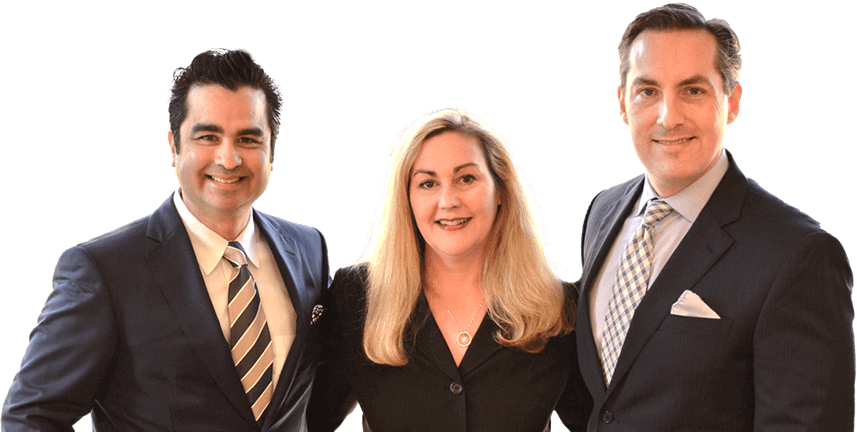
In 2003, after being dissatisfied with the quality of legal care for victims of car accidents, Roderick ‘Rico’ Alvendia sought to establish a new firm focused on providing high-quality legal services to aid injured victims and their families. J. Bart Kelly, sharing Rico’s passion for upholding justice, joined the firm later that year, and established a partnership.