
Partner at AKD Lawyers
Practice Areas: Personal Injury
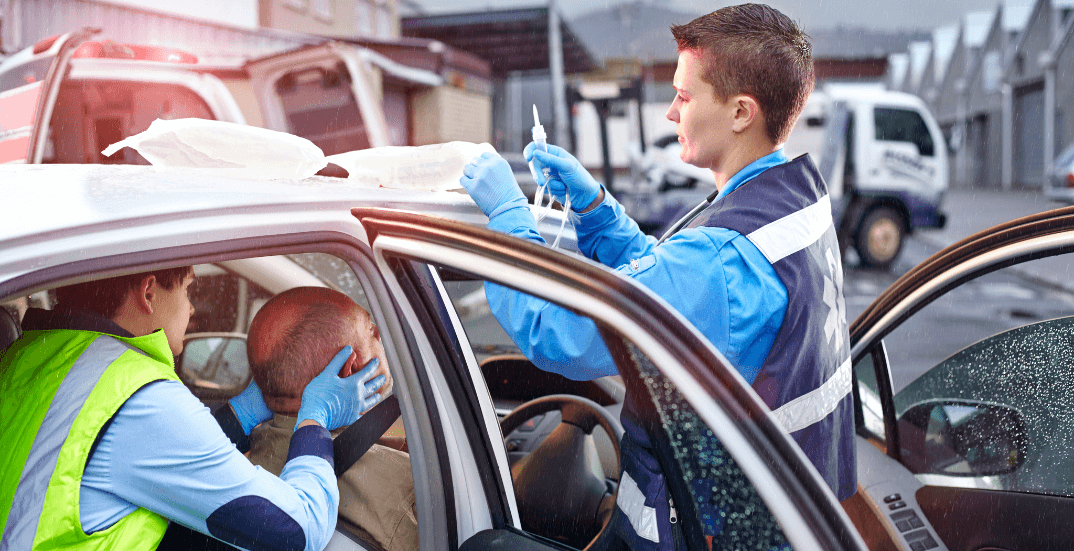
As people age, driving often remains a symbol of independence. Yet, with aging come changes in vision, reflexes, and cognition that can impact safety on the road. Families and older adults alike face difficult questions: when does driving become unsafe, and who is legally responsible if an elderly driver causes an accident?
This article explores elderly driver liability, state regulations, and family responsibility under Louisiana law, offering practical insights for readers without any commercial bias.
Understanding Liability When an Elderly Driver Causes an Accident
Liability means legal responsibility for causing harm or damage. In Louisiana, determining liability in an accident involving an elderly driver depends on fault and negligence rather than age.
If an older driver fails to yield, misjudges speed, or becomes disoriented, they can be found negligent like any other driver. However, these cases can be complex. Insurance companies sometimes argue that injuries were pre-existing or that age-related conditions not the crash caused the outcome.
Key Legal Concepts
- Comparative Fault (La. Civ. Code Art. 2323): Louisiana follows a comparative fault system. If an elderly driver is partly at fault, their recovery is reduced by their percentage of fault.
- Causation Challenges: Lawyers and insurers often examine whether an injury was truly caused by the accident or by prior medical issues, such as arthritis or degenerative spine conditions.
Louisiana Civil Code Article 2315: “Every act whatever of man that causes damage to another obliges him by whose fault it happened to repair it.”
This statute underlines how fault, not age, determines liability in Louisiana.

Negligent Entrustment and Family Responsibility
Many families worry about their loved one’s safety behind the wheel. Generally, adult children are not legally responsible for accidents caused by their elderly parents. However, negligent entrustment is an important exception.
If a family member knowingly allows an elderly driver who is medically unfit or unsafe to drive, they can share liability.
This might occur if:
- The driver has been diagnosed with dementia or severe vision loss.
- There is a history of multiple accidents or near misses.
- The family ignored clear warnings from doctors or the Department of Motor Vehicles.
Courts consider whether the person should have known the driver posed a danger. Louisiana courts, such as in Edwards v. Horstman (792 So.2d 700, La. 2001), have emphasized the duty of care owed by those who can prevent foreseeable harm.
If you’re trying to understand how New Orleans car accident lawyers handle cases involving elderly drivers, it often comes down to careful investigation.
Attorneys examine medical records, driving history, and eyewitness accounts to determine whether negligence or medical impairment contributed to the collision.
State Regulations for Elderly Drivers in Louisiana
Louisiana’s licensing rules for senior drivers focus on ability, not age discrimination. The Department of Public Safety and Corrections requires all drivers, regardless of age, to pass a vision test during renewal.
Key Requirements
- License renewal every six years.
- In-person renewals are required for drivers over 70.
- Vision screening at each renewal.
- Physicians may report impairments affecting safe driving.
Unlike some states, Louisiana does not mandate cognitive testing or impose automatic age-based restrictions. However, local offices can request medical documentation or re-examination if a driver’s ability is questioned.
Public Safety Data: Louisiana requires vision screening for all license renewals, but physicians can report impairments that may affect driving safety.
Compared with neighboring states, Texas requires vision testing after age 79, and Mississippi allows mail renewals until age 75 highlighting Louisiana’s balanced approach.
Insurance and Damages in Senior Driver Accidents
Insurance companies often scrutinize accidents involving elderly drivers more closely. They may attempt to link injuries to prior health issues, complicating compensation claims.
When elderly individuals are injured, damages may be evaluated differently:
- Life Expectancy: Courts consider expected remaining lifespan when calculating future losses.
- Earning Capacity: Since many seniors are retired, compensation for lost income may be minimal.
- Non-Economic Losses: Emotional distress, pain, and suffering remain compensable regardless of age.
Accurate medical documentation and eyewitness accounts become crucial in proving that the accident not pre-existing conditions caused the injuries.
CDC Fact (2024): Drivers aged 85 and older have the highest crash fatality rate per mile driven, despite being less likely to speed or drive under the influence.
Balancing Safety and Independence
Helping elderly drivers transition away from the road is never easy. The goal is not to take away independence but to ensure safety for the driver and others.
Families can take simple, respectful steps:
- Schedule regular vision and medical checkups.
- Monitor driving habits for warning signs like delayed reactions or confusion.
- Explore alternatives such as community transport or rideshare programs.
Ethical Perspective: The law aims to protect both elderly drivers and the public by ensuring capability, not by discriminating based on age.
Open conversations about driving can prevent accidents and preserve dignity. Medical professionals can provide driving fitness evaluations, and families can plan gradual adjustments.
Comparison of Accident and Licensing Data by Age Group
| Age Group | Accident Rate per 100k Drivers | Fatal Crash Likelihood | License Renewal Rules (LA) |
| 16–20 | High | Moderate | 4 years, vision test |
| 21–64 | Moderate | Low | 6 years |
| 65–79 | Similar to 30–49 group | Higher injury severity | 6 years, vision test |
| 80+ | Highest | Highest fatality rate | 6 years, in-person renewal |
This comparison shows that while accident frequency stabilizes for many older drivers, injury severity and fatality risk rise with age.
Frequently Asked Questions
Are elderly drivers automatically considered at fault in accidents?
No, liability depends on negligence and evidence. Age alone does not determine fault in Louisiana accident cases.
Can adult children be legally responsible for an elderly parent’s car accident?
Only if they knowingly let an unsafe or unfit parent drive, creating negligent entrustment liability.
How does Louisiana law handle reduced damages due to an elderly person’s age?
Courts may adjust awards for life expectancy, but emotional and physical suffering remain compensable.
What are Louisiana’s licensing requirements for elderly drivers?
Drivers must renew every six years, pass a vision test, and may be referred for medical review if issues arise.
What signs indicate an older adult may no longer drive safely?
Frequent near-misses, getting lost, confusion at intersections, or slow responses while driving.
What should families do if concerned about an elderly loved one’s driving?
Encourage medical evaluation, suggest driving tests, and discuss transportation alternatives calmly.
Conclusion
Driving represents freedom for many seniors, but safety must come first. Louisiana law focuses on capability and fairness, holding drivers accountable for negligence not their age. Families should stay alert to changes in ability, explore safe mobility options, and seek accurate information on legal responsibilities.
If an elderly loved one has been involved in an accident, Alvendia, Kelly & Demarest Law Firm can help you understand your rights, evaluate liability, and guide you through the next steps.
Schedule a free consultation to discuss your situation and protect your family’s best interests.


Categories
In 2003, after being dissatisfied with the quality of legal care for victims of car accidents, Roderick ‘Rico’ Alvendia sought to establish a new firm focused on providing high-quality legal services to aid injured victims and their families. J. Bart Kelly, sharing Rico’s passion for upholding justice, joined the firm later that year, and established a partnership.