
Partner at AKD Lawyers
Practice Areas: Personal Injury
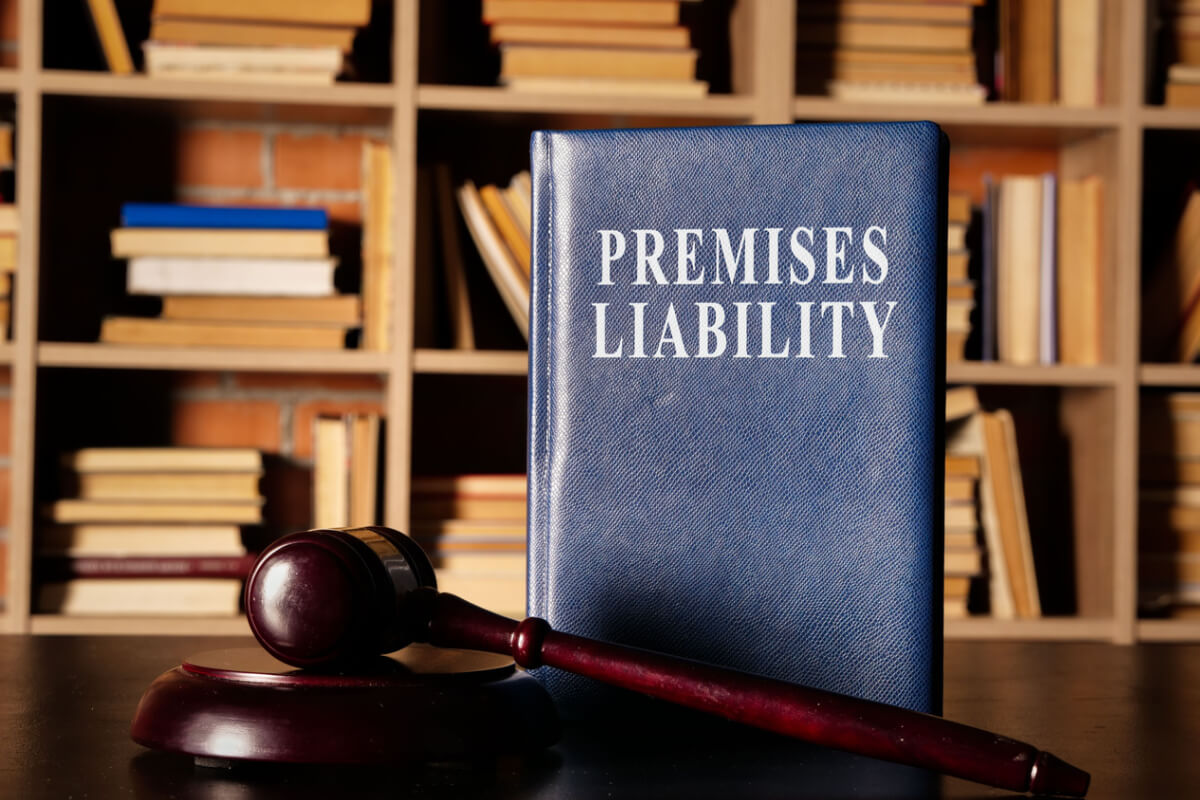
Unsafe property conditions and preventable security failures can expose visitors to unnecessary risks. In Louisiana, negligent security falls under premises liability, which focuses on the responsibility property owners have to maintain reasonably safe environments.
If you or someone close to you has been harmed because a property lacked basic safety measures, speaking with a New Orleans personal injury attorney can help you understand your rights and what steps may come next.
Understanding how these incidents are evaluated helps visitors know what safety measures to expect and what steps to take when something goes wrong.
This guide explains negligent security in simple terms, outlines Louisiana’s legal framework, and highlights common situations where safety lapses occur.
Understanding Negligent Security and Premises Safety Obligations
Negligent security refers to situations where someone is harmed because a property lacked basic, reasonable security measures. It is a part of premises liability, which covers a property owner’s responsibility to prevent foreseeable harm.
These safety responsibilities apply to many locations, including apartment complexes, hotels, retail stores, parking garages, entertainment venues, office buildings, and residential properties.
Unsafe property conditions and inadequate security measures often contribute to avoidable incidents such as physical assaults, theft, falls, or other preventable injuries.
Louisiana Civil Code Article 2315: “Every act whatever of man that causes damage to another obliges him by whose fault it happened to repair it.”
Louisiana Civil Code Article 2322: Property owners may be responsible for injuries caused by defects in a building when they knew or should have known of the hazard.
Visitors generally expect properties to have functioning lighting, controlled access points, clear walkways, and minimal environmental hazards. When owners ignore known problems, the risk of harm increases.
Legal Duties of Property Owners Under Louisiana Law
Louisiana requires property owners to take reasonable steps to protect people lawfully on their property. This duty includes maintaining the structure, monitoring safety conditions, and taking action when hazards or security concerns become apparent.
These responsibilities are influenced by several factors:
- The type of visitor on the property, such as a tenant, customer, or invited guest.
- The nature of the property and whether criminal activity is foreseeable in the area.
- Whether similar incidents have happened before or been reported.
If an owner knows about a recurring hazard, ignores broken locks, fails to repair long-standing lighting issues, or neglects basic monitoring, they may be considered negligent.
Reasonable security does not require extraordinary measures, but it does require a basic level of care that reflects the environment and potential risks.
Common Situations Where Negligent Security Issues Arise
Negligent security can occur in many everyday locations.
Some common scenarios include:
- Apartment complexes with malfunctioning gates or broken locks that allow unauthorized access.
- Hotels or motels with dark parking lots, non-working cameras, or missing surveillance in high-traffic areas.
- Nightclubs or bars that lack trained staff, crowd control, or proper entry monitoring.
- Retail stores and businesses with poor lighting, blocked exits, or neglected maintenance areas.
- Parking garages where stairwells and walkways remain dim or unsecured for long periods.
- Construction sites that fail to use fencing or warning signs, exposing visitors or passersby to preventable dangers.
These examples represent frequent hazards that can lead to injuries when property owners do not take simple steps to reduce known risks.
How Unsafe Conditions Are Evaluated in Negligent Security Incidents
Evaluating negligent security involves looking closely at why the incident occurred and whether it could have been prevented.
The review typically focuses on:
- Whether the property had a pattern of complaints, thefts, break-ins, or disturbances.
- Whether the hazard existed long enough for the owner to recognize and fix it.
- Whether reasonable safety protocols were in place for the type of property.
- Whether lighting, locks, gates, or surveillance were working properly.
- Whether the owner received warnings from tenants, customers, or staff before the incident.
Foreseeability is a major factor in negligent security analysis. If a hazard or pattern of incidents was known or should have been known, preventive measures are expected.
This helps determine whether the owner acted reasonably or ignored warning signs that could expose visitors to harm.
Evidence Commonly Used to Understand Negligent Security Incidents
Certain types of evidence are often useful for understanding how an incident happened and whether unsafe property conditions played a role.
Common examples include:
- Photos or videos showing lighting conditions or broken access points.
- Camera footage showing the incident or the area where it occurred.
- Police reports documenting the event or past incidents.
- Maintenance records showing delays or repeated problems.
- Witness statements describing the safety conditions.
- Medical documentation that shows the extent of injuries.
- Crime history data for the immediate surroundings.
This type of evidence helps illustrate whether safety lapses contributed to the harm.
Comparative Fault and How It Affects Premises Incidents in Louisiana
Louisiana follows a comparative fault system. This means multiple parties can share responsibility for an incident. If a visitor contributed to the situation in any way, their compensation may be reduced by their percentage of fault.
The key question is whether the property owner’s failure to address security problems or hazards was a significant factor.
Louisiana Civil Code Article 2323 allows the court to assign percentages of fault to all parties involved, including the injured person.
Understanding this rule helps explain how premises liability cases are evaluated in Louisiana.
Preventive Safety Measures Visitors Should Be Aware Of
Visitors and residents can take simple steps to stay aware of their surroundings and identify unsafe conditions. While these actions do not eliminate risk, they can help people recognize potential problems early.
Practical safety considerations include:
- Being cautious in areas with poor lighting or reduced visibility.
- Noticing broken locks, malfunctioning gates, or unsecured access points.
- Looking for blocked exits, cluttered walkways, or structural defects.
- Reporting obvious hazards to building management when possible.
- Staying aware of posted warnings or construction signs.
Being observant can help visitors avoid risky situations and document unsafe property conditions when necessary.
Table: Common Negligent Security Hazards and Safety Implications
|
Hazard |
Safety Risk Created |
Examples of Preventive Measures |
| Broken locks or gates | Unauthorized entry | Routine maintenance and replacing worn hardware |
| Poor lighting | Reduced visibility and increased risk of crime | Regular inspection and bulb replacement |
| Lack of surveillance | Gaps in security monitoring | Installing or repairing cameras |
| Untrained staff | Slow response to incidents | Staff training and clear safety protocols |
| Unsecured construction zones | Falls, injuries, or unauthorized access | Fencing, signage, and restricted access controls |
Frequently Asked Questions
What makes negligent security different from general premises liability?
Negligent security deals specifically with preventable harm caused by missing or inadequate security measures rather than structural hazards.
How does foreseeability affect negligent security cases?
Foreseeability examines whether the owner should have recognized a security risk based on past incidents or obvious safety issues.
What are common property conditions that contribute to negligent security incidents?
Frequent issues include poor lighting, broken locks, lack of surveillance, restricted visibility, and ignored maintenance problems.
What should someone document after an incident involving unsafe conditions?
Photos, videos, medical records, incident reports, and witness statements help clarify what happened and why.
Are property owners always responsible for criminal acts on their property?
Responsibility depends on whether the harm was foreseeable and whether the owner failed to take basic preventive steps.
Conclusion
Negligent security and unsafe property conditions can expose visitors to risks that could have been prevented with simple safety measures. Understanding how Louisiana law views premises safety, foreseeability, and comparative fault helps individuals recognize what property owners are expected to do to maintain a safe environment.
If you or someone you know was harmed because a property failed to provide reasonable security, the next step is learning your rights and understanding how the incident may be evaluated under Louisiana law. For clear guidance and support, Alvendia, Kelly & Demarest Law Firm offers free consultations to help you move forward with confidence.

Categories

In 2003, after being dissatisfied with the quality of legal care for victims of car accidents, Roderick ‘Rico’ Alvendia sought to establish a new firm focused on providing high-quality legal services to aid injured victims and their families. J. Bart Kelly, sharing Rico’s passion for upholding justice, joined the firm later that year, and established a partnership.