Partner at AKD Lawyers
Practice Areas: Personal Injury, Insurance Claims
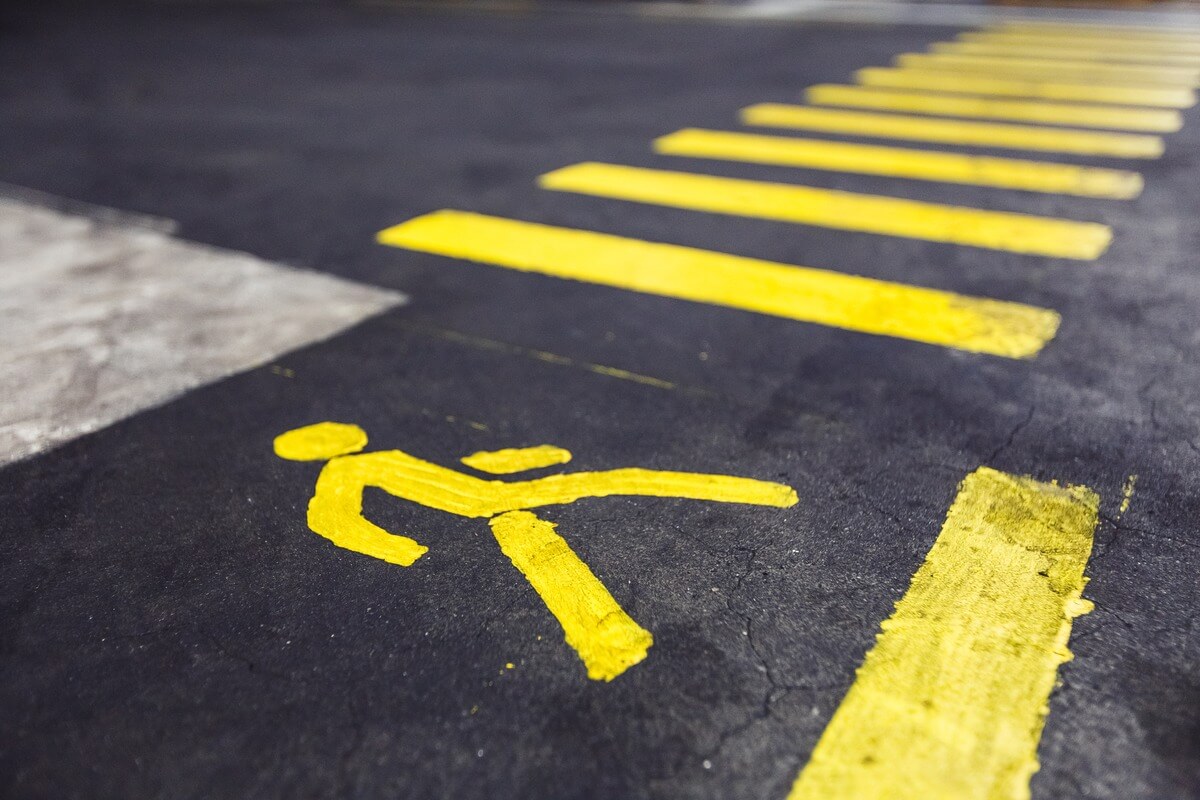
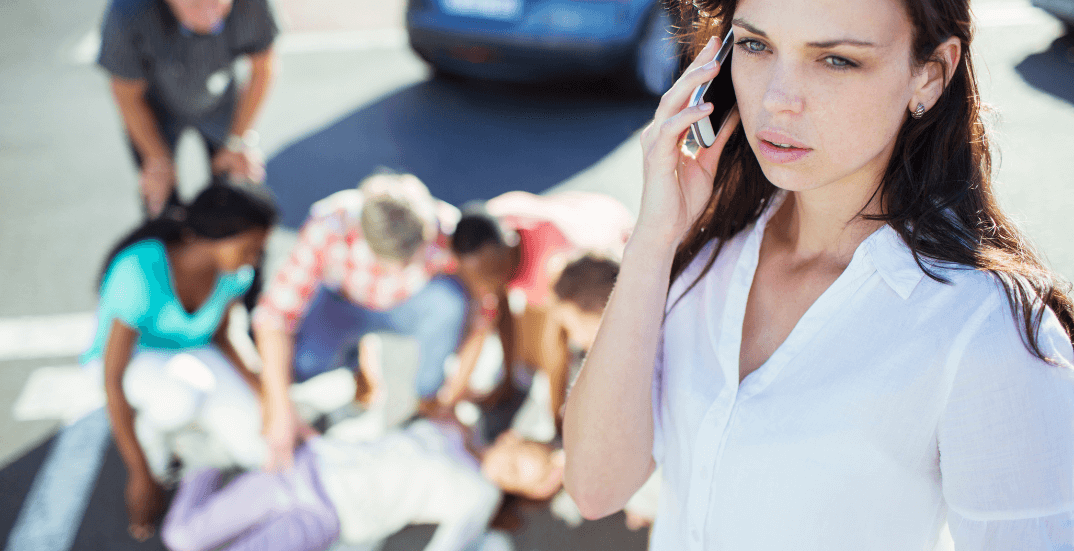
Walking through Louisiana’s cities like New Orleans, Baton Rouge, and Lafayette can be part of daily life. From lively neighborhoods to busy intersections, pedestrians and drivers share the same spaces. Unfortunately, this also means a higher risk of pedestrian accidents. These incidents often lead to serious injuries, costly medical bills, and emotional stress for everyone involved.
Understanding what causes pedestrian accidents in Louisiana helps people stay safe and know their rights. This guide explains the leading causes, key state laws, and what both pedestrians and drivers can do to prevent tragedies.
The Leading Causes of Pedestrian Accidents in Louisiana
Below are the most common factors contributing to pedestrian injuries and fatalities across the state, supported by recent data and Louisiana law.
Distracted Driving
Distracted driving is one of the most common reasons pedestrians get hurt. Whether it’s texting, adjusting a GPS, or talking to passengers, distractions reduce a driver’s ability to react quickly. When a driver looks away for even a few seconds, they might miss someone crossing or walking near the road.
Louisiana has seen a sharp increase in distracted driving incidents, especially in high-traffic areas. A quick text or call might seem harmless, but it can change lives in an instant.
According to the Governors Highway Safety Association (2024): Louisiana ranks among the top 10 U.S. states for pedestrian fatalities per capita.
Impaired Driving
Alcohol and drugs significantly slow reaction times, blur vision, and affect judgment. An impaired driver might not see a pedestrian until it’s too late. Drunk driving remains one of the top causes of fatal pedestrian crashes in Louisiana.
Pedestrians under the influence also face higher risks because they may cross at unsafe spots or misjudge vehicle speeds. Staying sober and alert, whether behind the wheel or on foot, can save lives.
Every two minutes, someone is injured in a drunk driving accident in the U.S. (NHTSA)
Jaywalking and Visibility Issues
Not every accident happens at a marked crosswalk. Many occur when people cross in the middle of a street, especially at night. Wearing dark clothes and crossing where drivers don’t expect pedestrians makes it hard for motorists to react in time.
Under Louisiana Revised Statutes § 32:212, pedestrians have the right of way at marked crosswalks, but drivers must always exercise due care. That means even if someone crosses outside a crosswalk, a driver still has a duty to avoid hitting them.
Speeding and Aggressive Driving
Speeding and aggressive driving multiply the danger. A speeding car covers more distance before stopping, and the higher the speed, the more severe the impact. In neighborhoods, near schools, and downtown areas, even a small speed increase can mean the difference between a close call and a tragedy.
Ignoring traffic lights, failing to yield, or rushing through intersections adds to the danger. A calm, cautious approach on the road protects both drivers and pedestrians.

Poor Weather and Low Visibility
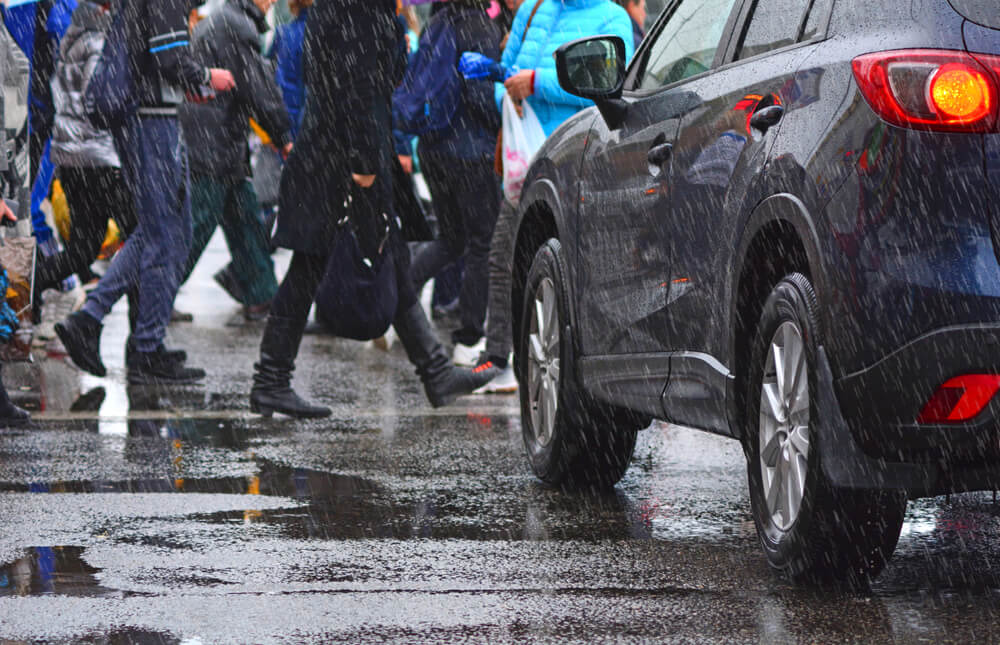
Louisiana’s unpredictable weather, rain, fog, and dimly lit streets creates more risks for pedestrians. Slippery roads reduce control, and headlights might not illuminate people wearing dark clothing. More than 60 percent of pedestrian fatalities occur at night, and about 75 percent happen at non-intersections.
Even careful drivers can struggle to see clearly in bad weather. Pedestrians can improve safety by wearing reflective or light-colored clothing and crossing only at well-lit intersections.
NHTSA Data (2023): More than 60% of pedestrian fatalities occur at night, with 75% happening at non-intersections.
What Louisiana Law Says About Pedestrian Rights and Driver Responsibilities
Louisiana law clearly defines how drivers and pedestrians must share the road. Drivers are expected to remain alert, yield at crosswalks, and avoid reckless behavior. Pedestrians, on the other hand, must cross at designated areas and obey signals.
The state also follows a comparative fault system, which means more than one person can be partly responsible for an accident.
Louisiana Civil Code Article 2323: Comparative fault allows recovery even when both driver and pedestrian share responsibility.
If a pedestrian is found 30 percent at fault for jaywalking, they can still recover 70 percent of damages from the driver. This rule encourages everyone to act responsibly while ensuring fair outcomes.
Key Statistics and Trends
Pedestrian accidents in Louisiana have steadily increased over the past few years. In 2023 alone, over 180 pedestrian deaths were reported statewide. Most incidents occur in urban areas like New Orleans, where tourism and heavy foot traffic create dense street environments.
Comparatively, Louisiana’s pedestrian fatality rate is among the highest in the country. Many of these crashes involve speeding, impaired driving, or nighttime visibility issues. Understanding these patterns helps communities focus on prevention and infrastructure improvement.
Get Your Free Consultation
How to Stay Safe on Louisiana Roads
Safety is a shared responsibility. Both pedestrians and drivers can take small steps to prevent accidents.
Pedestrians should:
- Use sidewalks and crosswalks whenever possible.
- Avoid distractions such as texting or wearing headphones while walking.
- Make eye contact with drivers before crossing.
Drivers should:
- Slow down in residential zones and near schools.
- Avoid using mobile devices while driving.
- Always yield to pedestrians in crosswalks.
Being alert and courteous goes a long way in preventing serious injuries.
Understanding Fault in Pedestrian Accidents
Determining fault isn’t always simple. In many cases, police reports, witness statements, and video footage are used to figure out who is responsible. A driver might be liable for speeding or ignoring signals, while a pedestrian might share blame for crossing carelessly. Sometimes, poor road design or missing signs can make a city or contractor responsible.
When fault is unclear, experienced professionals like a New Orleans pedestrian accident lawyer can help interpret how Louisiana’s comparative fault rules apply in specific cases.
Common Pedestrian Accident Scenarios and How Louisiana Law Assigns Fault
|
Scenario |
Primary Cause | Applicable Louisiana Law |
Fault Distribution Example |
| Pedestrian hit at crosswalk | Distracted driving | RS 32:212 | Driver 100% |
| Jaywalking at night | Low visibility, pedestrian negligence | Civil Code Art. 2323 | Driver 70%, Pedestrian 30% |
| Vehicle loses control in rain | Speeding in poor weather | Duty of Care | Driver 100% |
| Construction detour forces pedestrian into street | Poor signage | Negligence | City or Contractor Liability |
FAQs
Who is usually responsible for a pedestrian accident in Louisiana?
Drivers are often responsible, but pedestrians may share fault depending on where and how the accident occurred.
What does comparative fault mean for pedestrians?
It means pedestrians can still recover damages even if partly at fault, but their compensation is reduced proportionally.
Are nighttime accidents treated differently?
Not legally, but darkness and visibility conditions are major factors when determining fault.
What should pedestrians do to stay safe in traffic-heavy areas?
Follow signals, wear visible clothing, and avoid distractions while walking or crossing.
Can road design or poor lighting affect liability?
Yes. Cities or contractors may share liability if unsafe infrastructure contributed to the accident.
What laws protect pedestrians in Louisiana?
Louisiana RS 32:212 and Civil Code Article 2323 outline pedestrian rights and driver responsibilities.
Conclusion
Pedestrian safety in Louisiana depends on awareness and respect from both drivers and walkers. Most accidents happen because of distraction, impairment, or poor visibility factors that can be prevented with simple caution.
If you or someone you love has been involved in a pedestrian accident, Alvendia, Kelly & Demarest Law Firm can explain your legal options and help you understand your rights.
Reach out today for a free consultation and learn how their experienced team can guide you through the process.
Categories
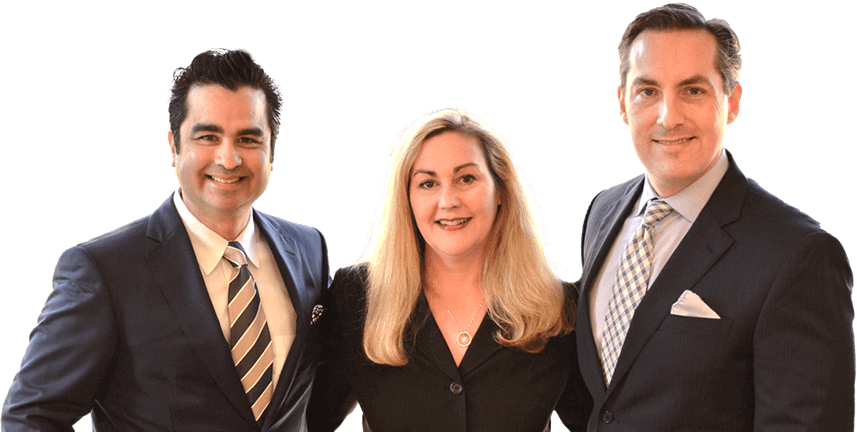
In 2003, after being dissatisfied with the quality of legal care for victims of car accidents, Roderick ‘Rico’ Alvendia sought to establish a new firm focused on providing high-quality legal services to aid injured victims and their families. J. Bart Kelly, sharing Rico’s passion for upholding justice, joined the firm later that year, and established a partnership.