
Partner at AKD Lawyers
Practice Areas: Insurance Claims
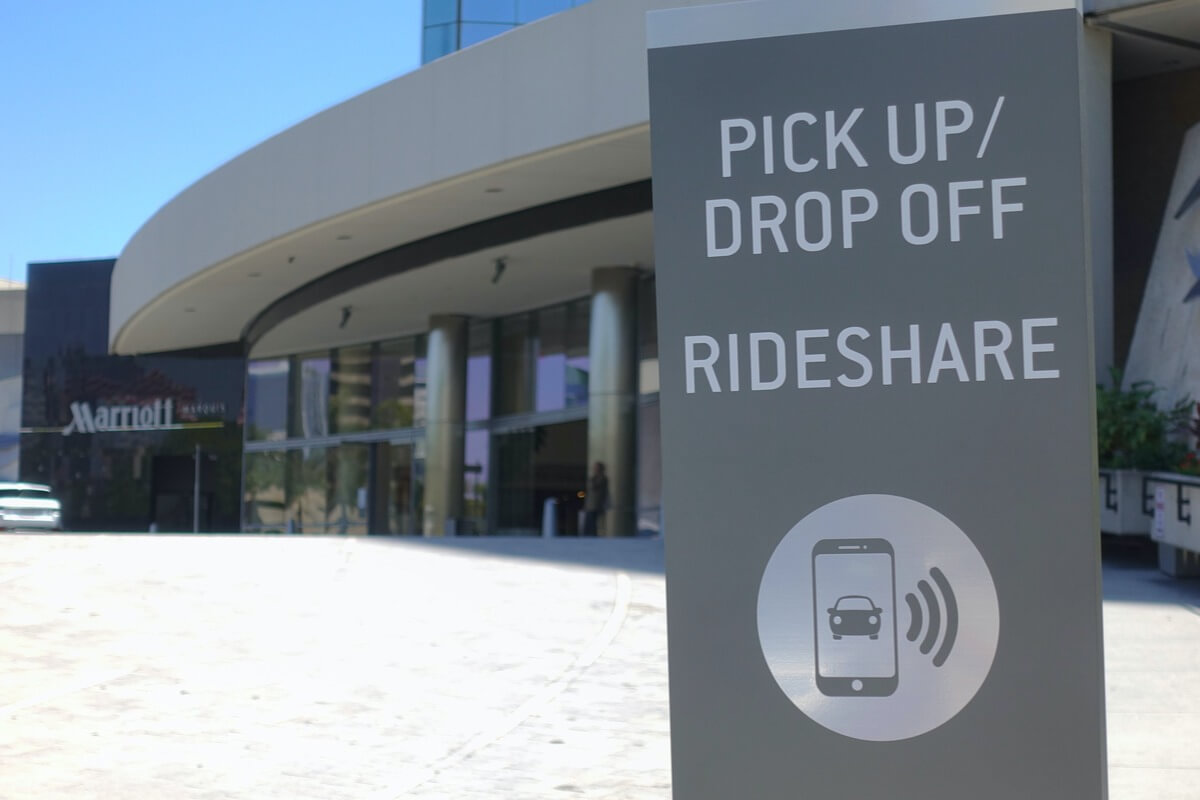
Traveling around New Orleans often means relying on taxis, Uber, or Lyft. These services are convenient, but when an accident happens, understanding what comes next can be confusing. A rideshare or taxi crash doesn’t follow the same process as a typical vehicle collision. There are more parties involved, different insurance structures, and specific Louisiana rules that affect how these situations are handled.
This guide breaks down the essentials in clear language, helping you understand how these incidents work, what Louisiana law says, and what steps are important right after the crash.
Overview of Taxi and Rideshare Accidents in New Orleans
New Orleans has heavy rideshare activity, especially during festivals, parades, tourism seasons, and large events. With that much traffic, accidents involving Uber, Lyft, and taxi vehicles are not uncommon.
What makes these incidents different are the layers of responsibility. Unlike a regular crash between two personal vehicles, taxi and rideshare incidents may involve:
- The passenger
- The driver
- The rideshare platform or taxi company
- Another motorist or pedestrian
- Multiple insurance carriers
Understanding how these pieces fit together helps make sense of how these cases move forward.
Common Factors That Lead to Rideshare and Taxi Crashes
Rideshare and taxi drivers operate under unique pressures. Many work long hours, rush between pickups, and rely on apps that demand constant attention. Several factors contribute to these accident risks:
Driver fatigue is common because drivers often work extended shifts, especially during peak demand. Tired drivers react slower and make more errors.
Distractions also play a role. Rideshare drivers depend on navigation apps, ride notifications, and phone screens, which can take their attention away from traffic. Taxi drivers, too, juggle communication systems and street searches.
Other contributing factors include:
- Irregular vehicle maintenance schedules
- Speeding or aggressive driving in busy tourist corridors
New Orleans traffic patterns, narrow streets, and frequent construction zones can also increase the chance of a crash.

Understanding Liability in Louisiana for Rideshare and Taxi Incidents
Liability is one of the most complicated parts of a rideshare or taxi incident. Unlike traditional collisions, responsibility is not always straightforward.
Taxi companies usually employ their drivers. If a taxi driver causes a crash while working, the company can be held responsible because the driver is acting within their employment role.
Rideshare companies treat drivers as independent contractors. This distinction affects when the company can be held responsible. However, liability may still fall on the rideshare platform if its system, policies, or oversight contributed to the situation. Louisiana’s comparative fault law also affects how responsibility is shared.
Louisiana’s comparative fault law can reduce recoverable damages based on the percentage of fault assigned to each party.
In some cases, another driver, a pedestrian, or even a mechanical failure may have played a role. This is why documenting the driver’s app status and collecting accurate details is essential.
Louisiana’s Insurance Requirements for Rideshare Accidents
Understanding insurance is key, especially because rideshare coverage depends on the driver’s app status. Louisiana has detailed Transportation Network Company (TNC) rules to protect passengers.
When a rideshare driver is actively transporting a passenger, Louisiana requires at least one million dollars in liability insurance from the TNC.
Here’s how coverage generally works:
- If the driver is offline, only personal insurance applies.
- If the driver is logged in and waiting for a ride, limited TNC insurance applies.
- If the driver is en route to pick someone up, higher coverage kicks in.
- If the passenger is in the vehicle, the full one-million-dollar coverage applies.
App timestamps, trip logs, and ride receipts become important evidence because they show exactly which insurance tier applies.
Steps to Take After a Rideshare or Taxi Accident
The moments after an accident can feel overwhelming, but taking a few steady steps helps protect your wellbeing and ensures the facts are documented clearly.
Start with a medical check. Some injuries don’t appear immediately. A medical record created early helps connect symptoms to the crash. Report the incident to the police and also through the app if it involves a rideshare. Taxi companies often require their own report as well.
Gather information before leaving the scene. Save photos, ride receipts, screenshots of driver information, and trip details. If there are witnesses, collect their names if possible.
Preserve communication from the app or company. Geolocation data, ride timestamps, and digital notifications often become important later.
Rideshare insurance coverage depends on the driver’s app status at the time of the collision, which is often verified through digital trip logs.
What Types of Losses May Arise After an Accident
A rideshare or taxi crash can bring many unexpected challenges. Some people need immediate treatment, while others face ongoing issues that disrupt daily routines. Losses may include medical expenses, reduced work hours, long-term physical discomfort, property damage, and emotional stress related to the event.
These situations affect each person differently. Understanding how these impacts develop helps individuals maintain complete records and track the full scope of their recovery needs over time.

How Rideshare vs. Taxi Incidents Differ in Louisiana
Although both involve paid transportation, the rules governing them are not the same. Taxis operate under local regulations set by the city. Their vehicles must meet specific standards, and drivers undergo city licensing.
Rideshare companies follow statewide TNC regulations, such as Louisiana’s Act 286, which sets insurance requirements and operational rules.
Here is a clear comparison:
Insurance Structure for Taxi and Rideshare Vehicles in Louisiana
|
Factor |
Taxi |
Uber/Lyft |
| Driver Status | Employee | Independent contractor |
| Insurance | Commercial taxi policy | Coverage changes by app status |
| During Passenger Trip | Commercial coverage | One-million-dollar TNC coverage |
| Regulation Type | City taxi ordinances | Statewide Act 286 |
| Reporting | Company plus police | App report plus police |
These differences affect how incidents are investigated, documented, and processed.
Frequently Asked Questions
How do rideshare insurance tiers work in Louisiana?
Coverage changes based on whether the driver is offline, waiting for a ride, on the way to a pickup, or carrying a passenger.
What makes rideshare accidents more complicated than normal crashes?
They involve multiple parties, layered insurance, app timestamps, and contractor-driver rules.
Are taxi regulations different from Uber and Lyft rules?
Yes. Taxi rules follow city licensing, while rideshares follow statewide TNC laws.
What information should passengers save after a crash?
Photos, trip receipts, app screenshots, driver details, and the police report number.
How does comparative fault affect rideshare incidents?
Each party may share responsibility, and the percentage assigned affects recoverable damages.
Conclusion
Rideshare and taxi incidents in New Orleans involve unique rules, coverage levels, and investigation steps. Understanding how liability works, how insurance tiers apply, and which actions matter most after the crash helps individuals navigate the aftermath with more clarity. Louisiana’s comparative fault laws and one-year time limit also play a role in how these situations unfold.
If you were involved in a rideshare or taxi accident and want clear guidance specific to your situation, Alvendia, Kelly & Demarest Law Firm can help you understand your options. The firm offers free consultations to discuss transportation-related incidents in Louisiana.

Categories

In 2003, after being dissatisfied with the quality of legal care for victims of car accidents, Roderick ‘Rico’ Alvendia sought to establish a new firm focused on providing high-quality legal services to aid injured victims and their families. J. Bart Kelly, sharing Rico’s passion for upholding justice, joined the firm later that year, and established a partnership.