
Partner at AKD Lawyers
Practice Areas: Personal Injury
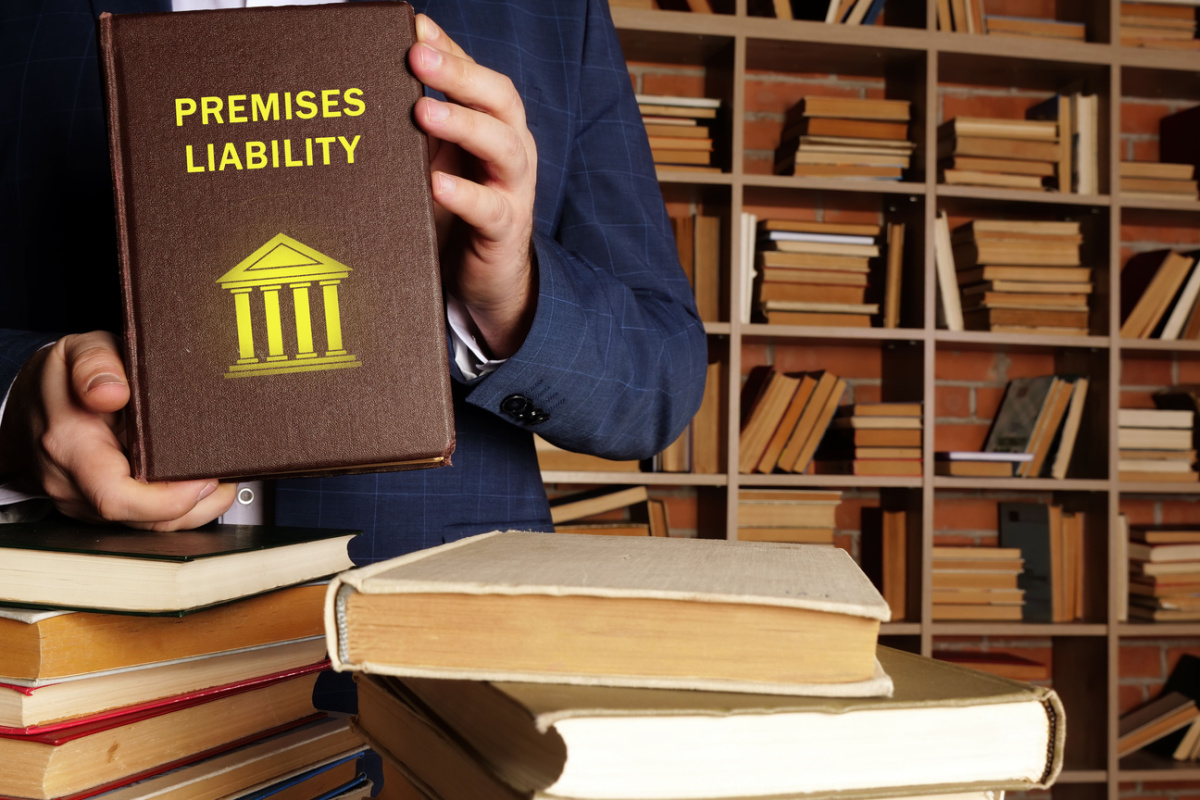
Premises liability in Louisiana covers more than just slips or trips. It focuses on how safe a property is and whether a hazard could have been prevented. If you ever find yourself unsure about what to do after an incident on someone else’s property, speaking with a New Orleans personal injury attorney can help you understand your rights and the laws that apply.
Understanding how Louisiana evaluates unsafe property conditions, visitor classifications, and the duties of property owners helps people make sense of how these incidents are handled.
This guide breaks down the key ideas behind premises liability in Louisiana, the most common hazard conditions, and the legal standards that influence fault and responsibility.
Overview of Premises Liability in Louisiana
Premises liability refers to the responsibility a property owner or custodian has to keep their space reasonably safe. This applies to grocery stores, apartment buildings, parking lots, public venues, and private homes.
Louisiana law expects property owners to identify hazards, repair unsafe conditions, and warn visitors when a danger cannot be fixed immediately.
The concept centers around unsafe property conditions in Louisiana, such as:
- Wet or slick floors
- Uneven or damaged walking surfaces
- Poor lighting inside or outside buildings
When a hazard causes an injury, the question becomes whether the property owner knew or should have known about the condition and failed to act.
Falls are one of the leading causes of emergency room visits in the United States, with over 8 million reported annually according to the National Floor Safety Institute.
People often encounter hazards in everyday places. Parking lots with poor lighting, staircases with broken handrails, or stores with spilled liquids are common sources of incidents. Understanding these risks gives visitors a better sense of what Louisiana law considers preventable.
Duty of Care and Visitor Classifications
Louisiana law looks closely at the type of visitor involved. The level of responsibility owed may vary depending on why a person is on the property.
Invitees
Individuals entering a property for mutual benefit, such as shoppers or tenants. These visitors are owed the highest level of care, meaning the owner should inspect for hazards, correct issues promptly, and provide warnings where necessary.
Licensees
These are social guests or visitors with permission to be there. Property owners must ensure the premises are reasonably safe and address any known risks.
Trespassers
People entering without permission receive limited protection. Owners are generally expected not to intentionally harm them and to avoid reckless conduct.
Visitor classifications help determine whether a hazard should have been addressed and what steps the owner reasonably should have taken.
Common Hazard Conditions on Louisiana Properties
Many incidents result from hazards that could have been avoided with basic upkeep or routine inspections. Some of the most frequent unsafe property conditions include:
Slip and Fall Hazards
Wet floors, spills, recently mopped surfaces without signage, and rainwater in entryways often cause slip and fall incidents.
Trip and Fall Conditions
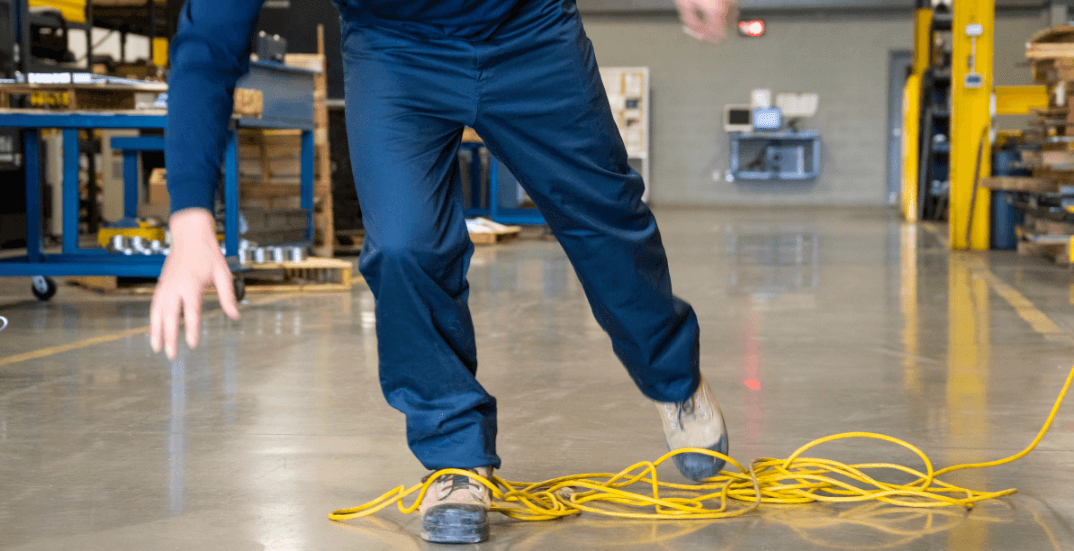
Uneven flooring, torn carpets, cluttered walkways, and loose tiles can create tripping risks.
Poor Lighting
Dim stairwells, parking lots, or hallways may reduce visibility and contribute to falls or security concerns.
Falling Objects or Structural Issues
Loose shelves, damaged ceilings, or poorly maintained fixtures may fall or collapse unexpectedly.
Negligent Security Hazards
Broken locks, lack of lighting, or missing security features can increase the risk of criminal activity.
Animal-Related Hazards
Unrestrained pets or inadequate fencing may lead to bites or injuries. These conditions often appear in apartments, stores, offices, or outdoor locations. Recognizing the types of hazards covered under premises liability in Louisiana helps people understand how these incidents are evaluated.
Key Legal Standards Under Louisiana Civil Code Article 2317.1
Louisiana relies on specific statutes to evaluate property-related incidents. The most important is Article 2317.1.
Under Louisiana Civil Code Article 2317.1, a property custodian may be responsible for damages caused by a condition they knew or should have known about and failed to remedy.
This standard requires showing:
- The condition created an unreasonable risk.
- The owner had actual or constructive knowledge.
- The owner failed to take reasonable action.
- The hazard directly caused the injury.
This law applies broadly to public and private properties, covering everything from structural defects to temporary dangers. Another important statute is Article 2323.
Louisiana follows a comparative fault system under Article 2323, allowing responsibility to be divided based on each party’s role in the incident.
How Fault Is Determined: Notice, Knowledge, and Comparative Responsibility
Determining fault in premises incidents often depends on the owner’s knowledge of the hazard.
Actual Knowledge
The owner was aware of the danger.
Example: A store employee acknowledges a spill but fails to clean it.
Constructive Knowledge
The hazard existed long enough that the owner should have discovered it through normal inspections.
Open and Obvious Doctrine
If a hazard is considered obvious enough for a reasonable person to notice, fault may be reduced or shared.
Comparative Fault
Louisiana’s comparative fault rule reduces recovery based on the person’s share of responsibility. For example, distraction or improper footwear may influence fault percentages.
Understanding these factors helps explain how Louisiana evaluates unsafe property conditions, hazard notice requirements, and shared responsibility.

Time Limits, Evidence, and What to Consider After an Incident
Louisiana provides a limited window for addressing injury-related matters. Louisiana’s one-year prescriptive period requires most injury-related actions to be filed within one year of the incident.
Because conditions change quickly, early documentation helps clarify what happened.
Helpful forms of evidence include:
- Photos or videos of the hazard
- Maintenance or inspection logs
- Witness observations
- Weather conditions
- Lighting conditions
- Incident reports
Small details often help explain whether a hazard was preventable or foreseeable.
Premises Incidents on Government vs Private Property
Incidents on public property involve additional guidelines. While many principles are similar, government agencies often have stricter reporting procedures and shorter notice timelines.
Public property includes parks, municipal buildings, sidewalks, and government-maintained spaces. Agencies may have specific maintenance schedules, signage requirements, and inspection protocols that influence how hazards are evaluated.
Private property owners, such as landlords, businesses, or homeowners, are typically responsible for routine upkeep, hazard correction, and maintaining safe access areas.
Tabular Data: Common Property Hazards and Contributing Factors
|
Hazard Type |
Common Locations | Contributing Factors |
Preventive Measures |
| Wet floors | Stores, hallways | Spills, weather | Warning signs, prompt cleanup |
| Poor lighting | Parking lots, stairwells | Burned-out bulbs | Routine inspections |
| Broken railings | Apartments, porches | Wear and tear | Repairs and reinforcement |
| Uneven surfaces | Sidewalks, walkways | Weather, soil shifts | Resurfacing, signage |
| Negligent security risks | Public venues | Broken locks, darkness | Lighting upgrades, functional locks |
Frequently Asked Questions
What conditions qualify as a hazardous property environment in Louisiana?
Hazards include wet floors, uneven surfaces, poor lighting, structural issues, or missing safety features that make an area unsafe for normal use.
Do property owners need to warn visitors about temporary hazards?
Temporary hazards usually require reasonable warnings such as signage, barriers, or clear communication until the condition is corrected.
How does Louisiana determine whether a property owner should have known about a hazard?
The law reviews inspection practices, how long the hazard existed, and whether a reasonable owner would have noticed it.
What role does comparative fault play in premises incidents?
Comparative fault allows responsibility to be shared, reducing recovery based on how a person’s actions contributed to the incident.
Are incidents on government property handled differently?
Government agencies often have stricter reporting rules and shorter timelines that differ from private property requirements.
Conclusion
Premises liability in Louisiana focuses on how hazards arise, how property owners handle risks, and how responsibility is shared when incidents happen. Understanding duty of care, property conditions, timelines, and key Louisiana statutes helps people make sense of how these situations are evaluated.
If you or someone you know has questions about a property-related incident or needs guidance, the team at Alvendia, Kelly & Demarest Law Firm is available to offer support and help you understand your options. Reach out today to discuss your situation and request a free consultation.
Categories

In 2003, after being dissatisfied with the quality of legal care for victims of car accidents, Roderick ‘Rico’ Alvendia sought to establish a new firm focused on providing high-quality legal services to aid injured victims and their families. J. Bart Kelly, sharing Rico’s passion for upholding justice, joined the firm later that year, and established a partnership.