

Partner at AKD Lawyers
Practice Areas: Personal Injury, Insurance Claims
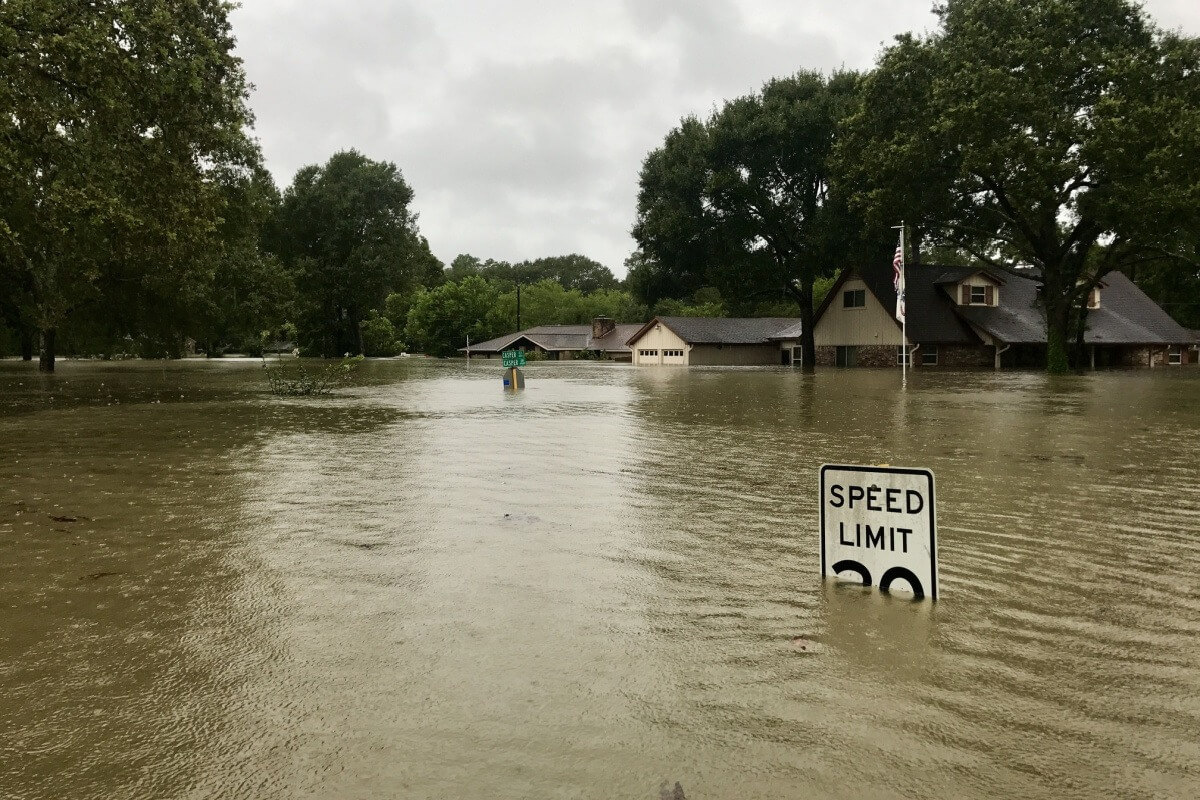
Some hurricane damage in Louisiana is obvious right away, like broken shingles or standing water. But other problems appear slowly over weeks or even months. Hidden moisture, weakened roofing layers, slow leaks, or foundation movement can stay unnoticed until they create real trouble. If you recently found delayed hurricane damage in your home, understanding how and why it happens can help you take the right next steps.
This guide explains why late-discovered storm damage is common in Louisiana, what signs to look for, how reporting rules work, and what homeowners can do to handle supplemental claims, documentation, and insurance delays.
Why Damage Sometimes Appears Long After a Storm
Not all storm problems show up immediately. Louisiana’s climate plays a major role. High humidity, lingering moisture, and repeated rain events can cause slow changes inside walls, attics, and foundations. A home may seem fine at first, then show signs of trouble later.
Hidden issues often develop because moisture becomes trapped or materials dry unevenly. Even strong roofs and foundations can gradually shift after powerful winds or heavy rain.
Many homeowners noticed this after large storms like Ida and Laura. Months later, they found roof membrane problems, hidden mold colonies, or slow-forming cracks that weren’t visible during the first inspection.
These late-developing problems are considered delayed hurricane damage, and they are more common in older Louisiana homes.
Many forms of hurricane damage remain hidden during initial inspections and only appear once moisture spreads, materials shift, or structural components slowly weaken.
Common Types of Delayed Hurricane Damage
Some issues show up quickly, while others develop over time. Understanding the types of hidden hurricane damage can help you spot problems early.
Roofing and Water Intrusion
Missing shingles or torn flashing may seem minor at first. As rain continues, water can seep into the roof deck or attic, leading to slow leaks, warped boards, or soft spots.
Mold and Moisture Problems
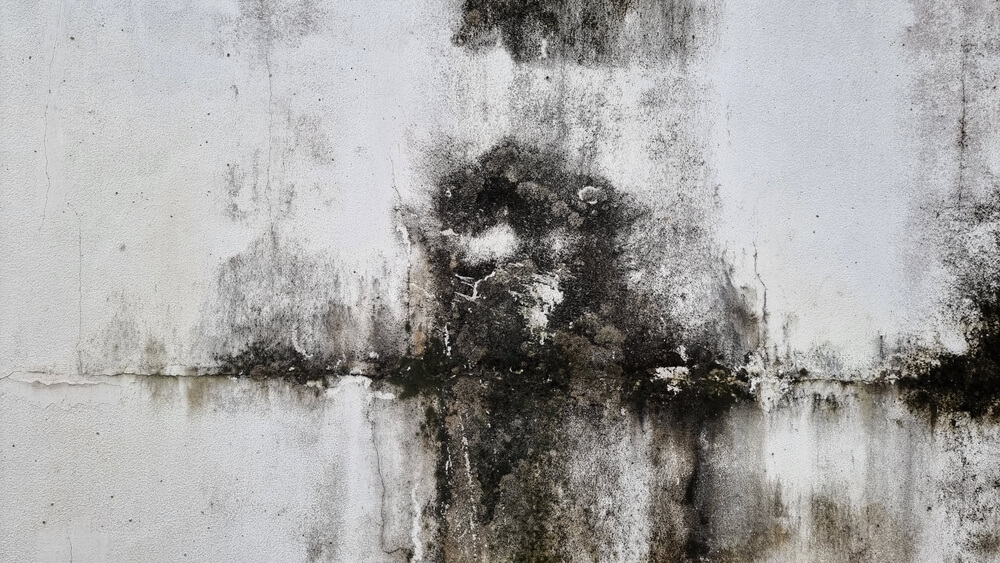
Mold often forms in hidden areas such as wall cavities, crawlspaces, or insulation. Even a small, unnoticed leak can support mold growth, especially in humid regions.
Foundation Movement
Excess water around the home can shift soil and cause gradual shifting. This may lead to cracks, uneven floors, or gaps around windows weeks after a storm.
Electrical and HVAC Issues
Water intrusion can corrode wiring, outlets, or HVAC components. Homeowners may notice unexplained tripped breakers or reduced system performance later on.
Flooring Damage
Wooden floors may appear stable at first, then begin warping or buckling as moisture trapped underneath rises over time.
Delayed hurricane damage is common in high-humidity climates like Louisiana, where moisture can linger inside roof systems, wall cavities, and foundation layers.

Immediate vs. Delayed Hurricane Damage
Below is a comparison showing how storm damage may appear over time and early signs that homeowners can monitor.
Table: Immediate vs Delayed Hurricane Damage Indicators
| Type of Damage | Visible Immediately After Storm | Appears Weeks or Months Later |
Early Warning Signs |
| Roof leaks | Yes | Yes | Water spots, ceiling discoloration |
| Mold growth | No | Yes | Musty smell, humidity pockets |
| Foundation shifts | No | Yes | Small wall cracks, sticking doors |
| Electrical issues | Sometimes | Yes | Flickering lights, outlet problems |
| Flooring warping | No | Yes | Soft spots, raised edges |
| Water intrusion | Yes | Yes | Damp insulation, moisture readings |
Reporting Late Damage Under Louisiana Rules
Louisiana has specific timelines for property-related insurance disputes. Most homeowners must file any lawsuit related to a disputed property claim within one year from the date of loss. This is known as the prescription period.
If a claim is still being adjusted or if supplemental claims are added, timelines may shift depending on the policy.
The Louisiana Department of Insurance provides additional guidelines. Once a homeowner submits adequate proof of loss, insurers are generally required to respond within 30 days.
Under Louisiana law, most property insurance disputes must be filed within one year from the date of loss, though supplemental claims or ongoing adjustments may affect timelines.
Understanding these rules helps homeowners act quickly when new issues appear months after a storm.
How Supplemental Claims Work
A supplemental claim is a request for additional payment when new or previously hidden damage is discovered. These claims are common with delayed hurricane damage because hidden moisture, roof weaknesses, or structural issues may not be visible during the first inspection.
Homeowners often file supplemental claims when:
- repairs reveal unreported damage
- initial estimates were too low
- additional materials or labor are required
Policies often allow up to two years to submit supplemental documentation, though terms depend on the policy.
For a stronger supplemental submission, homeowners should:
- take clear photos and videos
- obtain updated repair estimates
- keep receipts and inspection notes
- document all communication with the insurer
Supplemental claims allow homeowners to submit additional damage found after initial repairs, especially when hidden storm issues surface later.
If the insurance process becomes overwhelming or confusing, speaking with a New Orleans Hurricane Ida property damage lawyers familiar with property-related storm disputes can help you understand your available options.
Handling Insurance Delays or Disputes
It’s not unusual for Louisiana homeowners to experience delays, low estimates, or communication problems after major storms. Slow inspections, incomplete assessments, or misunderstandings about policy limits can make the process challenging.
If homeowners feel their concerns are not addressed, they may request a reinspection, ask for written explanations, or review their policy to confirm deductibles, exclusions, and coverage limits. Understanding coverage details and providing strong documentation can help move the process forward.
Homeowners dealing with long delays can also review options offered through Louisiana’s insurance regulations, which outline expectations for insurer response times, dispute procedures, and documentation standards.
FAQs
Why does hurricane damage sometimes appear months later?
Hidden moisture, slow leaks, or gradual structural movement can take weeks or months to show visible signs.
Can late-discovered storm damage still be reported?
Yes. Homeowners can report new issues if they document the damage and follow policy timelines.
What is a supplemental claim?
A supplemental claim adds newly discovered storm-related damage to an existing claim or increases repair costs.
How should homeowners document delayed damage?
Use photos, videos, repair estimates, and written notes to create a clear record of the issue.
What deadlines apply in Louisiana?
Most disputes must be filed within one year, though policy terms and ongoing adjustments may affect timing.
Conclusion
Delayed hurricane damage is a challenge many Louisiana homeowners face. Moisture, structural movement, and hidden deterioration can take time to reveal themselves. Understanding the types of delayed damage, knowing how Louisiana reporting rules work, and documenting issues clearly can make the claims process more manageable.
If you are dealing with late-discovered storm damage, questions about supplemental claims, or insurance delays, the legal team at Alvendia, Kelly & Demarest Law Firm is here to help. Our attorneys understand Louisiana’s complex property claim environment and can guide you through your options.
For support with hurricane-related insurance issues or delayed damage claims, reach out today for a free consultation.

Categories
In 2003, after being dissatisfied with the quality of legal care for victims of car accidents, Roderick ‘Rico’ Alvendia sought to establish a new firm focused on providing high-quality legal services to aid injured victims and their families. J. Bart Kelly, sharing Rico’s passion for upholding justice, joined the firm later that year, and established a partnership.