
Partner at AKD Lawyers
Practice Areas: Personal Injury, Insurance Claims
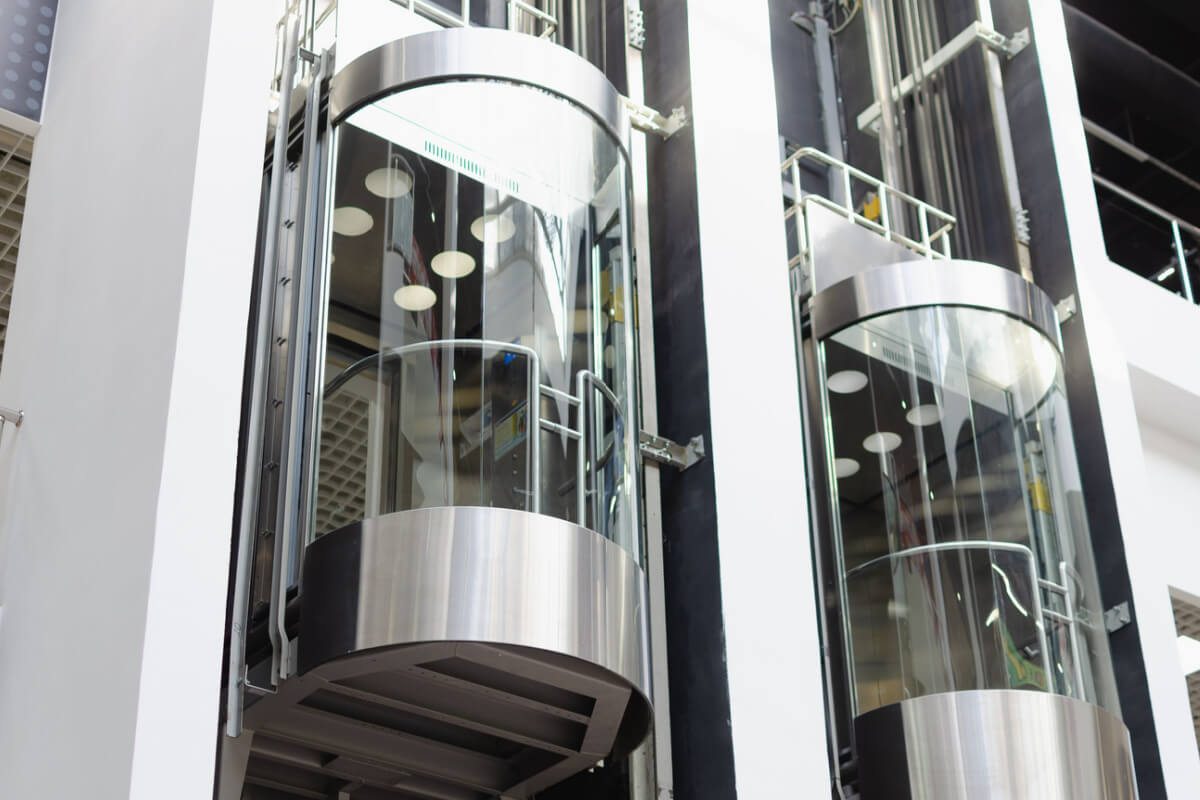
People use elevators and escalators every day in Louisiana. Most trips are safe, but equipment problems can sometimes cause an accident. An elevator may stop suddenly, its doors may fail, or someone may slip on a spill. When someone gets hurt, the next question is often: who is responsible?
The answer depends on what caused the accident and who was supposed to keep the elevator or escalator safe. Learn more about premises responsibility in Louisiana.
This guide looks at common elevator and escalator dangers, who may be responsible, and what to do after an accident.
Who Can Be Held Responsible for an Elevator Accident?
Who is responsible depends on who maintained the elevator and whether they knew about a problem.
Possible responsible parties include:
| Who may be responsible | What may have gone wrong |
| Property owner | Did not fix a known elevator problem |
| Building manager | Did not arrange needed repairs or checks |
| Elevator company | Did not properly inspect or repair the elevator |
| Cleaning company | Left a spill or other hazard behind |
| Elevator maker | Made a faulty part or piece of equipment |
In some cases, more than one person or company may be responsible. Maintenance records, repair records, inspection reports, and other information can help show what happened.
How Louisiana Law Applies to Elevator Accidents
Property owners and others who control a building generally must take reasonable steps to keep it safe. This can include fixing dangerous problems they know about or should have found.
Louisiana Civil Code Article 2317.1 says a person who controls something may be responsible when a defect causes harm and they knew, or should have known, about the defect but did not fix it.
“The person or company with custody and control of the equipment may be responsible when a defect or unsafe condition causes harm.”
A property owner is not always responsible for an elevator accident. It depends on what went wrong and who was responsible for the elevator.
Common Elevator Problems That May Lead to Liability
Elevators and escalators can become unsafe when parts are damaged, worn out, or poorly maintained.
Elevator problems
- Doors that do not open or close properly
- Elevator stopping between floors
- Sudden drops or movements
- Faulty sensors or electrical systems
- Elevator floor not lining up with the building floor
Escalator problems
- Sudden stops
- Worn or damaged comb plates
- Loose parts
- Spills or debris on the steps
- Faulty handrails or safety systems
These problems can hurt people and may help show why the accident happened.
“Elevators and escalators cause an estimated 17,000 injuries annually in the United States, according to the Consumer Product Safety Commission.”
How Do You Prove Who Was Responsible?
To find out who was responsible, it can help to look at what happened before the accident.
Useful records and information may include:
- Elevator inspection records
- Repair and maintenance records
- Security camera video
- Accident reports
- Statements from people who saw the accident
- Photos of the elevator or nearby area
- Building safety records
For example, an elevator may have had the same problem several times before someone was hurt. Records may show that the problem was reported but never fixed.
Get Your Free Consultation
What Problems Can Lead to an Elevator Accident?
An elevator or escalator accident may happen when someone fails to:
- Perform regular inspections
- Make repairs after a problem is reported
- Fix known mechanical problems
- Put up warnings about unsafe equipment
- Properly maintain the equipment
A building owner or manager may be responsible if they knew about a dangerous problem and did not fix it. Louisiana also has a comparative fault rule. This means an injured person may receive less money if they were partly at fault for the accident.
“Each case is reviewed based on its own facts, including the actions of everyone involved.”

What Should You Do After an Elevator Accident?
If you are hurt in an elevator or escalator accident, take these steps:
- Get medical care. Some injuries may not hurt right away.
- Report the accident. Tell the building staff what happened and ask for a copy of the report.
- Take pictures. Photograph the elevator, warning signs, damage, or anything else that may have caused the accident.
- Get witness information. Write down the names and contact information of people who saw what happened.
- Keep important items. Save damaged clothing or other items connected to the accident.
Frequently Asked Questions
Is the property owner always responsible for an elevator accident?
No. It depends on what caused the accident and who was responsible for the elevator.
Can an elevator maintenance company be responsible?
Yes. A maintenance company may be responsible if it failed to properly inspect or repair the elevator and that led to the accident.
What can help prove who was responsible?
Inspection records, repair records, photos, videos, witness information, and accident reports may help show what happened.
Can more than one person or company be responsible?
Yes. A property owner, building manager, maintenance company, or manufacturer may share responsibility, depending on what happened.
Get Your Free Consultation
An elevator or escalator accident can happen for many reasons. Determining who was responsible starts with what went wrong and who was supposed to maintain the equipment.
If you or someone you know was hurt in an elevator or escalator accident , Alvendia, Kelly & Demarest Law Firm can help you understand your options. You can request a free consultation to discuss your situation.


Categories

In 2003, after being dissatisfied with the quality of legal care for victims of car accidents, Roderick ‘Rico’ Alvendia sought to establish a new firm focused on providing high-quality legal services to aid injured victims and their families. J. Bart Kelly, sharing Rico’s passion for upholding justice, joined the firm later that year, and established a partnership.