
Partner at AKD Lawyers
Practice Areas: Personal Injury, Insurance Claims
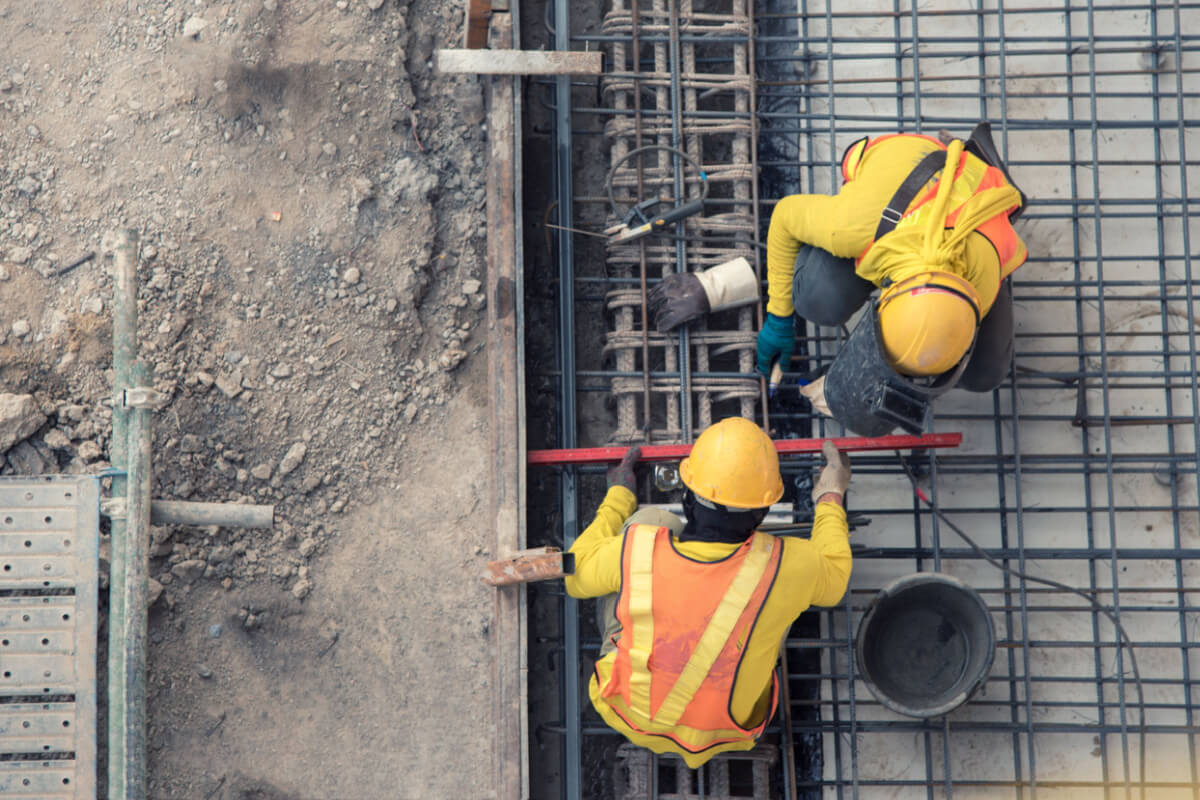
Construction sites are some of the most challenging environments to work in, and the risks workers face each day can lead to serious or long-term harm. From heavy machinery to elevated platforms and electrical systems, jobsite hazards require constant awareness.
Many workers try to stay informed about these dangers on their own, and some even look for educational resources from safety professionals or a New Orleans personal injury attorney when they want to understand their rights better.
This guide explains the most common construction hazards, the safety standards that help protect workers, and the key steps employees should take after an incident.
What Makes Construction Sites High-Risk
Construction environments combine heavy equipment, elevated work areas, electrical exposure, and constant movement. When jobsite safety rules are overlooked or misunderstood, the chances of injury grow. Understanding common hazards helps workers protect themselves and identify unsafe conditions early.
“Nearly one in five workplace deaths in 2021 occurred in the construction industry, with falls accounting for over one-third.” – Bureau of Labor Statistics (BLS)
Height-based tasks, complex machinery, unpredictable weather, and tight deadlines all play a role in increasing risk.
Many injuries happen not because workers are careless, but because hazards emerge quickly and conditions shift throughout the day. Being aware of these risks is the first step in injury prevention.
“Struck-by incidents caused more than 150 deaths and 14,000 nonfatal injuries in the construction sector in 2020.” – Centers for Disease Control and Prevention (CDC)
Common Types of Construction Site Injuries
Construction sites expose workers to many moving parts, changing conditions, and tasks that require constant attention. Understanding how these injuries typically occur helps workers recognize hazards early and stay safer on the job.
Falls, Slips, and Trips
Falls continue to be the leading cause of fatalities on construction sites. Working on ladders, scaffolds, and rooftops increases exposure to unprotected edges and unstable platforms. Simple missteps can bring serious outcomes, especially without proper fall protection systems.
OSHA Standard 29 CFR 1926 outlines federal construction safety requirements, including fall protection, electrical safety practices, and hazard communication.
Struck-By Incidents
Struck-by accidents occur when tools, materials, or equipment hit a worker. These incidents often involve dropped tools, swinging loads, moving vehicles, or improperly secured materials. Staying alert, securing tools, and following equipment signals reduce these risks.
Electrical Hazards
Electrocution can happen quickly and with little warning. Exposed wiring, damaged cords, poor grounding, and wet conditions make electrical injuries more likely. OSHA’s electrical safety rules help limit exposure, but workers must use personal protective equipment and remain aware of energized areas.

Caught-In or Between
Caught-in/between injuries occur when workers become trapped between machinery, collapsing structures, or heavy materials. Machine guarding, excavation safety, and lockout/tagout procedures are essential in preventing these situations.
Exposure to Hazardous Substances
Long-term exposure to materials such as asbestos, silica dust, fumes, solvents, and adhesives can impact a worker’s health well beyond the jobsite. Proper ventilation, air monitoring, and respirator use reduce these risks.
Exposure to airborne hazards such as silica dust can lead to long-term respiratory illnesses, emphasizing the need for proper ventilation and PPE.
OSHA Safety Standards and Worker Protections
The Occupational Safety and Health Administration (OSHA) sets the baseline for construction safety through 29 CFR 1926. These regulations cover fall protection, protective equipment, scaffolding, electrical work, hazard communication, and more.
Under OSHA rules, employers must identify hazards, provide proper training, and ensure equipment is safe to use. Workers have the right to learn about the risks associated with their tasks, access safety materials, and report unsafe conditions confidentially.
OSHA also protects workers from retaliation if they raise concerns about jobsite hazards. This creates an environment where workers can speak up without fear of losing hours or opportunities.
Workers have a right to a safe workplace and to report hazards without fear of retaliation, as outlined under OSHA Section 11(c).
Get Your Free Consultation
Responsibilities on a Construction Site
Safety is shared among everyone onsite. Employers must provide safe tools, PPE, training, and hazard-free environments. Workers must follow safety protocols and report hazards when they appear.
Clear communication, regular safety meetings, and routine inspections help keep everyone aligned. When both sides take responsibility, the likelihood of severe injury decreases.
What Workers Should Do After a Construction Site Injury
After any workplace injury, acting quickly and carefully helps protect both health and documentation. The following steps support a safer recovery process and help prevent future incidents from happening again.
- Get immediate medical attention, even for injuries that seem minor.
- Report the incident to a supervisor as soon as possible so it can be documented.
- Collect information such as photos, witness names, and equipment details.
Keeping copies of medical records and incident notes helps workers follow up appropriately. While every company has its own reporting structure, documenting the incident consistently remains important.

Preventive Measures and Safety Best Practices
Prevention starts long before work begins. Effective safety programs focus on training, planning, and continuous improvement. Workers benefit when they receive clear instructions, understand hazard warnings, and know how to use PPE correctly.
Regular equipment checks help identify wear and tear before failure. Clean, organized pathways reduce slip-and-trip risks. Scaffolds and ladders should meet OSHA standards and be inspected regularly. Respiratory protection, hearing protection, gloves, and helmets should be used whenever tasks involve known hazards.
Another valuable step is holding routine safety discussions. Short meetings before shifts remind workers of potential risks and set expectations for the day.
Common Construction Injuries and Associated Hazards
|
Injury Type |
Description | Common Causes |
Related OSHA Standard |
| Falls | Injuries from heights or uneven surfaces | Unprotected edges, unstable scaffolds, weak ladders | OSHA 1926 Subpart M |
| Struck-By | Impact from falling or moving objects | Dropped tools, swinging loads, vehicle movement | OSHA 1926 Subpart E |
| Electrocution | Electric shock or burns | Exposed wiring, faulty power tools | OSHA 1926 Subpart K |
| Caught-In/Between | Crushing or trapping injuries | Machinery, collapsing materials | OSHA 1926 Subpart I |
| Toxic Exposure | Respiratory or skin issues | Silica, asbestos, chemical fumes | OSHA 1926 Subpart D |
Frequently Asked Questions
What are the most common causes of construction site injuries?
Falls, struck-by accidents, electrical hazards, and machinery-related incidents are the most common injury sources on construction sites and account for many serious cases.
Why are OSHA standards important for construction work?
OSHA standards help reduce workplace risks by outlining required safety practices for equipment, fall protection, hazard communication, and routine inspections.
What should a worker do right after getting hurt on a jobsite?
Get medical care quickly, report the injury, and document what happened with photos and notes so the incident is recorded accurately.
How can workers identify unsafe conditions before injuries happen?
Look for equipment damage, missing guards, slippery surfaces, unsecured tools, unstable ladders, and blocked emergency exits.
What protective gear is commonly needed for construction work?
Hard hats, gloves, eye protection, hearing protection, respirators, and fall harnesses are common PPE items used to limit injury risks.
Conclusion
Construction sites come with real risks, but understanding those hazards and knowing how to respond can make the job safer. Workers benefit when they stay aware of their surroundings, follow OSHA guidelines, and learn about the protections available to them. If a situation involves serious harm or confusion, speaking with a personal injury attorney can help clarify next steps.
For those who want guidance after a construction-related injury or want to understand their safety rights more clearly, Alvendia, Kelly & Demarest Law Firm offers support and free consultations.


Categories

In 2003, after being dissatisfied with the quality of legal care for victims of car accidents, Roderick ‘Rico’ Alvendia sought to establish a new firm focused on providing high-quality legal services to aid injured victims and their families. J. Bart Kelly, sharing Rico’s passion for upholding justice, joined the firm later that year, and established a partnership.