Partner at AKD Lawyers
Practice Areas: Personal Injury, Insurance Claims
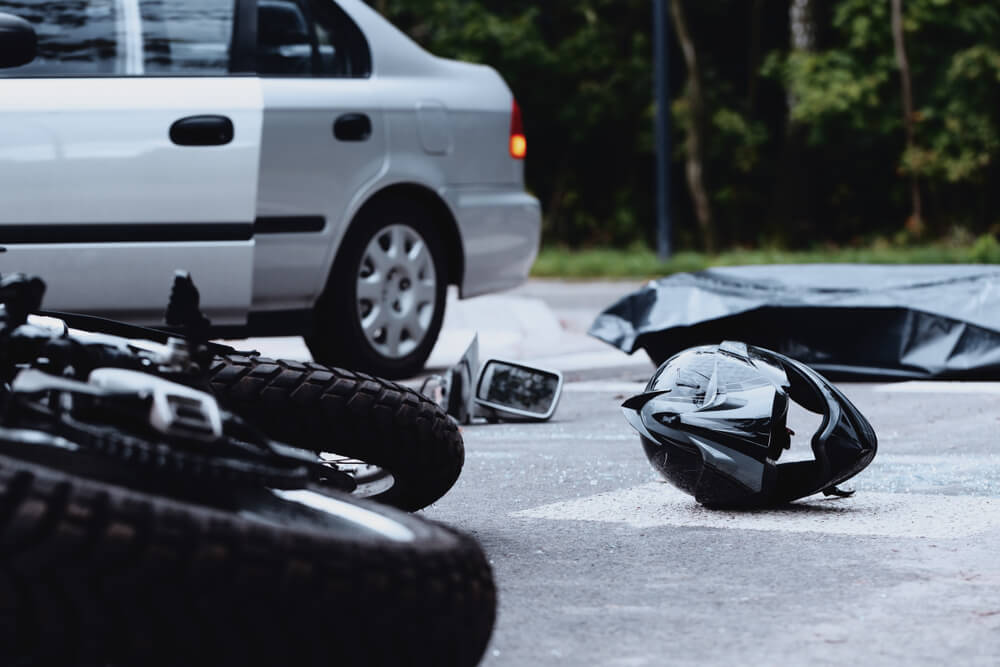
Motorcycle accidents often lead to serious, life-changing injuries that affect riders and their families. Understanding the causes, safety practices, and laws surrounding these incidents helps everyone, both riders and motorists share the road responsibly.
In Louisiana, motorcycle crashes remain a significant concern due to driver negligence, visibility issues, and unpredictable weather. This guide explores what every rider and driver should know to stay safe and aware.
Why Motorcycle Accidents Are So Serious
Motorcyclists face greater risks because they have little physical protection in collisions. Even at moderate speeds, the impact can cause severe injuries such as brain trauma, spinal cord damage, or fractures. Studies show that riders are far more likely to suffer fatal or disabling injuries compared to car occupants.
Protective gear plays a major role in reducing harm. Helmets, jackets, gloves, and reinforced boots can make the difference between minor and catastrophic injuries. While helmets can’t prevent every injury, they dramatically increase survival chances.
According to the National Highway Traffic Safety Administration (NHTSA), motorcyclists are about 28 times more likely to die in a crash than passengers in vehicles.
In many crashes, the difference between survival and tragedy lies in awareness, visibility, and caution not just for riders, but for drivers sharing the road.
Common Causes of Motorcycle Accidents
Every year, thousands of motorcycle accidents happen because of preventable mistakes. In Louisiana, busy urban roads and high-traffic intersections often increase these risks.
Some of the most common causes include:
- Left-turn collisions where a driver misjudges the speed or distance of an oncoming motorcycle.
- Distracted or impaired driving involving cell phone use, alcohol, or drugs.
Other causes such as speeding, unsafe lane changes, and poor road conditions also play a major role. Weather and visibility are significant factors as well. Rain and uneven roads can create hazards that cars might overlook but can easily throw off a motorcycle’s balance.
Driver negligence remains one of the biggest threats. Many drivers fail to look twice before changing lanes or turning, leading to devastating collisions.
The Role of Prejudice Against Motorcyclists
A surprising factor in many cases is the prejudice that exists against riders. When accidents happen, people often assume the motorcyclist was speeding, weaving through traffic, or driving carelessly.
In reality, most riders are experienced and cautious, while many accidents result from drivers who fail to yield or notice them.
Studies reveal that in more than 60% of multi-vehicle motorcycle accidents, the driver of the other vehicle, not the rider, is at fault.
Such bias can affect how accidents are reported, investigated, or even discussed. Changing this perception starts with education and awareness. When everyone understands that most riders follow the rules, the roads become safer for all.
Louisiana Motorcycle Safety and Helmet Laws
Louisiana enforces strict helmet regulations. Under Louisiana Revised Statutes §32:190, all motorcycle operators and passengers must wear an approved helmet, regardless of age or experience. This law aims to reduce fatalities and severe head injuries across the state.
The Louisiana Highway Safety Commission reports that over 90% of motorcycle fatalities involved riders who were not wearing helmets.
Besides helmet use, riders should ensure their motorcycles meet visibility requirements such as functioning headlights, tail lamps, and reflective gear. Local initiatives like the “Share the Road” campaign encourage both drivers and riders to practice mutual respect and awareness.
If a crash does occur, speaking with a New Orleans motorcycle accident lawyer can help you understand how state laws and comparative negligence rules may apply to your situation.
Get Your Free Consultation
Understanding Comparative Negligence in Louisiana
Louisiana follows a comparative negligence rule, meaning responsibility can be shared between multiple parties. For example, if both a motorcyclist and a driver contributed to an accident, each may bear a percentage of fault.
Under Louisiana law, an injured person’s recovery may be reduced by the percentage of their own fault in the accident.
This principle reinforces the need for awareness and accountability. Riders must remain cautious, and drivers must take extra care to avoid endangering vulnerable road users.
Preventive Measures and Road Safety Awareness
Motorcycle safety begins long before an accident happens. Practicing awareness, anticipating risks, and following road laws are key to staying safe.
A few effective steps include:
- Visibility and positioning: Wearing bright clothing and staying out of blind spots helps motorists see riders sooner.
- Defensive riding: Keeping a safe distance and expecting sudden lane changes improves reaction time.
Environmental conditions also matter. Wet roads, high winds, or poor lighting can drastically increase accident risks. Riders should always check tire condition and maintain brakes and lights.
Education campaigns like Louisiana’s safety training programs continue to stress that safety is a shared responsibility among everyone on the road.
Recovery and Rebuilding After a Motorcycle Accident
The aftermath of a crash goes beyond physical recovery. Riders often face emotional stress, time away from work, and long rehabilitation.
Community resources and medical professionals can help victims rebuild their strength and confidence. Staying informed, documenting progress, and leaning on supportive networks are all vital steps in recovery.
Healing after a motorcycle accident takes time. Focusing on recovery, safety education, and awareness helps rebuild both confidence and the riding community itself.
Common Causes of Motorcycle Accidents and Preventive Measures
|
Cause |
Description |
Preventive Action |
| Left-turn collisions | Drivers misjudge motorcycle speed or distance | Improve visibility and cautious lane positioning |
| Distracted driving | Cell phone use or inattentive motorists | Enforce hands-free laws, public awareness |
| Road hazards | Potholes, debris, slick pavement | Report hazards, ride defensively |
| Impaired driving | Alcohol or drug influence | Strict enforcement, education campaigns |
| Weather conditions | Rain or reduced visibility | Slow down and increase following distance |
FAQs
What are the most common causes of motorcycle accidents in Louisiana?
Most involve left-turn collisions, distracted drivers, speeding, or poor road conditions that affect motorcycle stability.
Why do people assume motorcyclists are at fault?
Misconceptions about reckless riding often create bias, though data shows most multi-vehicle crashes result from driver error.
Are helmets mandatory in Louisiana?
Yes. State law requires all motorcycle operators and passengers to wear an approved helmet at all times.
How does Louisiana’s comparative negligence law work?
It divides responsibility based on fault. Both riders and drivers can share blame, depending on evidence and circumstances.
What can riders do to stay safe on Louisiana roads?
Maintain visibility, ride defensively, wear protective gear, and follow all traffic laws for safer travel.
How can communities reduce motorcycle crashes?
Through education programs, awareness campaigns, and encouraging motorists to share the road responsibly.
Conclusion
Motorcycle accidents can happen to even the most careful riders, often due to other drivers’ inattention or unsafe road conditions. Understanding Louisiana’s helmet laws, comparative negligence rules, and the realities of rider prejudice promotes safer roads and fairer outcomes.
If you or someone you know has been affected by a motorcycle accident, Alvendia, Kelly & Demarest Law Firm can help you understand your options.
Contact our team today for a free consultation and learn how we support injured riders across Louisiana.
Categories

In 2003, after being dissatisfied with the quality of legal care for victims of car accidents, Roderick ‘Rico’ Alvendia sought to establish a new firm focused on providing high-quality legal services to aid injured victims and their families. J. Bart Kelly, sharing Rico’s passion for upholding justice, joined the firm later that year, and established a partnership.