
Associate at AKD Lawyers
Practice Areas: Personal Injury, Workers Compensation
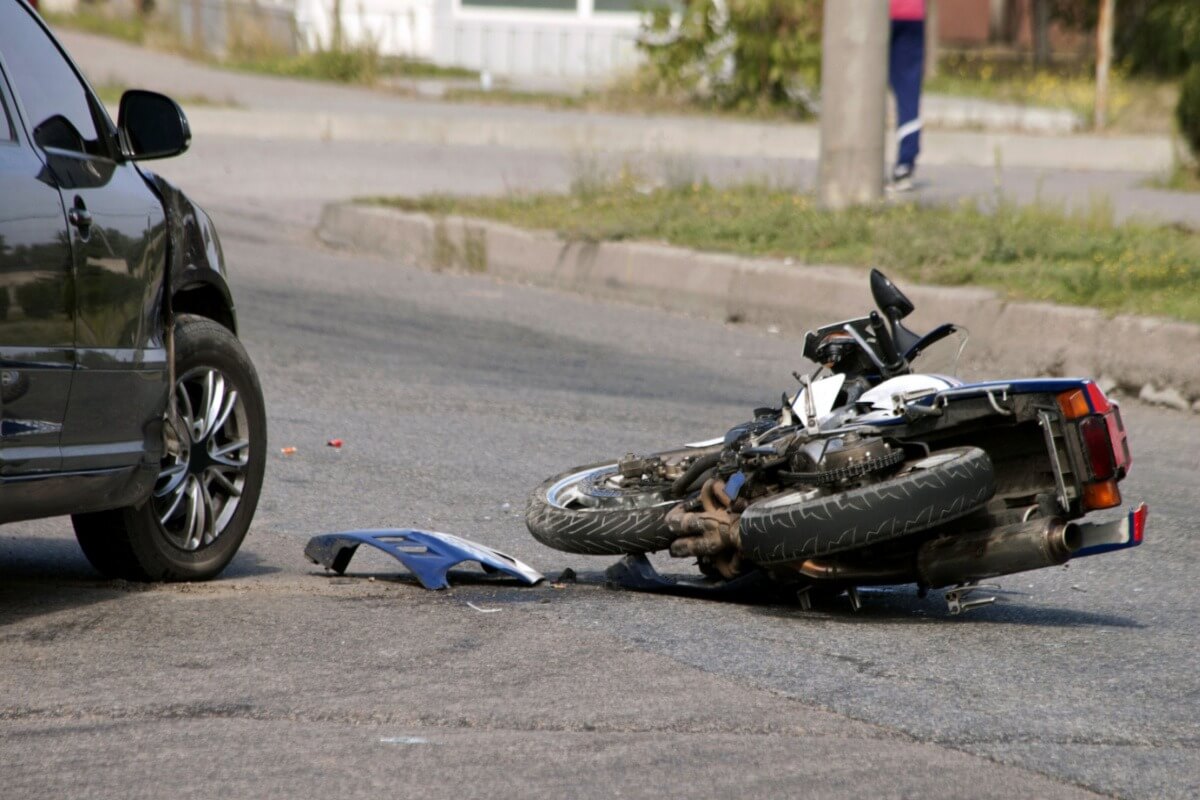
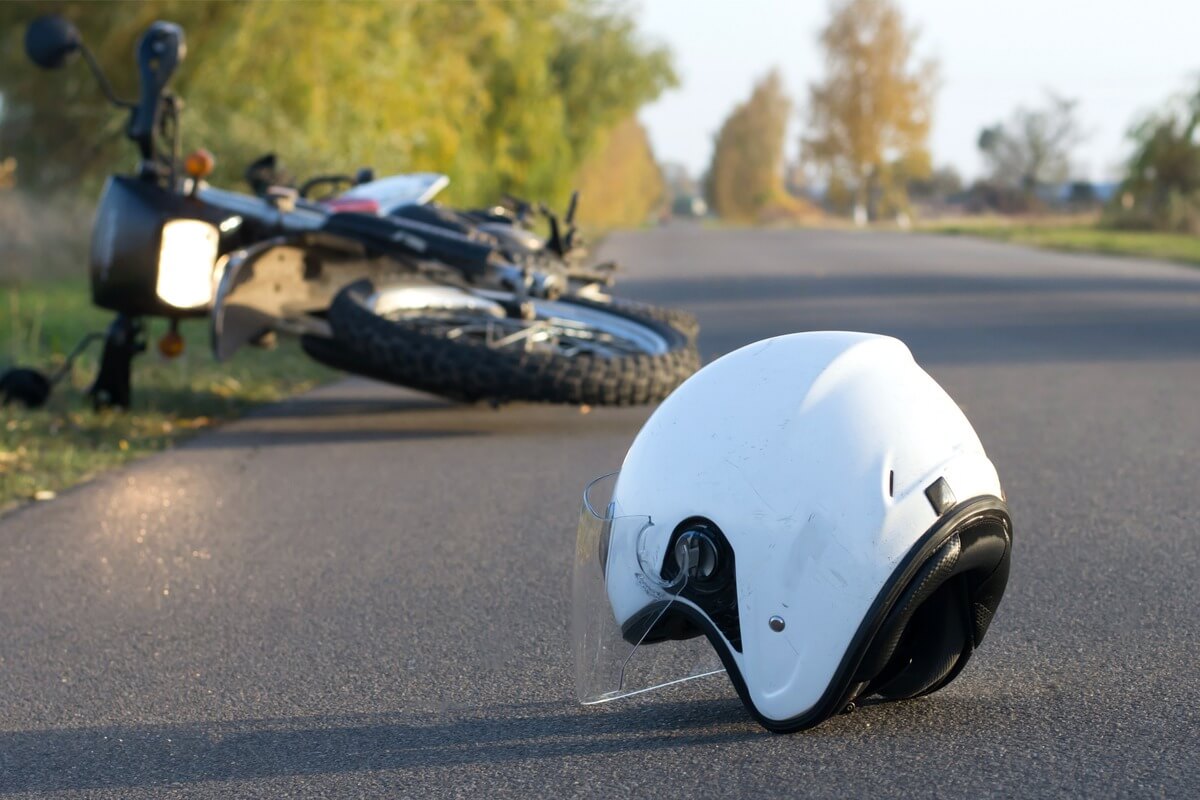
Motorcycle accidents can lead to serious injuries, and in Louisiana, helmet use plays a big role both in safety and in how compensation is determined after a crash. While the state’s law requires every rider to wear a helmet, not doing so doesn’t automatically prevent you from recovering damages. What truly matters is how the law views fault, injury severity, and the evidence in your case.
This guide breaks down what Louisiana law says about helmet use, how it affects compensation, and what riders should know if they’ve been involved in a motorcycle accident without a helmet.
Understanding Louisiana’s Motorcycle Helmet Law
Louisiana has one of the strictest helmet laws in the country. Under Louisiana Revised Statute § 32:190, both riders and passengers must wear a safety helmet that meets state and federal safety standards. The rule applies to all motorized bikes, including mopeds and scooters.
The helmet law has a long history. Initially passed in 1968, it required helmets for everyone. That changed in 1976 when it applied only to riders under 18. The rule went through more changes until 2004, when Louisiana reinstated its universal helmet requirement for all riders, regardless of age or insurance coverage.
The law exists for good reason. Helmets are proven to save lives and prevent catastrophic head injuries. Studies by the National Highway Traffic Safety Administration (NHTSA) show that helmets significantly lower the risk of death and serious head trauma in motorcycle crashes.
How Helmet Use Affects Fault and Compensation
Louisiana follows a comparative fault system under Civil Code Article 2323, meaning fault can be shared between multiple parties involved in an accident. Your compensation can be reduced by your percentage of fault.
Louisiana Civil Code Article 2323: “If a person suffers injury as a result partly of his own negligence, his claim for damages shall be reduced in proportion to his degree of fault.”
For example, if a rider is awarded $100,000 in damages but is found 20 percent at fault for not wearing a helmet, their final compensation would be $80,000.
This doesn’t mean you lose your right to recover compensation, only that your share might be reduced if the court finds that not wearing a helmet contributed to the injuries.
Insurance companies often use this law to argue that a rider’s injuries were worse because they weren’t wearing a helmet. However, proving this connection requires medical evidence and expert testimony, not just assumptions.
When Not Wearing a Helmet Impacts a Claim
Not wearing a helmet can affect a case when the injuries are related to the head or brain. Medical experts might testify that certain injuries, such as skull fractures or traumatic brain injuries, could have been prevented with helmet use.
In these cases, the defense may argue for a reduction in damages, claiming the rider’s decision contributed to the severity of the injury. Still, each case depends on specific facts, including how the crash occurred, what protective gear was used, and what type of injuries were sustained.
NHTSA Data: Helmet use decreases the risk of death by 37% and the chance of head injury by 69% in motorcycle crashes.
However, not every situation is the same. Some injuries may have occurred regardless of helmet use, and Louisiana’s comparative fault system recognizes these differences. A detailed medical report often determines whether helmet non-use played a real role in worsening the outcome.
When Helmet Use May Not Affect Your Case
Many motorcycle accident injuries are unrelated to helmet protection. Injuries such as broken bones, spinal injuries, or internal trauma are not influenced by whether the rider was wearing a helmet. In such cases, helmet non-use is not likely to reduce compensation.
The burden of proof lies with the defense. They must show that your lack of a helmet directly caused or worsened your injuries. Without clear medical evidence, it’s difficult for them to prove this claim.
A New Orleans motorcycle accident lawyer familiar with Louisiana’s personal injury laws can help ensure that fault is properly determined and that your compensation reflects the true circumstances of the crash.
What the Data Says: Helmet Use and Injury Severity
Research shows a direct connection between helmet use and reduced injury risk. According to NHTSA, after Louisiana temporarily repealed its helmet law in 1999, helmet use dropped by 50%, serious injuries increased by 40%, and fatalities rose by 75%.
These numbers highlight how helmets protect both your health and your legal position.
Impact of Helmet Use on Motorcycle Accident Outcomes
|
Factor |
With Helmet |
Without Helmet |
| Risk of Head Injury | Reduced by ~69% | Significantly Higher |
| Risk of Fatality | Reduced by ~37% | Substantially Higher |
| Average Medical Costs | Lower per incident | Higher |
| Legal Liability Impact | Decreased | Possibly Increased |
Helmets don’t just prevent injuries, they also help demonstrate that the rider took reasonable safety precautions. This can influence how fault is distributed in a personal injury claim.
Key Takeaways for Riders and Injury Victims
Even if you weren’t wearing a helmet during a motorcycle accident in Louisiana, you still have the right to pursue compensation. Courts will evaluate your injuries, the cause of the crash, and how helmet use might have affected the outcome.
Riders can protect both their health and their rights by understanding Louisiana’s motorcycle laws and taking reasonable precautions on the road. Knowledge of comparative fault can make a big difference in how your case is handled.
If you’ve been involved in a motorcycle accident, documentation, witness statements, and medical reports are key to showing how the crash occurred and what truly caused your injuries.
Frequently Asked Questions
Can I still get compensation if I wasn’t wearing a helmet during a motorcycle crash in Louisiana?
Yes. You can still recover damages, but your compensation may be reduced under Louisiana’s comparative fault rule.
How does not wearing a helmet affect a personal injury claim?
It may reduce damages if head injuries could have been prevented with a helmet, based on medical proof.
Does Louisiana have a universal helmet law?
Yes. All motorcycle riders and passengers must wear approved helmets under Louisiana Revised Statute § 32:190.
Can insurance companies deny claims if I wasn’t wearing a helmet?
No. They can argue for reduced compensation, but they must prove the lack of a helmet worsened your injuries.
Are there any exceptions to the helmet law in Louisiana?
No. All riders, regardless of age or insurance coverage, must wear a helmet.
What if my injuries weren’t related to my head?
Helmet use usually doesn’t affect compensation for injuries like broken limbs or spinal damage.
Conclusion
Not wearing a helmet in a motorcycle accident doesn’t bar you from receiving compensation in Louisiana. Courts review every case individually, considering fault, medical evidence, and the type of injury. Helmets remain vital for both safety and legal protection, but riders can still pursue damages even when one wasn’t worn.
At Alvendia, Kelly & Demarest Law Firm, we help injured riders understand how Louisiana’s comparative fault laws apply to their situation. If you’ve been hurt in a motorcycle accident, our team can review your case and explain your legal options.
Contact us today for a free consultation and learn how we can help protect your rights after a crash.


Categories

In 2003, after being dissatisfied with the quality of legal care for victims of car accidents, Roderick ‘Rico’ Alvendia sought to establish a new firm focused on providing high-quality legal services to aid injured victims and their families. J. Bart Kelly, sharing Rico’s passion for upholding justice, joined the firm later that year, and established a partnership.