
Partner at AKD Lawyers
Practice Areas: Personal Injury, Insurance Claims
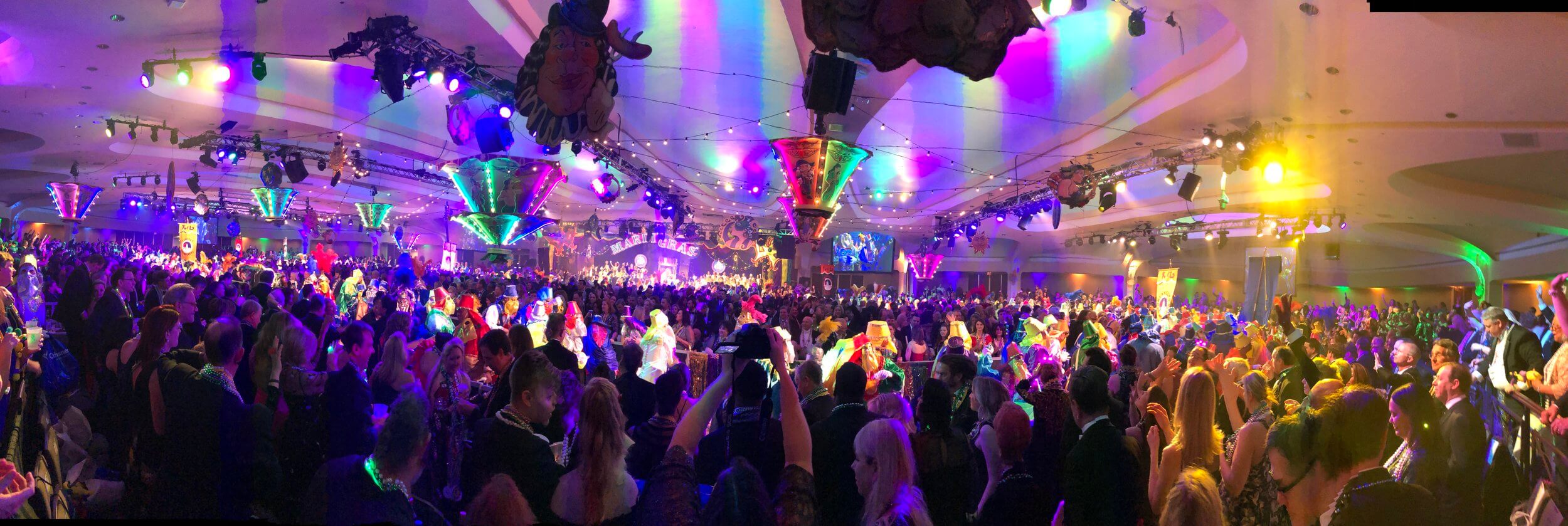
Every year, Mardi Gras transforms New Orleans into a lively celebration filled with color, parades, and music. More than 1.4 million people gather across the city to enjoy the tradition, but with such massive crowds come higher risks of accidents and injuries. From parade throws to slip-and-falls, understanding how these injuries happen and who may be responsible is essential for anyone planning to attend.
This guide explores the most common Mardi Gras injuries, explains Louisiana’s liability laws, and provides helpful safety tips to keep the celebration enjoyable and safe.
Common Injuries During Mardi Gras
Mardi Gras events take place on busy streets, sidewalks, and venues that can become crowded and unpredictable. Some of the most common incidents include:
Injuries from Thrown Objects
Colorful throws like beads, coconuts, or trinkets are part of the Mardi Gras spirit, but when tossed with force, they can cause eye injuries, cuts, or bruises. Float riders and parade krewes are expected to follow safety guidelines, yet accidents still occur.
Parade routes often get slippery from spilled drinks, beads, and debris. Visitors walking along uneven pavements or curbs can easily lose balance, leading to sprains or fractures.
Float-Related Accidents
Moving floats are a major attraction but can become hazardous if people get too close or operators lose control. Despite stricter float regulations introduced after past incidents, injuries can still happen.
Alcohol-Related Incidents
Alcohol contributes to many festival injuries. Impaired judgment can lead to fights, falls, or pedestrian accidents. Bars and event organizers must promote responsible alcohol service.
Health Emergencies
Crowd density, dehydration, and heat can cause fainting or exhaustion. Many festivalgoers underestimate how physically demanding the parades can be.
According to the City of New Orleans, Mardi Gras attracts over 1.4 million people each year, making it one of the largest public events in the United States. With this crowd size, the risk of accidents increases significantly.
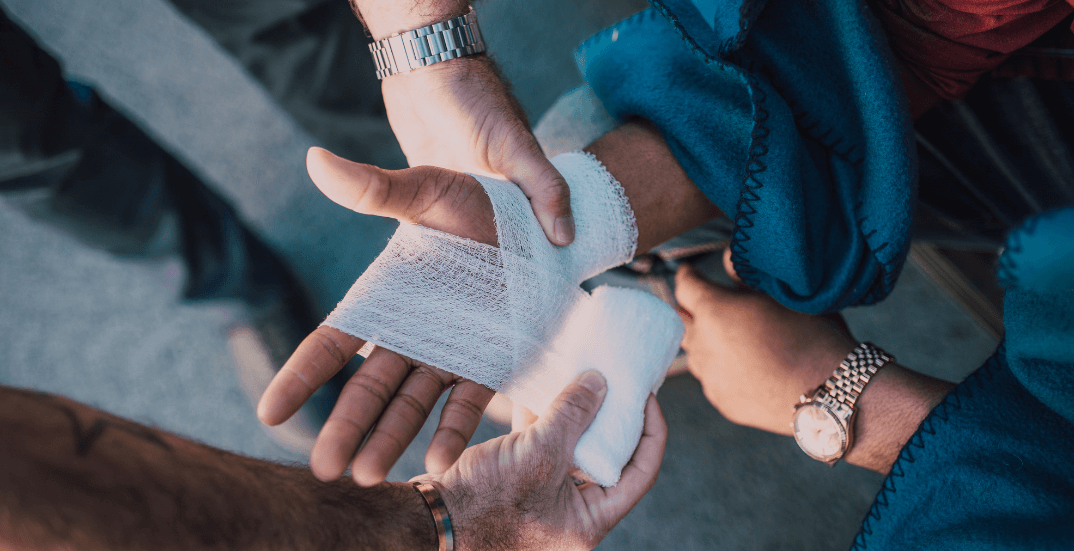
Understanding Liability Under Louisiana Law
Louisiana follows a fault-based system that determines who is legally responsible when injuries occur.
Negligence and Duty of Care
Under Louisiana Civil Code Article 2315, anyone whose actions cause harm to another may be responsible for the damages. If a business, parade organizer, or individual fails to act reasonably, they may be found negligent.
Comparative Negligence
Sometimes, more than one party shares fault. Under Article 2323, Louisiana law reduces compensation by the injured person’s percentage of responsibility. For instance, if someone ignored barricades or acted recklessly, their recovery could be reduced.
Possible Liable Parties
- Parade krewes or float operators if a float is unsafe or a throw is reckless.
- City of New Orleans if it failed to maintain safe conditions on streets or sidewalks.
- Venue or property owners if they neglected to clean hazards or over-served alcohol.
- Private individuals who caused harm through negligent or intentional acts.
Even though each case is unique, understanding these basic liability principles can help attendees stay informed about their rights and responsibilities.
Get Your Free Consultation
Parade Safety Rules and Recent Legal Changes
Following tragic incidents in 2020 where float-related accidents resulted in fatalities, the city introduced new safety measures.
In 2020, two fatal float-related accidents during Mardi Gras led the City of New Orleans to ban tandem floats, a measure aimed at improving parade safety.
Organizers must now comply with regulations involving barricades, float spacing, and driver training. Bars and venues are also reminded by the Louisiana Office of Alcohol and Tobacco Control to monitor alcohol service and avoid serving visibly intoxicated guests.
The Louisiana Office of Alcohol and Tobacco Control reminds businesses that overserving intoxicated patrons during public events can lead to administrative penalties or liability.
How to Stay Safe During Mardi Gras
While you cannot eliminate all risks, there are simple steps to make the experience safer:
- Stay behind barricades and keep a safe distance from moving floats.
- Avoid rushing for throws or leaning into the street.
- Keep hydrated, wear comfortable shoes, and plan rest breaks.
- Report unsafe behavior or hazards to nearby officers or volunteers.
The city also deploys medical tents, crowd control barriers, and security personnel along major routes. Taking a few precautions can go a long way toward ensuring a fun and injury-free celebration.
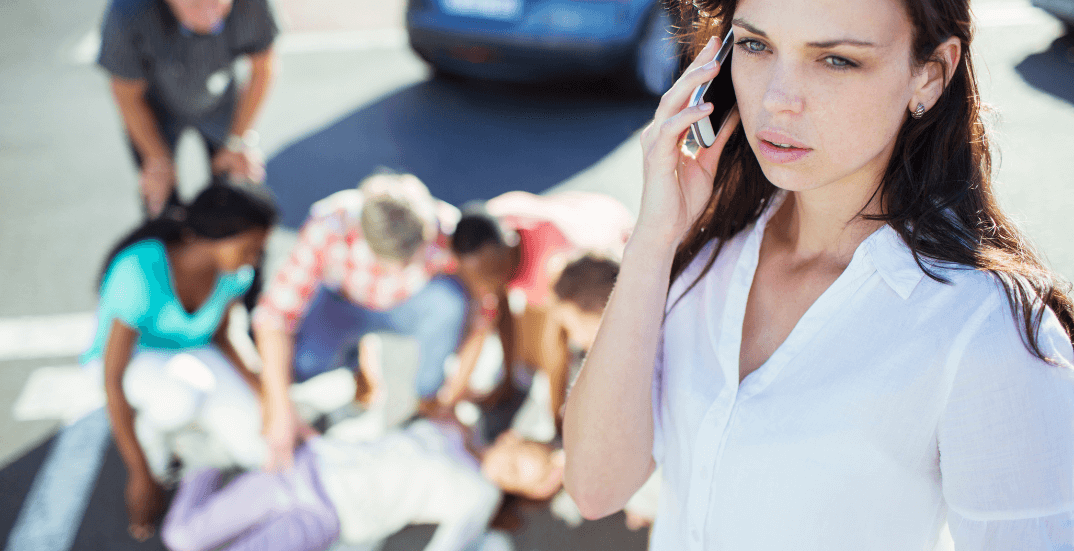
If an accident still occurs, it’s important to stay calm and act quickly. Seek medical attention immediately, file an incident report, and keep records or photos of the scene. These details are useful for documentation purposes.
A New Orleans personal injury attorney may later help explain how Louisiana law applies in similar situations.
La. Civ. Code § 3492 provides a one-year time limit to bring personal injury actions in Louisiana. Prompt reporting and record-keeping help preserve important details.
Table: Common Mardi Gras Injuries and Potential Liability
|
Injury Type |
Typical Cause | Possible Responsible Party |
Legal Note |
| Head or eye injury from throws | Beads, coconuts, trinkets | Parade krewe or participant | Reckless or unsafe throwing may indicate negligence |
| Slip-and-fall | Spilled drinks, debris, uneven streets | Property owner, city, or organizer | Liability depends on maintenance and warnings |
| Float-related accidents | Driver error, mechanical failure | Float operator, parade krewe | Regulated under local parade safety rules |
| Fights or altercations | Intoxication, crowd conflict | Individuals involved | Bars may be liable if overserving |
| Medical emergencies | Heat, dehydration | Generally self-managed | Only actionable if negligence worsened outcome |
Frequently Asked Questions
Are injuries from parade throws covered under Louisiana law?
Yes. Injuries caused by reckless or unsafe throws may lead to liability, though ordinary throws are generally part of Mardi Gras tradition.
Can the City of New Orleans be held responsible for accidents?
Yes, if poor maintenance or inadequate supervision created unsafe parade conditions.
What happens if both parties share fault during an accident?
Louisiana’s comparative negligence law reduces compensation by the injured person’s percentage of fault.
Are bars or restaurants responsible for intoxicated individuals who cause harm?
Yes. Bars may face limited liability under Louisiana’s dram shop principles for overserving intoxicated guests.
What is the time limit to act on a Mardi Gras injury?
Victims generally have one year from the incident date to take legal action under Louisiana law.
Conclusion: Celebrate Safely and Stay Informed
Mardi Gras is one of New Orleans’ most beloved celebrations, blending joy, culture, and community spirit. Still, large gatherings carry risks that can turn festivities into emergencies. By understanding Louisiana’s liability laws and taking reasonable safety precautions, attendees can protect themselves and others.
If you or someone you know was injured during Mardi Gras and needs help understanding the legal process, Alvendia, Kelly & Demarest Law Firm offers guidance to Louisiana residents. Contact the firm today for a free consultation and learn how to protect your rights after an injury.

Categories

In 2003, after being dissatisfied with the quality of legal care for victims of car accidents, Roderick ‘Rico’ Alvendia sought to establish a new firm focused on providing high-quality legal services to aid injured victims and their families. J. Bart Kelly, sharing Rico’s passion for upholding justice, joined the firm later that year, and established a partnership.