
Partner at AKD Lawyers
Practice Areas: Personal Injury
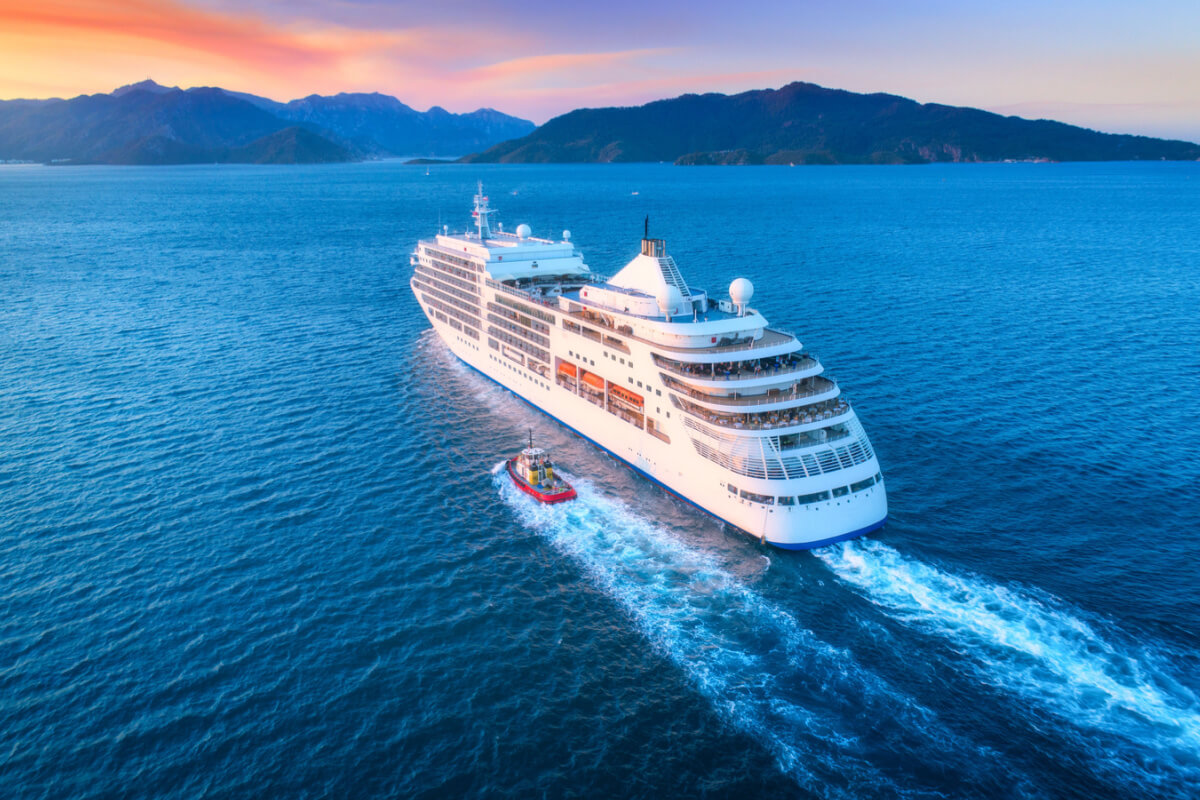
Cruise vacations are meant to be relaxing, but accidents on ships happen more often than many passengers expect. From slippery decks to excursion mishaps, these incidents fall under maritime law, which works very differently from regular personal injury rules on land. Understanding your rights, the safety standards cruise lines must follow, and the steps to take after an accident can help you make informed decisions during a stressful time.
This guide breaks down the most common cruise ship injuries, how maritime law affects passenger rights, and what you should know about cruise ticket contracts, incident reporting, and documentation.
Overview of Cruise Ship Injuries and Passenger Rights
Cruise ships have thousands of people moving through shared spaces, pool decks, narrow hallways, dining rooms, and activity areas. As a result, injuries and health issues can occur in situations that feel routine.
Passengers often do not realize that maritime law governs most cruise-related incidents. These rules outline safety obligations, reporting procedures, and deadlines that differ significantly from state-based laws. A cruise ticket also functions as a binding contract, and many people never read the fine print that shapes their rights.
Understanding the basics of maritime injury rights helps passengers stay aware of what to do if something goes wrong during a trip at sea.
Maritime contracts often require written notice of an incident within six months and filing within one year, which is far shorter than standard personal injury deadlines.
Common Cruise Ship Injuries and Safety Hazards
Injuries at sea happen in several settings. Some are caused by the ship’s motion, while others involve maintenance issues or crowded environments. The most frequent hazards include:
Slips, Trips and Falls
Wet decks, poolside areas, cabin bathrooms, and buffet walkways create fall risks. Sudden ship movement can make footing unstable, especially near stairs or outdoor areas. These accidents can lead to fractures, head injuries, sprains, or long-term mobility issues.
Foodborne Illnesses
Cruise ships serve thousands of meals daily, and norovirus is one of the most common onboard outbreaks. Because passengers share dining halls, surfaces, and restrooms, gastrointestinal illness can spread quickly.
Norovirus is one of the most frequent health-related incidents on cruise ships due to close-quarters living and shared dining environments.
Activity-Related Injuries
Pools, climbing walls, gyms, and recreational areas can involve equipment risks or sudden shifts from ship movement. Poor maintenance or overcrowding can add to the danger.
Shore Excursion Accidents
Passengers often participate in excursions such as snorkeling, boat tours, hiking, or zip-lining. Risks can increase when weather changes quickly or when transportation or equipment is not well maintained. What many passengers overlook is whether the excursion was arranged by the cruise line, which can affect their rights later.

Maritime Law Basics Every Passenger Should Know
Maritime law governs incidents that occur at sea, and its rules differ from state law in important ways. These regulations define how claims are handled, where cases must be filed, and the responsibilities of cruise operators.
How Maritime Rules Differ
Maritime law has its own standards for safety, passenger rights, and timelines for reporting. These rules are applied even if the cruise began in another state or country.
Jurisdiction and Filing Requirements
Cruise contracts often specify where a passenger can bring a dispute. Many times, this location is Florida, regardless of where the ship sailed or where the accident took place.
Cruise ticket contracts typically include mandatory jurisdiction clauses, meaning claims must be brought in the state the cruise line designates, commonly Florida.
Get Your Free Consultation
Understanding Cruise Ticket Contract Terms
A cruise ticket is more than a boarding pass. It is a legal agreement that outlines responsibilities, rights, and limitations. Key areas passengers often overlook include:
Forum Selection Clauses
These clauses specify the state in which disputes must be filed. This requirement applies even if the passenger lives elsewhere or the cruise departed from a different location.
Time Limits for Reporting
Most cruise agreements require two deadlines:
- written notice of an incident within six months
- filing within one year
These shorter timelines are unique to maritime claims.
What Passengers Commonly Miss
Passengers rarely read the full contract, yet it defines how maritime injury rights can be exercised. Being familiar with these terms before travel can prevent surprises later.
Steps Passengers Should Take After an Onboard Injury
Acting quickly after an incident can help preserve important information. Documentation and proper reporting are essential under maritime rules.
Seek Medical Care Onboard
Cruise ships are required to have medical staff and facilities. Getting treatment creates a medical record that becomes valuable documentation later.
Report the Incident
Passengers should file a formal report with ship staff as soon as possible and request a copy for their records.
Document the Scene
Photos, videos, witness names, and written notes help capture details that may fade with time. Keeping records of symptoms, expenses, and communication with staff is equally important.
Many passengers do not realize that shipboard medical records, incident reports, and witness accounts carry significant weight in determining responsibility.
If you’re unsure how maritime rules apply to your situation or what steps to take next, speaking with a New Orleans personal injury lawyer familiar with cruise ship incidents can help you better understand your rights.

Factors That Influence Cruise Ship Compensation Outcomes
Every incident is different, and several factors shape how maritime rules are applied. These may include:
- severity of the injury and required medical care
- whether the incident occurred onboard or during a cruise-sponsored excursion
- maintenance or safety conditions at the time
- weather or environmental conditions
- adequacy of the ship’s response and documentation
Understanding these elements gives passengers realistic expectations about how maritime regulations shape potential outcomes.
Table: Common Cruise Ship Incidents and Contributing Factors
| Type of Incident |
Common Causes |
Examples of Hazards |
Notes for Passengers |
| Slips and Falls | Wet decks, poor lighting | Pool areas, buffets, cabin bathrooms | Photograph the area quickly |
| Foodborne Illness | Norovirus, contamination | Shared dining spaces, buffet surfaces | Keep medical records |
| Activity Injuries | Equipment issues, sudden movement | Gyms, pools, climbing walls | Report incidents right away |
| Excursion Accidents | Weather changes, transportation issues | Boat tours, hiking, zip-lining | Ask if excursion is cruise-sponsored |
FAQs
What types of injuries are most common on cruise ships?
Slips on wet decks, foodborne illness, pool accidents, activity injuries, and excursion issues are most commonly reported by passengers during cruise trips.
How does maritime law differ from state personal injury rules?
Maritime law controls incidents at sea, setting specialized deadlines, reporting rules, and jurisdiction requirements that are not found in state personal injury systems.
What information does a cruise ship incident report include?
It typically outlines when and where the incident happened, conditions at the time, witness names, medical details, and the passenger’s account of what occurred.
Are passengers responsible for understanding cruise ticket contracts?
Yes. Cruise ticket contracts function as legal agreements, and passengers are responsible for understanding deadlines, jurisdiction rules, and safety-related terms.
What should passengers document after an injury onboard?
Photos, videos, witness details, medical records, expenses, and communications with ship staff should be gathered as soon as possible after the incident.
Conclusion
Cruise ship injuries can be unsettling, especially when they involve unfamiliar maritime rules and time-sensitive reporting requirements. Knowing how cruise ship safety standards work, what your passenger rights include, and how to document an incident can make the aftermath easier to manage.
If you have questions about your situation or need help understanding your rights under maritime regulations, the team at Alvendia, Kelly and Demarest is available to review your circumstances.
You can request a free consultation to learn more about your options.


Categories

In 2003, after being dissatisfied with the quality of legal care for victims of car accidents, Roderick ‘Rico’ Alvendia sought to establish a new firm focused on providing high-quality legal services to aid injured victims and their families. J. Bart Kelly, sharing Rico’s passion for upholding justice, joined the firm later that year, and established a partnership.