
Partner at AKD Lawyers

Practice Areas: Personal Injury, Insurance Claims
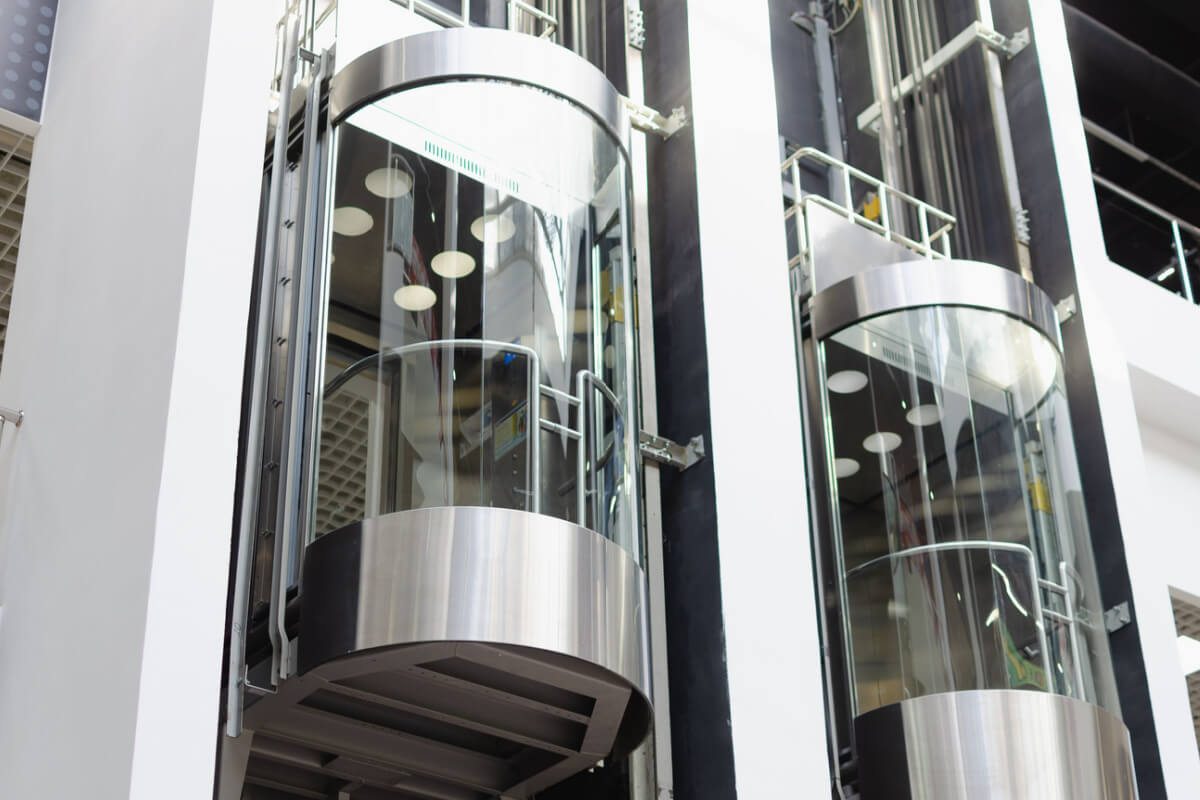
Elevators and escalators are part of daily life in many Louisiana buildings, from office towers to shopping centers. Most people use them without worry, but mechanical failures, unsafe conditions, or poor maintenance can sometimes lead to accidents. When they do, it becomes important to understand how premises responsibility works and who may be responsible under Louisiana law.

This guide explains the key safety rules, common hazards, and what people should know about building responsibility in elevator and escalator incidents.

Overview of Elevator and Escalator Incidents in Louisiana

Elevator and escalator systems are built to handle thousands of trips each year. Still, mechanical parts wear down, sensors malfunction, and spills or debris can create hazardous conditions. These incidents can lead to falls, entrapment, sudden stops, or unexpected movements.

Many of these issues happen because building equipment is not maintained properly. Routine inspections and clear safety practices play a major role in preventing problems.

“Elevators and escalators cause an estimated 17,000 injuries annually in the United States, according to the Consumer Product Safety Commission.”

Accidents can involve misaligned elevator floors, abrupt escalator stops, worn comb plates, or malfunctioning doors. Understanding how these systems work and what can go wrong helps clarify why responsibility matters.

How Premises Responsibility Works in Louisiana

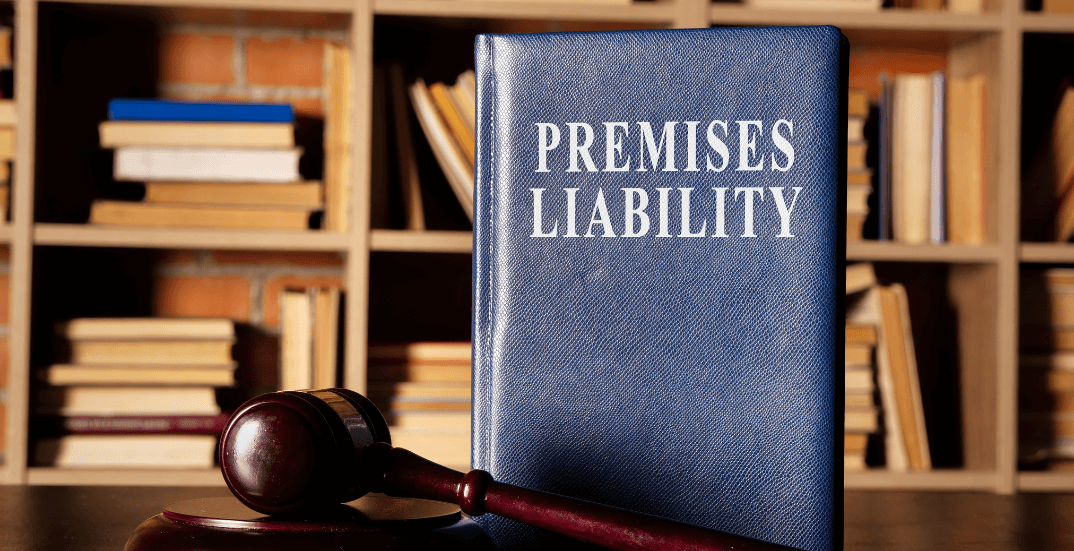
Premises responsibility describes the obligations property owners and custodians have to keep their buildings safe. In Louisiana, this applies to elevators, escalators, and other equipment that may create risk if not properly maintained.

“Louisiana Civil Code Article 2317.1 states that a custodian of a thing is responsible for damage caused by its defective condition if they knew or should have known of the defect and failed to remedy it.”

This means the person or company with control of the equipment may be responsible when a defect or unsafe condition causes harm. It may be a building owner, property management company, or another party with custody of the equipment.

Responsibility also includes making sure maintenance schedules are followed, problems are addressed quickly, and safety guidelines are in place. If warning signs are missing or known issues are ignored, the custodian may be considered responsible for unsafe conditions.

If you’re unsure how responsibility applies in a real-world scenario, speaking with a New Orleans personal injury lawyer can provide clarity about how building safety rules fit into your circumstances.

Common Mechanical Issues in Elevators and Escalators

Elevator and escalator systems contain many moving parts. Problems often occur when maintenance is delayed or components wear out over time.

Elevator malfunctions

  • Doors that fail to open or close properly
  • Cars stopping between floors
  • Unexpected jolts or leveling issues
  • Faulty sensors or electrical problems

These issues can lead to trips, falls, or sudden drops. Proper inspection logs help prevent many of these problems.

Escalator hazards

  • Sudden stops caused by mechanical failure
  • Loose or worn comb plates
  • Clothing or shoes caught in moving parts
  • Slippery surfaces from spills or debris

Modern escalators depend on functioning handrails, steps, sensors, and stopping mechanisms. When any part fails, users may lose balance or become trapped.

“The ASME A17.1 Safety Code for Elevators and Escalators outlines national safety standards commonly used as a benchmark in building maintenance.”

Premises Liability

Conditions That May Lead to Responsibility

Several building conditions can contribute to an accident, especially when maintenance or safety procedures are ignored.

A few common examples include:

  • Failure to perform regular inspections or keep accurate maintenance records
  • Ignoring known mechanical issues or delaying repairs

Another issue occurs when malfunctioning equipment remains open to the public without warning signs. A simple “out of service” notice can prevent accidents, especially when mechanical defects are obvious to building staff.

Louisiana also follows a comparative fault rule.

“Under Louisiana’s comparative fault rule, an injured person’s recovery may be reduced if they are found partially responsible for the incident.”

This means each situation is reviewed based on its specific details, not assumptions.

Get Your Free Consultation

Steps to Take After an Elevator or Escalator Accident

Anyone involved in an incident should focus on their health and collect information that helps explain what happened. Clear documentation is important when mechanical equipment is involved.

  1. Seek medical evaluation- Even mild discomfort can indicate hidden injuries.
  2. Report the incident- Notify building personnel and ask that an incident report be created. Request a copy for your records.
  3. Document the scene- Take photos of the elevator or escalator, any debris, malfunctioning parts, or warning signs.
  4. Collect witness details- Names and brief statements can help clarify what occurred.
  5. Preserve physical evidence- For example, save torn clothing or shoes if entrapment occurred.

These steps help create a clear picture of how the equipment behaved at the time of the incident.

Understanding Who May Be Responsible

Responsibility for an elevator or escalator accident varies depending on how the equipment is owned, managed, and maintained. More than one party may share responsibility.

The following table outlines common incidents and the parties who may be involved.

Types and Who May Be Liable

Incident Types and Potential Responsible Parties

Type of Incident

Common Cause

Potentially Responsible Parties

Sudden elevator drop Brake or cable failure Property owner, maintenance contractor
Elevator door malfunction Sensor or timing issue Property owner or manager
Escalator abrupt stop Mechanical failure Property owner, maintenance contractor
Entrapment of shoes/clothing Worn or loose comb plates Property owner or escalator maintenance firm
Slip hazard on escalator Spills or debris Property management or cleaning staff

Understanding responsibility involves reviewing inspection logs, repair timelines, safety signage, and compliance with state building codes.

How Building Codes and Safety Standards Influence Responsibility

Louisiana buildings must follow state building codes, which include requirements for safe operation of elevator and escalator systems. These rules may include inspection frequency, repair timelines, and equipment certification.

Compliance with ASME A17.1 and local safety codes plays a major role in identifying unsafe conditions. Missing inspection certificates or repeated code violations may help show whether equipment was maintained properly.

Buildings that follow required safety guidelines reduce risk for everyone. When they do not, the chances of mechanical failure increase significantly.

Frequently Asked Questions

What are the most common causes of elevator and escalator accidents?

Mechanical failures, worn components, debris, electrical issues, or improper maintenance often contribute to sudden stops, misalignment, or entrapment.

What responsibilities do building owners have regarding equipment safety?

Owners must inspect equipment regularly, respond to known problems, display warning signs, and follow state building codes and maintenance standards.

What should someone document after an incident?

Photograph the scene, collect witness details, request an incident report, and note anything unusual such as debris, noises, jolts, or malfunctioning doors.

How does Louisiana’s comparative fault rule apply?

Each party is assigned a percentage of responsibility. Any recovery may be reduced based on how much the injured person contributed to the incident.

Can multiple parties be responsible for a single incident?

Yes. Owners, managers, maintenance contractors, cleaning staff, or manufacturers may all share responsibility depending on the mechanical issue.

Conclusion

Elevator and escalator accidents often involve mechanical issues, worn equipment, or unsafe building conditions. Louisiana’s civil code outlines when a property owner or custodian may be responsible for a defect, and understanding these rules helps clarify how incidents occur. Clear documentation, early medical evaluation, and awareness of inspection practices all play important roles in protecting your well-being.

If you or someone you know was involved in an elevator or escalator accident and wants to understand available options, the team at Alvendia, Kelly & Demarest Law Firm is here to help. You can request a free consultation to discuss your situation and get guidance tailored to your needs.

In 2003, after being dissatisfied with the quality of legal care for victims of car accidents, Roderick ‘Rico’ Alvendia sought to establish a new firm focused on providing high-quality legal services to aid injured victims and their families. J. Bart Kelly, sharing Rico’s passion for upholding justice, joined the firm later that year, and established a partnership.

  • They helped me with every need possible. The back issues I had could have been much worse if they didn’t step in and help me. Bart, Megan, and all the people that work for this legal team are amazing. I would recommend them to anyone. Thank you all for helping me each step of the way. I can’t thank these people enough.

    - T. Gibson-Warren

  • I want to thank the whole team for all your help and persistence with my settlement. I truly appreciate.

    - A. Alfortish

  • Great experiences every time I need you guys. I always recommend your firm.

    - W. Young

  • Bart and his team were wonderful to work with. It was clear that their vision and determination to fight for our case, is why we were able to reach a settlement, where my previous attorney was not.

    - C. Perez

  • Bart Kelly and his legal team reevaluated my case after another attorney backed away from a legal challenge, I just want to say Thank You to mr kelly and his team for the hard work and dedication to my case to make it successful . Thank You

    - N. Gex

  • Attorney Kelly is an impeccable attorney. He has represented me extremely well. I was very, very, very pleased with the outcome of my settlement. He’s highly recommended … to give assistance to anyone. I thank him for his services and I’m super elated over the way he handled the case. He is a phenomenal lawyer.

    - S. Spears

  • I’ve learned the importance of having good coverage insurance, thanks to Mr. Kelly explaining everything to me. We do not hope or wait for accidents, but rest assured that I will call Mr. Kelly again if I need his services. Thank you.

    - Ann Zimmer

  • Being represented by Mr. Kelly and his legal team was a very awesome experience. They were very patient and they worked really hard in resolving my case. I would most definitely refer them to all my friends and associates. Thank you very much.

    - Nathaniel Bonney

  • I am very grateful for Mr. Bart’s assistance. He was very professional and fair. I never felt like a client with him. I always felt like a close friend. Also, I would like to thank everyone in the office for being friendly, kind, and for helping me.

    - Glac Mantuso

  • Just want to say thanks a lot because I received way more than I expected. You guys did a wonderful job of getting the max for myself and my family. Everyone I met or spoke to on the phone was really professional and nice. Once again, thanks a lot.

    - Jessica Quinn

  • J. Bart Kelly is the best attorney I have ever met. He is intelligent, caring, understanding, and knows how to protect his clients. I love his strong take-charge attitude to fight for what is right.

    - Teri Haas

  • My lawyer took the time to explain everything in a clear and concise manner. I’ve been treated fairly and with the utmost respect. I am very appreciative of all of the staff at AKD for their services.

    - James Barber

  • I am grateful for the way that my case was handled. Thanks.

    - Darryl Hill

  • Thanks to Bart and Meg. Fantastic group of people and team. Love you guys.

    - Claudine Hope

  • I was involved in a terrible accident and had a lot of serious injuries. I was so happy that Bart (and his team, including his nurse paralegal) was my attorney. The results were much more than expected as far as the settlement. Thanks.

    - Karen Bourgeois

  • I received exceptional service from the law office of Bart Kelly. He is a great attorney who cares about what you are going through, and I am very pleased with the outcome.

    - Melissa Sanchez

View all
SCHEDULE A FREE CONSULTATION