Partner at AKD Lawyers
Practice Areas: Personal Injury
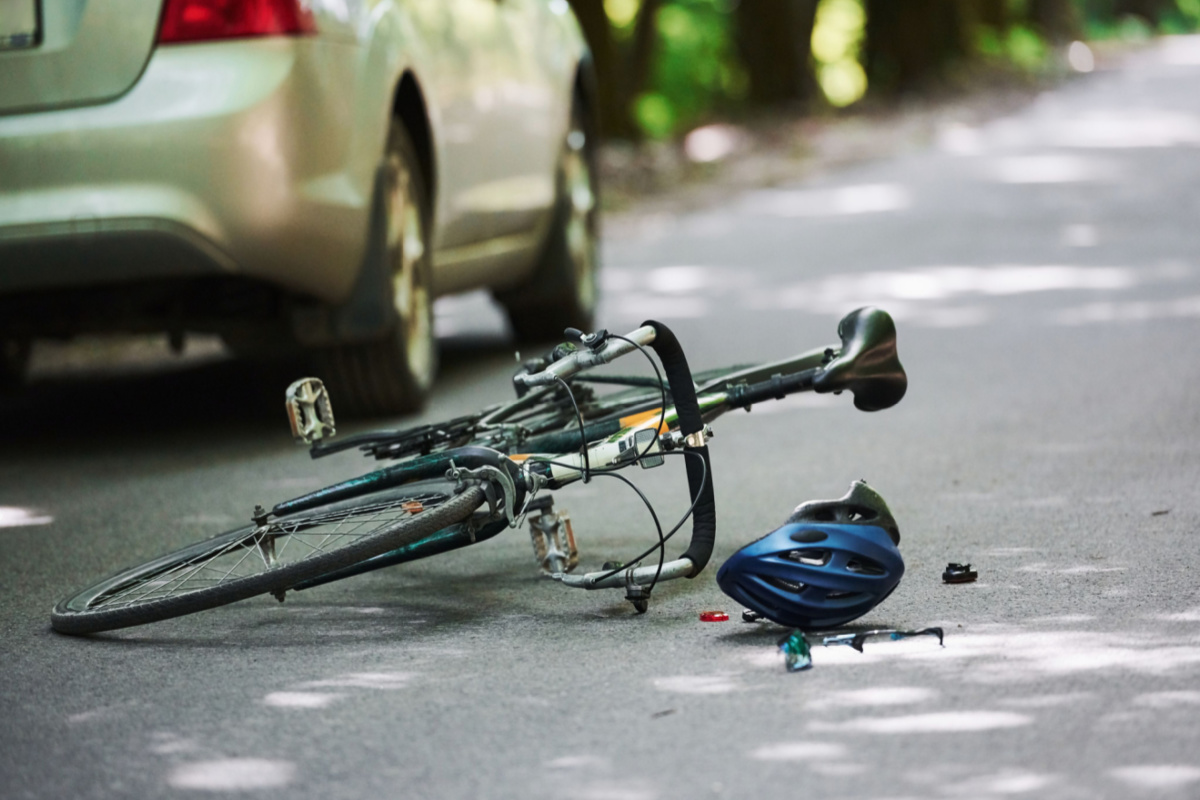
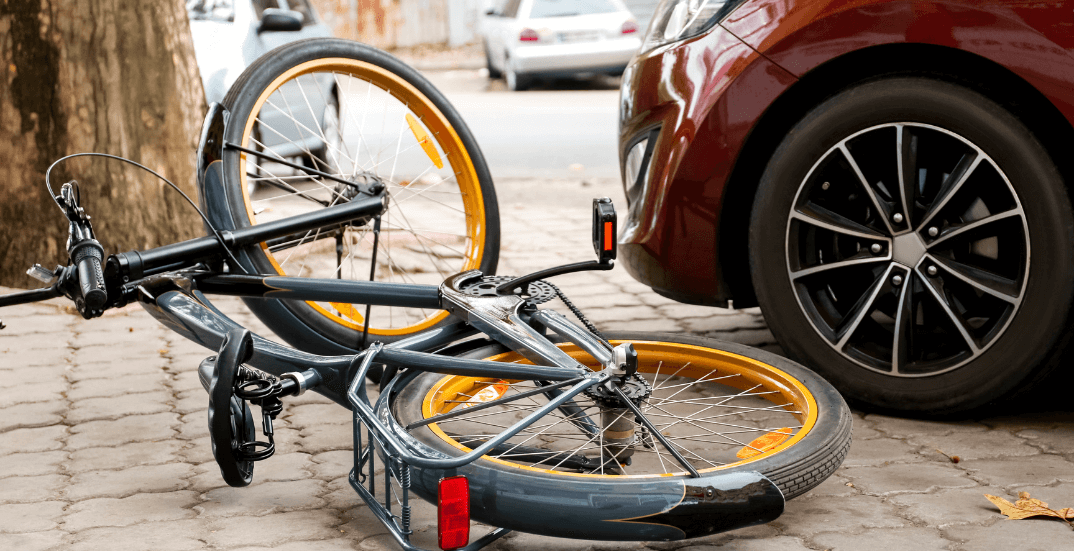
Bicycle accidents can happen in an instant, yet determining who was at fault often becomes one of the most complicated parts of the aftermath. In New Orleans, where busy roads and shared lanes are common, proving fault plays a key role in whether a cyclist can recover compensation for injuries and damages.
This guide explains how fault is determined in bicycle accidents under Louisiana law, what evidence matters most, and the factors courts and insurers typically consider.
Louisiana’s Comparative Fault System
Louisiana follows a comparative fault system under Civil Code Article 2315. This law states that each party involved in an accident is responsible for their share of negligence. That means even if a cyclist is partially at fault, they may still recover compensation just reduced by their percentage of fault.
Louisiana Civil Code Article 2315: “Every act whatever of man that causes damage to another obliges him by whose fault it happened to repair it.”
For example, if a driver fails to yield but the cyclist was also speeding, the court may assign each party a percentage of blame. A $10,000 recovery could become $7,000 if the cyclist is found 30% responsible.
Understanding this rule helps both drivers and cyclists see that liability isn’t always black and white.
Key Factors in Determining Fault
When it comes to bicycle accidents, several major factors influence how fault is established. Each one requires careful examination of evidence and behavior before and during the crash.
Traffic Law Compliance
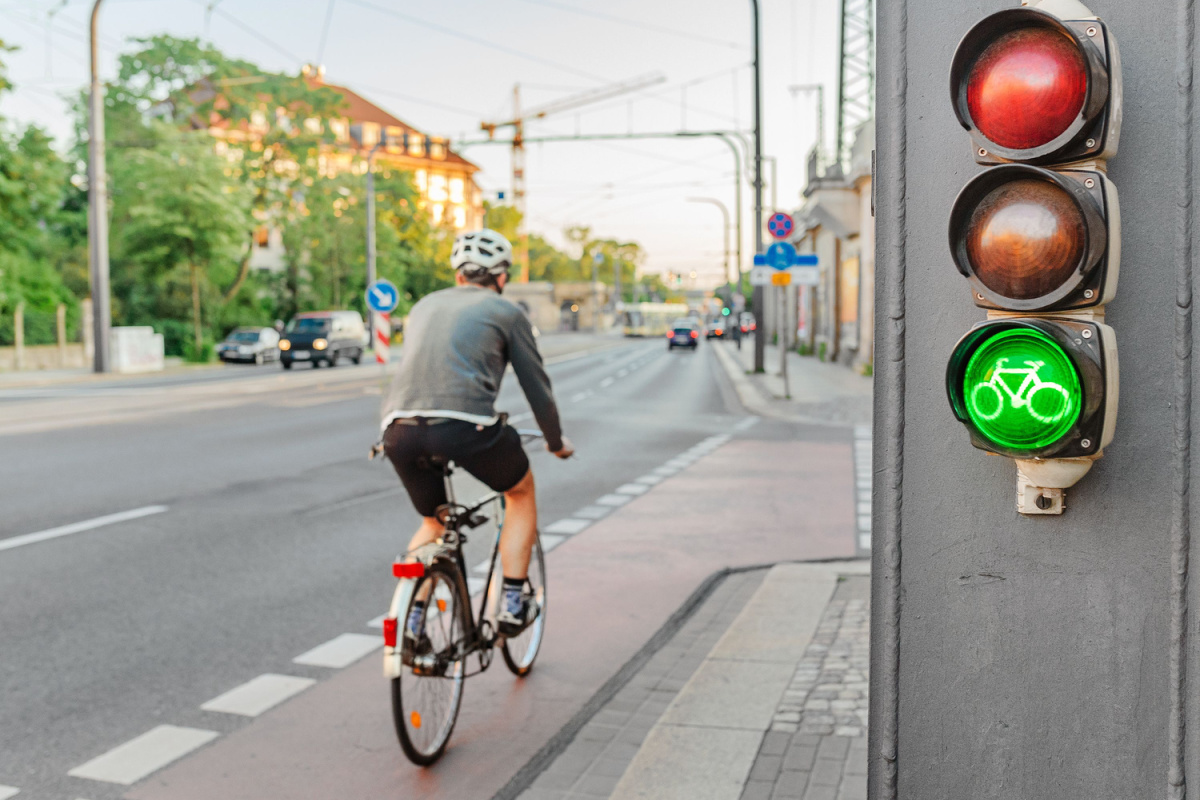
Every road user in Louisiana has a duty to follow traffic laws. When a motorist or cyclist ignores stop signs, fails to yield, or drifts into a bike lane, these violations can establish negligence.
Cyclists must also obey lights, signals, and lane rules. Evidence of a traffic violation such as citations or video footage often becomes crucial in proving fault.
Negligence and Duty of Care
Negligence means failing to take reasonable care to avoid harming others.
Common examples include:
- Drivers texting or using phones while driving
- Failing to check blind spots before turning
- Driving under the influence of alcohol or drugs
In each scenario, a duty of care exists between road users. When someone breaches that duty and causes harm, they may be held liable for the resulting injuries or damages.
Road and Environmental Conditions
Louisiana’s roadways can pose challenges for cyclists. Uneven surfaces, potholes, and unmarked construction zones are all hazards that may lead to serious accidents. Municipalities and property owners are responsible for maintaining safe road conditions.
Municipalities may share liability when poor road conditions or missing safety warnings contribute to accidents.
When a city fails to mark a construction trench or repair broken pavement, injured cyclists may have a case against both the at-fault driver and the local authority.
Witness Testimony and Police Reports
Eyewitness accounts help reconstruct the events leading up to a crash. They are especially useful when both parties provide conflicting versions of what happened. Police reports and body camera footage also provide neutral documentation that strengthens fault determinations.
If you’ve been involved in a collision involving a cyclist and a vehicle, consulting New Orleans bicycle accident lawyers can help you better understand how negligence and evidence shape liability under Louisiana law.
Get Your Free Consultation
Municipal and Third-Party Liability
Sometimes, fault extends beyond the people directly involved. Contractors, utility companies, and government agencies may share responsibility when unsafe conditions or lack of signage play a role in an accident.
In New Orleans, many bike accidents occur near construction zones or on roads with worn-out lane markings. If a contractor leaves open trenches or debris without warning cones or lights, that negligence could make them partially liable.
Cyclists can also encounter defective bike parts or faulty tires. In these cases, a manufacturer might be held responsible under product liability laws. Proving these claims often requires technical evaluation and expert analysis.
The Role of Expert Testimony
Expert opinions can make a major difference when the cause of an accident is disputed. Accident reconstruction specialists use physical evidence like tire marks, damage patterns, and vehicle positions to determine how an accident occurred. Medical experts can link specific injuries to the nature of the collision, confirming the severity and impact of negligence.
Comparative negligence means that even partially at-fault cyclists may still recover compensation, reduced by their percentage of fault.
Engineering experts may also testify in cases involving poor road design or lack of maintenance. Together, these professionals help courts and insurers understand what truly happened and who bears responsibility.
Common Contributing Factors in Louisiana Bicycle Accidents
|
Factor |
Example |
Potentially Liable Party |
Legal Relevance |
| Traffic Violation | Driver fails to yield at intersection | Motorist | Negligence per se |
| Poor Road Conditions | Potholes, missing signage | Municipality / contractor | Municipal liability |
| Cyclist Error | Riding against traffic, ignoring signals | Cyclist | Comparative negligence |
| Defective Equipment | Faulty brakes or lights | Manufacturer | Product liability |
| Construction Hazards | Open trenches or no warning cones | Contractor / City | Shared liability |
This overview shows that determining liability in bicycle collisions depends on understanding the entire chain of events and all parties involved.
Preventive and Educational Perspective
While fault determination is vital in legal cases, the ultimate goal should be reducing bicycle accidents altogether.
Both cyclists and drivers can play a part by:
- Staying alert and avoiding distractions
- Using lights, reflectors, and helmets
- Respecting bike lanes and speed limits
The Louisiana Department of Transportation and Development (LADOTD) reports that urban areas like New Orleans have higher rates of bicycle injuries due to mixed-traffic road design.
Education and awareness are the first steps toward preventing accidents and keeping everyone safer on the road.
FAQs
What laws determine fault in a Louisiana bicycle accident?
Louisiana’s Civil Code Article 2315 applies, requiring each party to take responsibility for their share of negligence.
Can both a driver and a cyclist be found at fault?
Yes. Under comparative fault, both sides may share liability based on their percentage of negligence.
Does poor road maintenance affect liability?
Yes. Unsafe road conditions can make municipalities or contractors partially responsible for an accident.
How is negligence proven in bicycle accidents?
Through evidence such as witness accounts, photos, police reports, and expert analysis of crash details.
What role do helmets or reflective gear play in determining fault?
They don’t eliminate recovery rights but can influence how responsibility is assessed for visibility.
What should cyclists do after an accident?
Document the scene, get medical care, and gather witness details to help support the fault investigation.
Conclusion
Understanding how fault is proven in bicycle accidents helps cyclists, drivers, and the community know their rights and responsibilities. Louisiana’s comparative fault laws emphasize that liability is often shared and evidence like witness statements, expert testimony, and road conditions all play a part.
If you were injured in a bicycle accident and want to better understand your options under Louisiana law, Alvendia, Kelly & Demarest Law Firm is here to help. Their experience with personal injury cases in New Orleans allows them to guide you through every step of the process.
Contact the firm today for a free consultation and learn more about your legal rights after a bicycle accident.

Categories
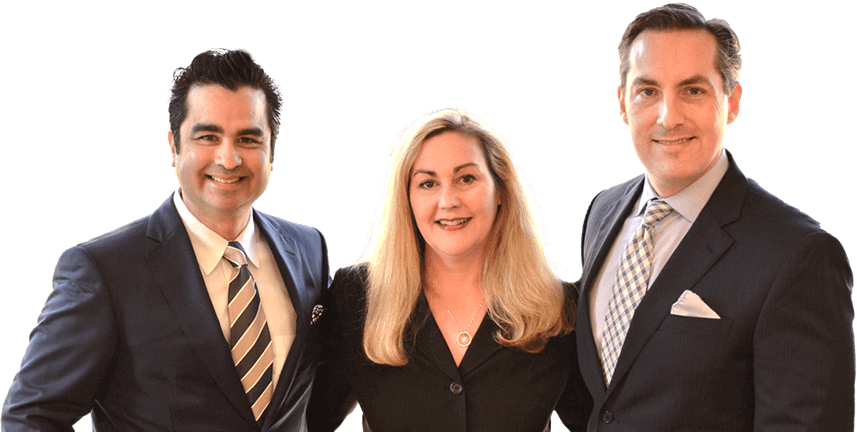
In 2003, after being dissatisfied with the quality of legal care for victims of car accidents, Roderick ‘Rico’ Alvendia sought to establish a new firm focused on providing high-quality legal services to aid injured victims and their families. J. Bart Kelly, sharing Rico’s passion for upholding justice, joined the firm later that year, and established a partnership.