

Partner at AKD Lawyers
Practice Areas: Personal Injury, Insurance Claims

The legal system is the foundation that keeps every society fair and organized. It defines how rules are made, interpreted, and enforced, helping people live together peacefully while protecting individual rights. Without a working legal system, justice would be uncertain, and conflicts would have no structure for resolution.
Understanding how the legal system works is important for everyone from students learning about government to citizens trying to understand their rights. This guide explains what the legal system is, how it functions, and why it matters in everyday life.
What Is the Legal System?
A legal system is the structured framework of laws, institutions, and procedures that govern how justice operates. It includes written laws, courts, enforcement agencies, and professionals who interpret and apply those laws.
In the United States, the legal system is built on the idea that everyone should be treated equally under the law. Laws are created by legislative bodies, enforced by government agencies, and interpreted by courts. Together, they shape the rule of law and ensure that no one is above it.
“A robust legal system underpins the rule of law, ensuring fairness, stability, and respect for individual rights.” – United Nations Rule of Law Unit
A strong legal framework not only defines what is right or wrong but also offers remedies for people harmed by unlawful actions.
Core Components of the Legal System
The legal system works as an interconnected structure where each part supports justice and accountability. Its main components include laws, the judiciary, law enforcement, and legal professionals.
- Laws
- Laws are the written rules that guide acceptable behavior. They can be:
- Statutory laws created by legislative bodies.
- Case laws based on previous judicial decisions.
- Regulations issued by government agencies.
These laws form the backbone of governance, outlining what citizens and organizations can and cannot do.
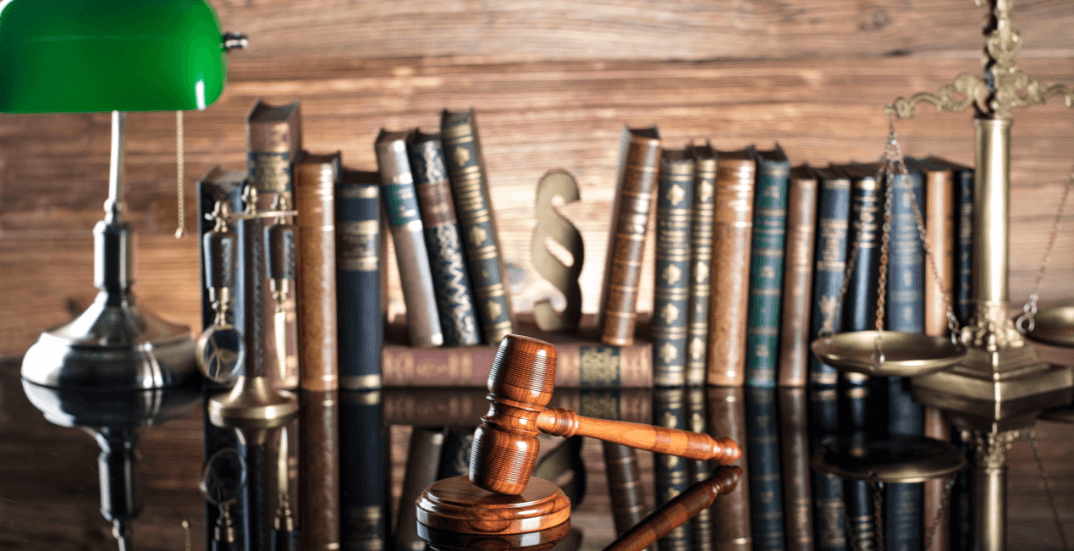
- Judicial System: Courts interpret and apply the law. Judges hear cases, ensure fairness, and create legal precedents that influence future rulings.
- Law Enforcement: Police and investigative agencies enforce laws, maintain public safety, and prevent crime. Their work ensures the law is more than just words on paper.
- Legal Professionals: Attorneys, prosecutors, and paralegals help citizens understand and apply the law. Whether drafting contracts or presenting arguments in court, they serve as essential parts of the justice process.
Types of Legal Systems Around the World
Legal systems differ across nations, reflecting culture, history, and governance. The three major types are civil law, common law, and religious or customary law.
|
Feature |
Civil Law | Common Law |
Religious / Customary Law |
| Source of Law | Written codes and statutes | Judicial precedents and case rulings | Religious texts or community traditions |
| Judicial Role | Applies written code | Interprets prior rulings | Follows spiritual or cultural principles |
| Example Countries | France, Germany, Japan | U.S., U.K., Canada | Saudi Arabia, India (personal law) |
| Flexibility | Limited interpretation | Evolving and adaptive | Depends on doctrine or custom |
Civil law countries rely heavily on written codes, leaving little room for interpretation. Common law systems, such as those in the United States and the United Kingdom, depend on court rulings and past decisions to guide future outcomes. Religious or customary systems draw their authority from faith-based or traditional practices.
Within this broader common law structure, individuals often look to a New Orleans personal injury attorney for guidance when an injury case involves complex statutes or past rulings that may affect the outcome.
The Rule of Law and Why It Matters
The rule of law ensures that everyone, citizens, corporations, and governments follows the same set of principles. It protects individuals from unfair treatment and limits the misuse of power.
“In the United States, laws derive their authority from the Constitution, interpreted by courts to maintain the balance between individual freedom and collective order.”
This principle guarantees that laws are applied equally and fairly, supporting democracy and public trust. Without the rule of law, justice would depend on personal authority instead of established principles.

The Criminal Justice System as a Part of the Legal Framework
The criminal justice system is one of the most visible parts of the legal structure. It handles crimes, investigations, trials, and punishments.
It includes three key stages:
- Law Enforcement investigates crimes and maintains public safety.
- The judiciary handles trials, ensuring fairness and accountability.
- The Corrections System manages rehabilitation and punishment after conviction.
The goal is not only to punish wrongdoing but also to protect communities and uphold justice.
“The role of law enforcement is not just punitive but also preventive, ensuring that legal frameworks serve the public interest.”
Every citizen contributes to this system by respecting laws, reporting crimes, and fulfilling civic duties such as jury service.
Evolution and Modern Challenges in Legal Systems
Legal systems have changed dramatically through history. The Magna Carta (1215) introduced the idea that no one is above the law. The U.S. Constitution (1787) created a framework of checks and balances. Later, the Universal Declaration of Human Rights (1948) established global standards for fairness and equality.
Today, technology continues to shape modern legal challenges. Courts now deal with issues like digital privacy, cybersecurity, and online contracts. International cooperation has also become essential as laws extend beyond national borders.
“Without a functioning legal framework, societies risk disorder, inequality, and erosion of fundamental rights.”
Frequently Asked Questions
What is meant by the term “legal system”?
A structured framework of laws, courts, and enforcement that ensures justice and social order.
How is the U.S. legal system structured?
It’s based on federal and state levels, combining written laws and judicial interpretation.
Why is the rule of law important?
It ensures equality before the law and protects citizens from arbitrary actions.
How do civil and common law systems differ?
Civil law relies on written codes, while common law depends on judicial rulings.
How has technology influenced legal systems?
It created new laws around data, privacy, and digital transactions.
Conclusion
The legal system is the foundation of justice and equality in any society. It shapes how we resolve conflicts, protect rights, and maintain public trust. Understanding how it works helps individuals engage responsibly as citizens and recognize the value of fair governance.
A well-functioning legal system ensures order, accountability, and progress. If you have questions about how laws affect you or need legal guidance, Alvendia, Kelly & Demarest Law Firm can help. Their experienced team offers clear, honest support to help you understand your rights and legal options.
Contact Alvendia, Kelly & Demarest Law Firm today for a free consultation and learn how the law works to protect you.

Categories

In 2003, after being dissatisfied with the quality of legal care for victims of car accidents, Roderick ‘Rico’ Alvendia sought to establish a new firm focused on providing high-quality legal services to aid injured victims and their families. J. Bart Kelly, sharing Rico’s passion for upholding justice, joined the firm later that year, and established a partnership.