
Partner at AKD Lawyers
Practice Areas: Personal Injury

Many people rely on dry shampoo to refresh their hair between washes, but recent testing has raised serious concerns. Several aerosol dry shampoos were recalled in 2025 after unsafe levels of benzene, a known carcinogen, were found during independent and regulatory testing. This recall has pushed consumers to take a closer look at what’s inside everyday personal care products and how contamination can occur.
This guide explains what led to the recall, why benzene is dangerous, how exposure happens, which products were pulled, and what consumers can do next.
Overview of the 2025 Dry Shampoo Recall
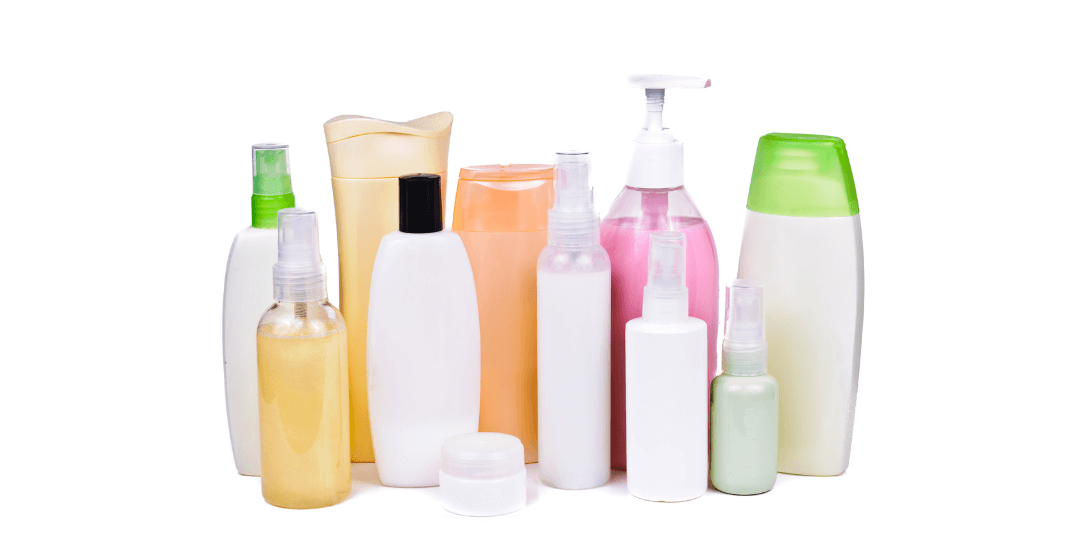
In 2025, multiple dry shampoo brands voluntarily pulled selected aerosol products off the shelves. Testing revealed benzene contamination, prompting a recall monitored by the FDA. Most affected items were aerosol sprays made by large consumer brands, including Dove, Nexxus, Suave, TRESemmé, and Bed Head.
Independent testing laboratories detected benzene in certain aerosol dry shampoo formulas, even though benzene is not intentionally added. Manufacturers believe the contamination came from the propellant used to dispense the spray.
Consumers were urged to stop using any recalled products, check specific lot numbers, and follow refund or return instructions.
Understanding Benzene and Why It Appears in Personal Care Products
Benzene is an industrial chemical classified as a known human carcinogen. It is found in the environment, in gasoline, and in certain manufacturing byproducts. Although it is banned as an ingredient in cosmetics, benzene may appear unintentionally in aerosol products due to contamination in propellants like butane and propane.
The U.S. Environmental Protection Agency classifies benzene as a known human carcinogen, noting that no safe level of exposure can be identified.
Contamination can occur when raw materials are not properly filtered or when propellants are processed without adequate purification. Because aerosol products rely on pressurized gases, they are more prone to this type of contamination than non-aerosol products.
According to the FDA, benzene contamination in aerosol products often originates from the propellant used during manufacturing rather than the primary cosmetic ingredients.
Regulatory agencies continue to monitor the issue because several categories of aerosol products have faced similar recalls over the past few years, including deodorants and sunscreen sprays.

Short-Term and Long-Term Health Concerns Linked to Benzene Exposure
Benzene can enter the body through inhalation, skin contact, or unintentional ingestion. People using aerosol products may inhale small amounts during application.
Short-term exposure may cause symptoms such as headaches, dizziness, confusion, fatigue, or skin irritation. Repeated exposure over long periods has been linked to more serious health concerns.
Research published in multiple epidemiological studies indicates that even low-level benzene exposure has been linked to significantly increased risks of leukemia and bone marrow disorders.
Studies have shown increased risks for leukemia, including acute myeloid leukemia (AML) and other blood-related illnesses. While consumer exposure from dry shampoo is generally lower than industrial exposure, repeated contact over time raises concerns, especially in aerosolized form where inhalation is easier.
List of Recalled Dry Shampoo Products (2025 Update)
A wide range of aerosol dry shampoos were recalled. Consumers should check the FDA recall database and brand announcements for updated lot numbers. The following lines were included in the recall:
Dove:
Dry Shampoo Volume and Fullness
Dry Shampoo Fresh Coconut
Dry Shampoo Fresh and Floral
Dry Shampoo Ultra Clean
Dry Shampoo Invisible
Dry Shampoo Detox and Purify
Dry Shampoo Clarifying Charcoal
Dry Shampoo Go Active
Nexxus:
Dry Shampoo Refreshing Mist
Inergy Foam Shampoo
Suave:
Dry Shampoo Hair Refresher
TRESemmé:
Dry Shampoo Volumizing
Dry Shampoo Fresh and Clean
Dry Shampoo Pro Pure
Bed Head:
Oh Bee Hive Dry Shampoo
Dirty Secret Dry Shampoo
Only specific lots were affected. Consumers should match the lot number on their bottle with the official recall list before discarding or requesting a refund.
How Consumers Can Check and Respond to Product Recalls
Consumers who think they may have purchased a recalled dry shampoo can:
- Look up the product’s lot number on the FDA recall page or the manufacturer’s website.
- Stop using the product immediately if it appears on the list.
- Follow the refund or return process outlined in the brand’s recall notice.
Many manufacturers offer full refunds for products from the impacted lots. Retailers may also accept returns depending on store policy.
Understanding the difference between recall types can help consumers know how seriously agencies treat the issue.
Voluntary vs Mandatory Recalls
| Recall Type | Issued By | When It Happens | Consumer Impact |
Authority Involved |
| Voluntary Recall | Manufacturer | Company identifies or is alerted to a safety problem | Refunds, product removal, ongoing investigation | FDA or CPSC may recommend |
| Mandatory Recall | FDA or CPSC | A company refuses or fails to recall confirmed unsafe items | Enforced removal and public notice | Federal agency requires recall |
Most beauty product recalls, including dry shampoo, begin as voluntary recalls.
Safer Alternatives to Aerosol Dry Shampoo Products
Because benzene contamination is more likely in aerosol sprays, many consumers are switching to non-aerosol options.
Popular alternatives include:
- Non-aerosol dry shampoo powders
- Cornstarch or rice starch
- Cocoa powder mixed with cornstarch for darker hair
These options help absorb oil without relying on pressurized propellants. Consumers can also explore “clean beauty” brands that publish independent lab testing results or avoid aerosol formulas entirely.
Checking ingredient lists, following recall news, and staying aware of manufacturing trends can help people make safer choices.
Broader Consumer-Safety Lessons from the Recall
The 2025 recall highlights how easily contamination can go unnoticed in everyday items. It also shows the value of regular monitoring, product testing, and transparent notifications from manufacturers and the FDA.
Consumers can take away key lessons:
- Always check recall alerts from the FDA and Consumer Product Safety Commission.
- Be cautious with aerosolized personal care products.
- Review lot numbers on products you already own.
For individuals concerned about potential exposure or health effects, monitoring updates from public health agencies and understanding consumer rights can help them stay informed and protected.
Frequently Asked Questions
What triggered the 2025 dry shampoo recall?
Testing found benzene contamination in selected aerosol dry shampoos, leading manufacturers and the FDA to issue a voluntary recall.
How does benzene get into aerosol products?
It usually enters through contaminated propellants like butane or propane used to create the aerosol spray.
What symptoms are linked to benzene exposure?
Short-term exposure may cause headaches, dizziness, fatigue, and skin irritation depending on the level of contact.
How can I check if my dry shampoo was recalled?
Match the lot number on your product with the FDA recall database or the brand’s official recall page.
Are non-aerosol dry shampoos safer?
Non-aerosol powders avoid propellant contamination and reduce inhalation risk, making them a safer option for many users.
Conclusion
The 2025 dry shampoo recall shows how contamination can occur even in common personal care products. Understanding how benzene exposure happens, checking recall notices, and choosing safer alternatives can help consumers protect themselves.
If you believe a product caused harm or you have concerns about exposure, the team at Alvendia, Kelly & Demarest Law Firm is available to review your situation. The firm can explain your options and help you understand your rights.
Reach out for a free consultation to discuss your concerns confidentially.


Categories
In 2003, after being dissatisfied with the quality of legal care for victims of car accidents, Roderick ‘Rico’ Alvendia sought to establish a new firm focused on providing high-quality legal services to aid injured victims and their families. J. Bart Kelly, sharing Rico’s passion for upholding justice, joined the firm later that year, and established a partnership.