
Partner at AKD Lawyers
Practice Areas: Personal Injury, Insurance Claims
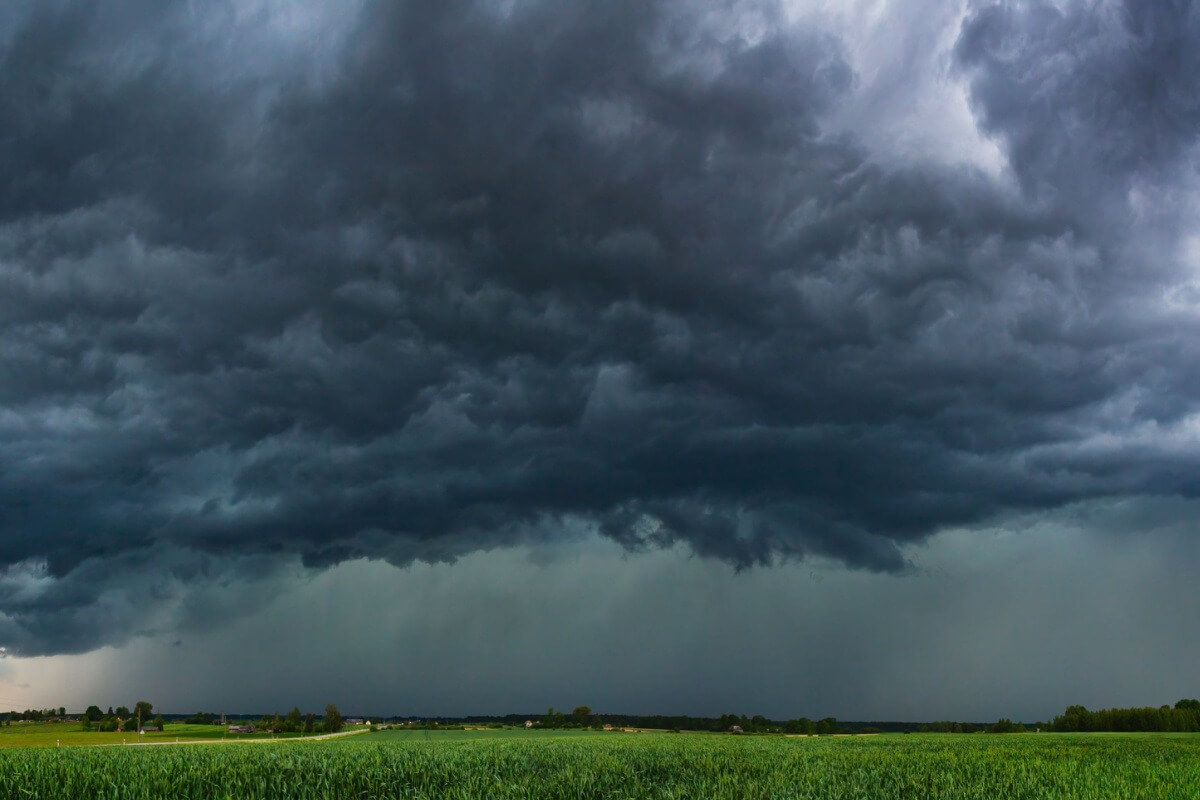
A hurricane can damage more than just a rental property. Your furniture, electronics, clothing, and other personal items can also be affected when a storm hits.
Many renters only think about insurance after the damage happens. They may assume their landlord’s policy will cover their belongings, but that insurance usually protects the building, not the tenant’s personal property.
What happens next depends on the type of damage. Wind damage, rain entering through storm-related openings, and flooding may all be treated differently by insurance companies.
Knowing what your renters insurance covers before hurricane season can help you avoid surprises when you need it most.
What Does Renters Insurance Cover During a Hurricane?
Renters insurance can help pay for certain losses caused by a hurricane. For example, if strong winds break a window and rain damages your furniture, your policy may cover those belongings.
Coverage may also apply to damage caused by events such as:
- Wind
- Lightning
- Falling objects
Some renters policies also include Additional Living Expenses (ALE) coverage. If your apartment becomes unsafe after covered damage, ALE may help with temporary housing, meals, and other extra costs.
Before hurricane season starts, check your policy limits and exclusions. Knowing what you have can prevent surprises after a storm.
Does Renters Insurance Cover Flood Damage From a Hurricane?
Usually, it does not. Standard renters insurance generally does not cover damage caused by rising water.
This includes:
- Storm surge
- Floodwater entering from outside
- Rising rivers
- Groundwater flooding
This is one of the biggest mistakes renters make when buying insurance. Many people think a hurricane policy covers everything caused by a storm, but flood damage usually requires separate coverage.
If wind damages your roof and rain enters through the opening, your renters insurance may cover the loss. If water rises from outside and floods your apartment, you will likely need flood insurance.

Do Louisiana Renters Need Flood Insurance?
Louisiana renters face a higher flood risk because of the state’s coastal areas, rivers, and low-lying communities. A separate flood insurance policy through the National Flood Insurance Program (NFIP) can help cover damage caused by flooding.
Flood insurance may help replace damaged belongings after a flood. However, it usually does not pay for temporary housing or hotel costs. That is why some renters choose to carry both renters insurance and flood insurance.
Keep in mind that flood insurance often has a waiting period before it becomes active. Buying a policy after a storm is approaching may not provide immediate protection.
What Happens When a Hurricane Damages a Rental Property?
Insurance companies often look closely at what caused the damage before deciding whether to pay a claim.
For example:
- Wind tears part of your roof, and rain damages your belongings inside the home.
- Floodwater rises and damages your furniture and electronics.
Both situations can happen during the same hurricane, but they may be covered differently. The cause of the damage often determines what insurance will pay for.
If your insurer denies your claim or disputes the cause of the damage, reviewing your policy and understanding your rights under Louisiana law can help you decide what to do next.
Get Your Free Consultation
What Are Louisiana Renters’ Rights After Hurricane Damage?
A hurricane can leave a rental property unsafe or impossible to live in. Under Louisiana Civil Code Article 2715, tenants may have the right to end a lease if the property becomes unusable in certain situations.
Whether this applies depends on the condition of the property and the circumstances after the storm.
Renters should document the damage, communicate with the landlord, and keep records of repairs and expenses.
Steps Renters Should Take Before Hurricane Season
A little preparation can make the claims process easier.
Before a storm arrives:
- Take photos and videos of your belongings.
- Save receipts for expensive items.
- Keep important documents in a safe digital location.
- Review your renters insurance policy.
- Ask your insurer about exclusions and limits.
- Consider flood insurance if you live in a high-risk area.
A home inventory can be especially helpful. It gives you proof of what you owned before damage occurred.

Renters Insurance vs Flood Insurance for Hurricane Damage
|
Damage |
Renters Insurance |
Flood Insurance |
| Wind damage | Usually covered | Usually not covered |
| Storm surge flooding | Usually not covered | Usually covered |
| Personal belongings | Covered for certain losses | Covered for flood losses |
| Temporary housing | May be covered through ALE | Usually not covered |
Having the right coverage before a storm can make recovery easier after a hurricane.
Frequently Asked Questions
Does renters insurance cover hurricane damage in Louisiana?
It may cover certain losses, such as wind damage or rain entering through storm damage. Flood damage usually requires separate flood insurance.
Does renters insurance cover storm damage?
It depends on what caused the damage. Wind and certain storm-related losses may be covered, while flooding is usually excluded.
Does renters insurance cover flooding from a hurricane?
Most renters insurance policies do not cover flood damage. Renters usually need separate flood insurance for protection against rising water.
Does my landlord’s insurance cover my belongings after a hurricane?
No. A landlord’s policy generally covers the building itself, not your furniture, electronics, clothing, or other personal belongings.
How can renters protect belongings before a hurricane?
Take photos, keep receipts, review your policy, and consider flood insurance if your area has a higher risk of flooding.
Get Help With a Hurricane Damage Insurance Claim
Hurricane damage can create difficult insurance questions, especially when wind and flooding happen during the same storm.
Renters insurance can help with some losses, but it does not replace flood insurance. Reviewing your coverage before hurricane season gives you a better idea of what protection you have.
If your rental property or personal belongings have been affected by a hurricane, Alvendia, Kelly & Demarest Law Firm can help you understand your options.
Schedule a free consultation to discuss your situation and learn how the firm supports Louisiana renters after major storms.


Categories

In 2003, after being dissatisfied with the quality of legal care for victims of car accidents, Roderick ‘Rico’ Alvendia sought to establish a new firm focused on providing high-quality legal services to aid injured victims and their families. J. Bart Kelly, sharing Rico’s passion for upholding justice, joined the firm later that year, and established a partnership.