
Partner at AKD Lawyers
Practice Areas: Personal Injury, Insurance Claims
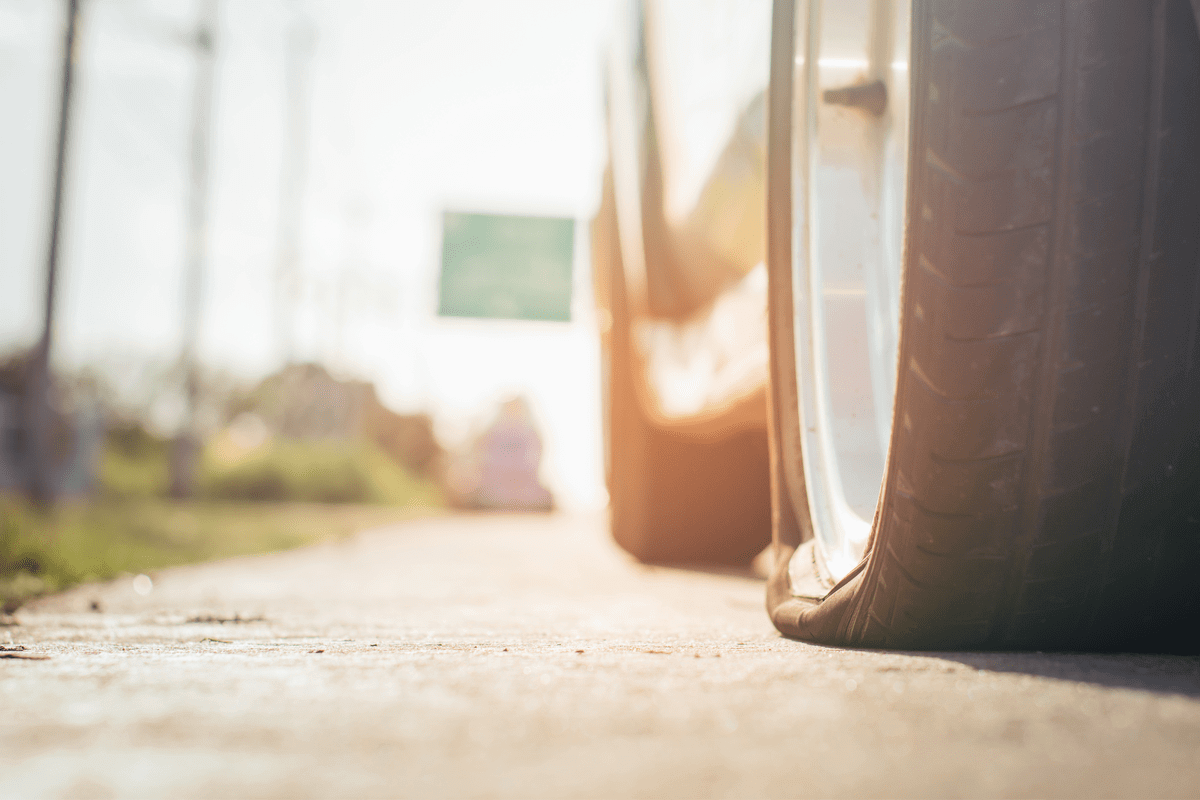
A tire blowout can turn a normal drive into a dangerous situation within seconds. The sharp noise, sudden drop in tire pressure, and instant loss of control often leave drivers with little time to react. On Louisiana roads, where heat, humidity, and rough surfaces are common, tire failures occur more often than many people expect.
This guide explains how tire blowouts happen, why they are so risky, and how liability is determined when an accident occurs. It uses clear, helpful information to give drivers a better understanding of how these incidents unfold and the many factors that influence responsibility.
The National Highway Traffic Safety Administration (NHTSA) estimates that tire-related issues contribute to more than 600 fatalities annually in the United States.
Understanding Tire Blowouts and Why They Happen
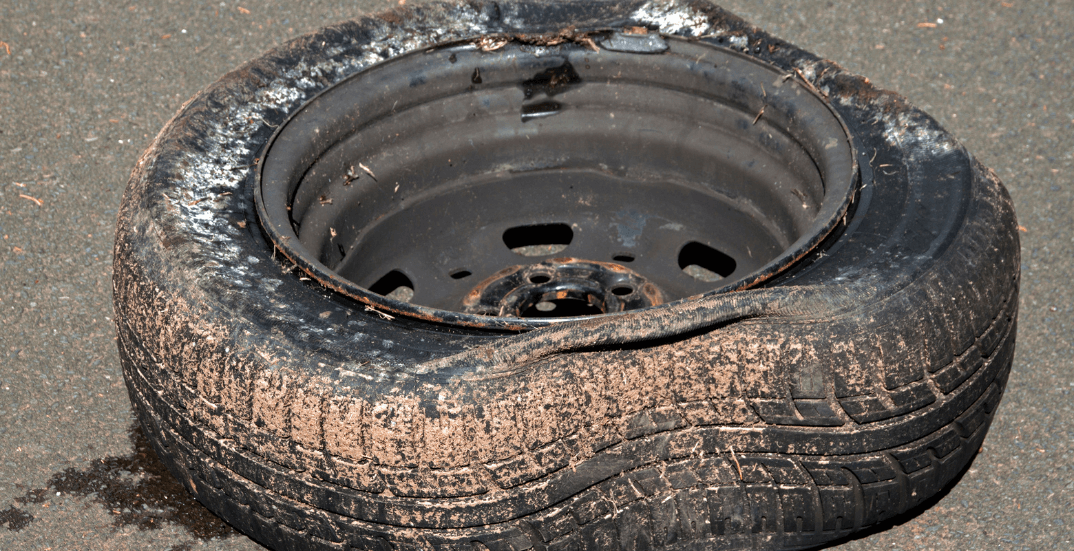
A tire blowout occurs when a tire rapidly loses air and bursts, making it difficult for the driver to keep control of the vehicle. Blowouts differ from slow leaks or flats. They happen suddenly and often at higher speeds, which increases the risk of a crash.
Louisiana’s climate and road surfaces play a large role in these events. Hot weather causes tire pressure to rise quickly, and uneven roads create extra stress on the rubber.
High temperatures can increase tire pressure by 1 to 2 PSI for every 10°F rise, which significantly raises the risk of failure during Louisiana’s summer heat.
Drivers may experience a loud pop, vibration, or strong pull to one side. In severe cases, the vehicle may fishtail or roll over. These crash dynamics explain why tire blowout accidents are among the most dangerous highway incidents.
Common Causes of Tire Blowouts on Louisiana Roads
Tire failures rarely happen without warning. Most blowouts can be traced to specific underlying causes. Understanding these factors helps clarify where liability may fall.
Key causes include:
- Underinflated or overinflated tires that cannot handle pressure changes
- Worn tread or aging rubber that weakens over time
- Tread separation, which often occurs at highway speeds
- Overloading the vehicle, putting excess pressure on the tires
Louisiana roads add extra challenges. Potholes, debris, and rough patches can create sudden impact damage. Weather also plays a role. Heat accelerates rubber degradation, while humidity affects tire structure and sidewall strength. Drivers who do not regularly inspect their tires may not notice these warning signs until it is too late.
Mechanical factors matter as well. Incorrect tire installation, mismatched tire sizes, or loose lug nuts can all contribute to sudden failures. Many drivers are unaware that simple maintenance mistakes increase the risk of a highway blowout.
How Liability Works in Tire Blowout Accidents
A tire blowing out does not automatically mean the driver is at fault. Liability depends on what caused the tire to fail. In many cases, responsibility involves multiple parties.
Possible responsible parties usually include:
- The driver, if maintenance was neglected
- A tire manufacturer, if a defect or design flaw caused the failure
- A mechanic or installer, if the wrong tire was used or errors were made during installation
- A government authority, if poor road conditions contributed to the blowout
- Another motorist, if they left debris or created hazards on the roadway
Louisiana relies on negligence principles when evaluating incidents. Each case may involve different evidence, such as road photos, tire condition reports, or maintenance history. Shared liability can also apply if more than one factor contributed to the accident.
Louisiana’s Civil Code Article 3492 provides a one-year prescriptive period for filing personal injury claims related to vehicle incidents.
The short deadline makes early documentation essential.
How Road Conditions, Weather, and Maintenance Affect Responsibility
Louisiana’s climate and road environment contribute heavily to tire blowout incidents. High heat softens asphalt, increases internal tire pressure, and speeds up tread wear. Humidity affects rubber flexibility. When paired with uneven surfaces or potholes, these conditions create a higher risk of sudden tire failure.
Poor road maintenance can play a role in determining responsibility. If a known hazard remained unrepaired for an extended period, a government authority could share responsibility. At the same time, drivers are expected to maintain their tires and check for visible damage.
A blowout caused by worn tread or poor upkeep may shift liability back to the vehicle owner.
Louisiana ranks high for road surface deterioration, a factor that significantly increases the likelihood of tire damage and sudden failures.
Understanding how these forces interact helps clarify why determining liability is often complex.
Get Your Free Consultation
Insurance Considerations After a Tire Blowout
Insurance coverage after a tire blowout depends on the type of policy and the circumstances of the crash. Collision insurance may apply if the vehicle is damaged during the accident, while comprehensive coverage may come into play if a road hazard triggered the blowout.
Insurers often review:
- Tire wear and maintenance
- Photos from the scene
- Road conditions
- Evidence of overloading
- Mechanical records
Claims may be denied if the tire showed signs of neglect or improper upkeep. In contrast, a defect or unexpected road hazard may lead to broader coverage. Each situation is unique, so drivers should understand how their specific policy handles tire-related damage.
Steps to Take After a Tire Blowout Accident
Knowing what to do immediately after a blowout can help protect your safety and preserve important evidence.
- Move to a safe location and check for injuries.
- Document the scene, including the damaged tire, road surface, and surroundings.
- Keep the blown tire, as it may show signs of a defect or road impact.
- Note any visible hazards like potholes or debris.
- Review maintenance records and tire receipts.
These steps help establish whether the tire failure resulted from maintenance issues, road conditions, or a possible defect.

Table: Factors That Influence Liability in Tire Blowout Accidents
|
Potential Party |
When They May Be Responsible |
Key Indicators or Evidence |
| Driver | Poor maintenance, overloading, ignoring tire wear | Low tread, underinflation, maintenance gaps |
| Tire Manufacturer | Defective materials or faulty construction | Tread separation, recall information |
| Mechanic or Installer | Wrong tire size or installation error | Improper mounting, mismatched tires |
| Government Entity | Poorly maintained roads or hazards | Potholes, debris, prior complaints |
| Third Party | Debris left on roadway | Object at scene, witness statements |
Preventing Tire Blowouts: Simple Guidance for Louisiana Drivers
Prevention starts with routine checks. Drivers should monitor tire pressure, inspect tread depth, and avoid overloading their vehicles. Heat is a major factor in Louisiana, so ensuring proper inflation is important. Uneven wear, bulges, and sidewall cracks are clear warnings that a tire needs attention.
Maintaining tires reduces risks and helps drivers stay safe on busy highways. Regular inspections also make it easier to catch early signs of deterioration caused by heat, rough roads, or aging rubber.
FAQs
What causes a tire to suddenly blow out while driving?
Sudden blowouts come from low pressure, worn tread, heat buildup, debris, or internal tire defects that weaken the structure.
How does Louisiana’s climate increase tire failure risk?
High heat raises tire pressure, weakens rubber, and speeds up tread wear, making sudden failures more likely on long drives.
Can poor road conditions contribute to blowouts?
Yes, potholes and sharp debris can damage the tire structure, creating sudden failures or slow damage that leads to a blowout.
What evidence should be collected after a blowout crash?
Photos, the damaged tire, maintenance records, and witness details help show whether maintenance, defects, or hazards were involved.
Does insurance cover accidents caused by tire blowouts?
Coverage varies, but collision or comprehensive insurance may apply depending on whether maintenance, hazards, or defects caused the failure.
Conclusion
Tire blowouts can happen for many reasons, including worn tread, road hazards, heat exposure, or maintenance issues. Understanding how these failures occur and how liability is determined helps drivers navigate the aftermath more confidently. Each situation depends on the tire’s condition, surrounding road environment, and the evidence gathered at the scene.
If you or someone you know has been involved in a tire blowout accident and needs guidance on the next steps, the team at Alvendia, Kelly & Demarest Law Firm can help you understand your options. Speaking with a New Orleans personal injury lawyer during a free consultation can provide clarity and help you move forward with confidence.

Categories

In 2003, after being dissatisfied with the quality of legal care for victims of car accidents, Roderick ‘Rico’ Alvendia sought to establish a new firm focused on providing high-quality legal services to aid injured victims and their families. J. Bart Kelly, sharing Rico’s passion for upholding justice, joined the firm later that year, and established a partnership.