
Partner at AKD Lawyers
Practice Areas: Personal Injury, Insurance Claims

Traumatic brain injuries can change a person’s life in an instant. Among the most serious forms is a diffuse axonal injury, a condition that often develops after sudden, forceful movement of the head. These injuries can be hard to detect, difficult to manage, and life altering for both the individual and their family.
This guide breaks down what diffuse axonal injuries are, how they happen, what Louisiana residents should know about state laws, and why strong medical documentation plays such an important role in navigating the effects of a traumatic brain injury.
What Are Traumatic Brain Injuries?
A traumatic brain injury is damage to the brain caused by a sudden blow, jolt, or violent motion. These injuries can range from mild to severe and affect physical, emotional, and cognitive functioning.
People often develop TBIs after:
- Vehicle collisions involving sudden acceleration or deceleration
- Falls or blunt force impacts to the head
Symptoms may appear immediately or gradually. Confusion, headaches, memory issues, mood changes, or sleep disruption are common. Because every brain responds differently, no two injuries look the same.
The CDC reports that more than 1.5 million Americans experience a traumatic brain injury each year, making it a major public health concern.
In Louisiana, many TBIs result from high-speed car crashes, workplace incidents, and fall-related impacts.
What Makes Diffuse Axonal Injury Different?
A diffuse axonal injury forms when the brain shifts rapidly inside the skull. This movement stretches and tears long nerve fibers called axons, disrupting the brain’s ability to send and receive signals.
This type of injury often appears in situations involving:
- High-speed collisions
- Sudden rotational forces
- Violent shaking or impact
DAIs are considered one of the most severe forms of traumatic brain injury because the damage is widespread rather than limited to one area. People may experience long-term cognitive, physical, or emotional challenges.
Many diffuse axonal injuries do not appear on standard CT scans, which is why advanced imaging and clinical evaluations are essential for proper diagnosis.
This diagnostic difficulty can delay care if symptoms are mistaken for something minor.
Symptoms and Diagnosis of Diffuse Axonal Injury
Symptoms vary based on the severity of the injury, but many individuals experience:
- Loss of consciousness at the moment of impact
- Cognitive changes such as confusion, memory problems, or difficulty focusing
Some people also notice changes in balance, speech, or mood. These signs may appear gradually, making early monitoring important.
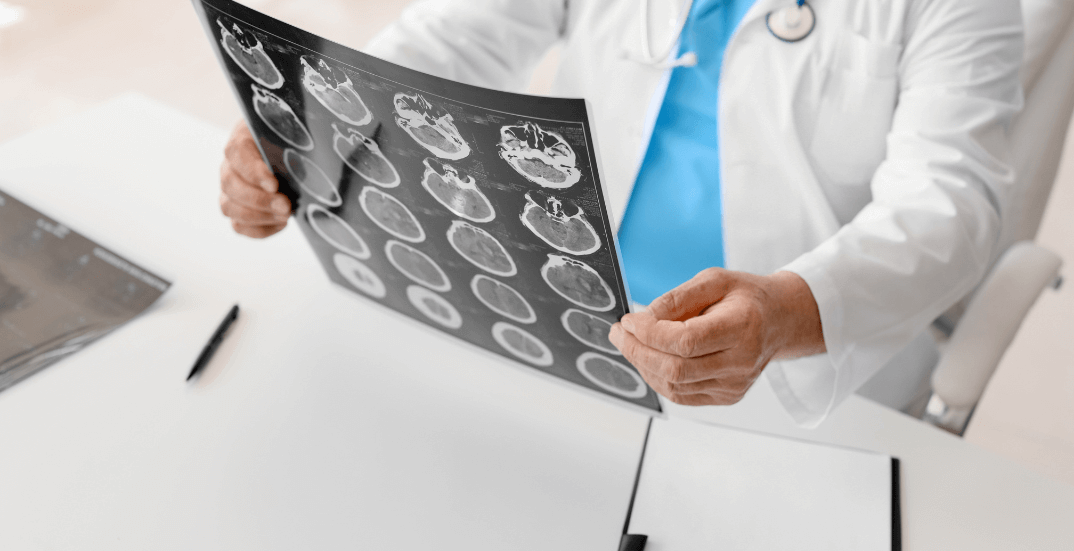
Doctors rely on a combination of tools to evaluate a DAI, including:
- MRI scans
- Neuropsychological assessments
- Detailed neurological exams
These assessments help identify subtle forms of damage that imaging alone may miss.
Louisiana Specific Considerations for TBIs
Louisiana has rules that can influence how injury cases are evaluated, especially when fault is shared among the parties involved.
Comparative Fault Rule
Louisiana follows a comparative fault system.
Louisiana’s comparative fault law under La. Civ. Code art. 2323 allows individuals to recover damages even if they share some responsibility for an incident.
If a person is found partially at fault, percentage-based reductions may apply.
Statute of Limitations
In Louisiana, timing is critical.
Most injury-related actions must be filed within one year under La. Civ. Code art. 3492, making early documentation important.
Even for those focused solely on recovery, keeping track of symptoms and medical evaluations can help ensure nothing is overlooked.
Long Term Impact and Recovery Pathways
Recovering from a diffuse axonal injury can take time. Some individuals see improvements within months, while others require ongoing support.
Rehabilitation commonly involves several types of therapy such as cognitive strengthening, physical conditioning, speech therapy, and occupational training. Emotional and behavioral support is equally important, as many patients experience personality or mood shifts after a severe brain injury.
Community support groups, case managers, and long-term care programs can help people adjust to daily routines and manage lingering effects. Recovery is often non-linear, and progress may come in stages rather than all at once.
Documenting a Diffuse Axonal Injury
Keeping clear records helps show how a diffuse axonal injury affects daily life. A simple daily log can track symptoms like headaches, confusion, mood shifts, or difficulty focusing.
Medical notes from neurologists, therapists, or rehabilitation specialists also help show how the injury is progressing. Observations from coworkers, teachers, or caregivers add another layer by highlighting changes in work, school, or routine tasks.
Together, these details create a straightforward timeline that shows what has improved, what has not, and how the injury affects everyday functioning.

Challenges in Insurance or Administrative Processes
Because diffuse axonal injuries are not always visible on imaging, they can be misunderstood or underestimated. Insurance reviews may question the severity of symptoms or attribute them to unrelated issues. Independent examinations may also produce conflicting opinions.
Maintaining complete records, staying consistent with appointments, and documenting even subtle changes can help individuals navigate these processes more smoothly. This information offers a clearer picture of how the injury is impacting work, relationships, and daily life.
Types of Traumatic Brain Injuries and Their Characteristics
|
Type of TBI |
How It Occurs | Common Symptoms |
Diagnostic Challenges |
| Concussion | Impact or jolt | Headaches, confusion | May not appear on scans |
| Contusion | Direct hit | Localized bleeding | Often visible on imaging |
| Diffuse Axonal Injury | Sudden acceleration or rotation | Loss of consciousness, cognitive decline | Often invisible on CT scans |
| Penetrating Injury | Object enters skull | Severe physical trauma | Usually clear on imaging |
| Coup-Contrecoup | Whiplash like motion | Symptoms on both sides of the brain | Hard to pinpoint specific cause |
Frequently Asked Questions
What is a diffuse axonal injury and how is it different from a concussion?
A diffuse axonal injury causes widespread nerve fiber damage from rapid movement, while a concussion usually affects a smaller area and may resolve more quickly.
Can a diffuse axonal injury happen without direct impact?
Yes. Sudden rotation or acceleration of the head can stretch brain tissue and cause widespread damage even without a direct hit.
Why are diffuse axonal injuries hard to diagnose?
Many DAIs don’t appear on basic imaging, so doctors rely on MRI scans and neurological exams to identify subtle changes.
What symptoms should families watch for after a suspected TBI?
Watch for confusion, memory issues, delayed thinking, changes in mood, speech problems, or coordination issues after an impact.
How does comparative fault affect a brain injury situation in Louisiana?
Louisiana allows recovery even when individuals share responsibility, but the percentage of fault may reduce the final amount.
Conclusion
Diffuse axonal injuries are complex and often misunderstood, but understanding how they develop, how symptoms evolve, and how Louisiana’s rules apply can help individuals make more informed decisions during recovery. Tracking medical updates, daily changes, and functional challenges also creates a clearer picture of the injury’s long-term impact.
If you or someone close to you is dealing with the effects of a traumatic brain injury, speaking with a knowledgeable New Orleans personal injury lawyer can help you understand your options and the next steps available. Alvendia, Kelly & Demarest Law Firm offers guidance for individuals navigating serious injuries. You can reach out to schedule a free consultation whenever you feel ready to explore your situation further.


Categories
In 2003, after being dissatisfied with the quality of legal care for victims of car accidents, Roderick ‘Rico’ Alvendia sought to establish a new firm focused on providing high-quality legal services to aid injured victims and their families. J. Bart Kelly, sharing Rico’s passion for upholding justice, joined the firm later that year, and established a partnership.