
Partner at AKD Lawyers
Practice Areas: Personal Injury

Accidents involving cars and accidents involving large commercial trucks may happen on the same roads, but the process of understanding what caused them and how they are handled afterward is very different. In Louisiana, these differences come from the type of vehicle involved, the evidence required, how insurance works, and the regulations that apply to commercial carriers.
This guide explains the major distinctions between car and truck accident claims in a clear, reader-friendly format, using verified information, Louisiana law, and federal standards.
How Car and Truck Accident Claims Differ
Most car crashes involve two drivers and a fairly straightforward investigation. Truck accidents involve a commercial vehicle often weighing up to 80,000 pounds, strict federal rules, and several companies connected to one truck.
These cases also demand deeper accident reconstruction and more time spent reviewing records, because the operation of a commercial truck is regulated at multiple levels.
Understanding these differences can help anyone involved in a collision grasp why these cases take more time, involve more parties, and require more documentation.
Liability Framework in Louisiana for Car vs. Truck Collisions
Louisiana follows a fault-based system. In many car crashes, one driver is responsible for causing the collision. Truck incidents often involve more than one party, which can include:
- The truck driver
- The trucking company
- A third-party maintenance team
- A freight or shipping company
- A loading crew
These additional layers form the core of what makes a truck incident more complex than a typical car crash.
According to Louisiana Civil Code Article 2315, any person who causes damage to another is responsible for repairing it. This statute forms the foundation of liability assessments in both car and truck collisions.
Truck drivers must also follow federal regulations that do not apply to regular drivers. Violations, such as issues with hours-of-service or unsafe loading practices, may expand liability to employers or contractors involved in operating the truck.
Comparative fault also plays a role in Louisiana. A person’s compensation can be reduced if they share responsibility for what happened, which applies to both car and truck crashes.
If someone is dealing with a serious commercial vehicle crash and needs clarity on the next steps, speaking with New Orleans truck accident attorneys can help them understand how multi-party liability and federal regulations may affect their situation.
Insurance Standards and Coverage Differences
Insurance coverage affects how claims progress. Regular drivers rely on Louisiana’s minimum automobile insurance. Commercial drivers follow federal rules that set much higher coverage standards.
Commercial motor carriers operating across state lines must maintain at least 750,000 dollars in liability coverage for general freight, as required by the Federal Motor Carrier Safety Administration.
Truck insurers also conduct deeper reviews due to higher policy limits. Claims involving commercial carriers often require additional paperwork, review of compliance records, and longer processing times because more money and more stakeholders are involved.
Evidence Requirements and Why Truck Investigations Are More Complex
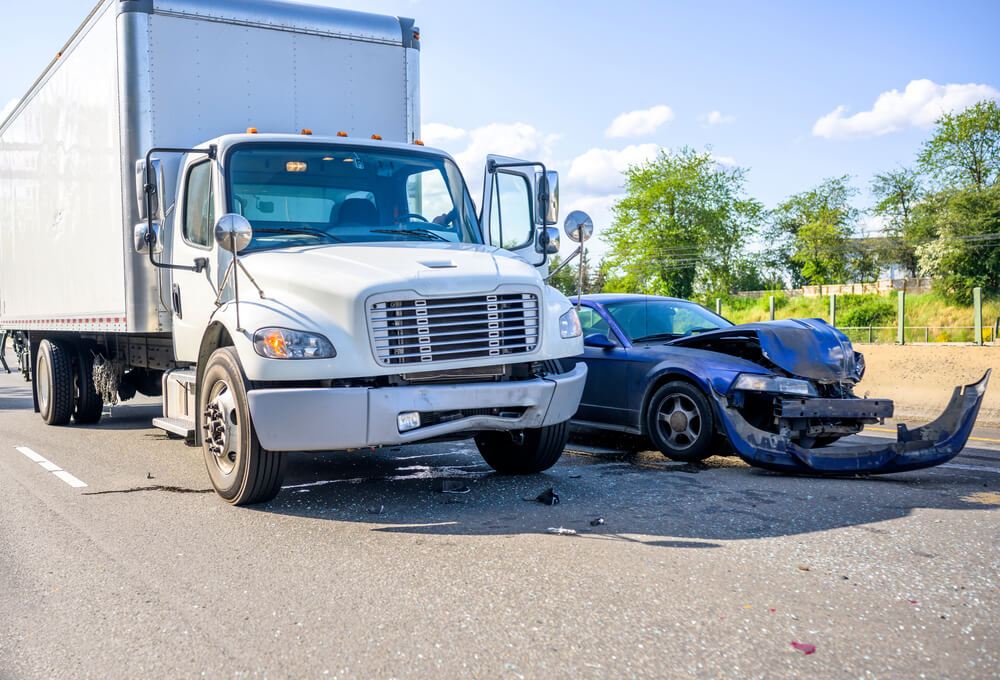
Car accidents rely on common forms of evidence such as police reports, witness statements, and photographs. Truck incidents involve all of that plus extensive operational records.
Investigators may review:
- Electronic logging device (ELD) data
- Black box or ECM information
- GPS and telematics records
- Cargo and weight documentation
- Driver qualification files
- Maintenance and inspection reports
- Hours-of-service compliance logs
Trucking companies are required by federal law to retain logbooks and inspection reports for only six months, making timely evidence preservation essential in large-vehicle collisions.
Because these records can disappear after a short period, early documentation is especially important. These layers of data help determine whether violations occurred or if equipment or cargo contributed to the incident.
Get Your Free Consultation
Injury Severity and Impact of Vehicle Size
A major distinction between car and truck collisions is the level of force involved. Trucks often weigh 20 times more than a typical passenger vehicle, which creates stronger impacts and more severe injuries.
A fully loaded commercial truck can weigh up to 80,000 pounds, compared to approximately 3,500 to 4,000 pounds for a standard passenger car. This significant size difference increases the force generated during a collision.
Injuries seen more often in large-vehicle crashes include traumatic brain injuries, spinal trauma, crush injuries, internal organ injuries, and long-term mobility impairments.
The size, weight, and stopping distance of trucks also influence crash outcomes, making them different from standard vehicle impacts.
Timelines and Procedural Considerations
Louisiana allows one year from the date of the incident to bring an injury claim. With truck-related incidents, the timeline for preserving evidence can be even shorter because federal law allows companies to discard certain records after six months.
Longer investigations may occur because:
- multiple companies may be involved
- more evidence must be reviewed
- federal and state regulations overlap
Keeping medical records, photographs, notes taken after the incident, and any repair documents helps strengthen a case, regardless of whether it involves a car or a truck.
Special Scenarios: No-Contact Incidents and Cargo-Related Accidents
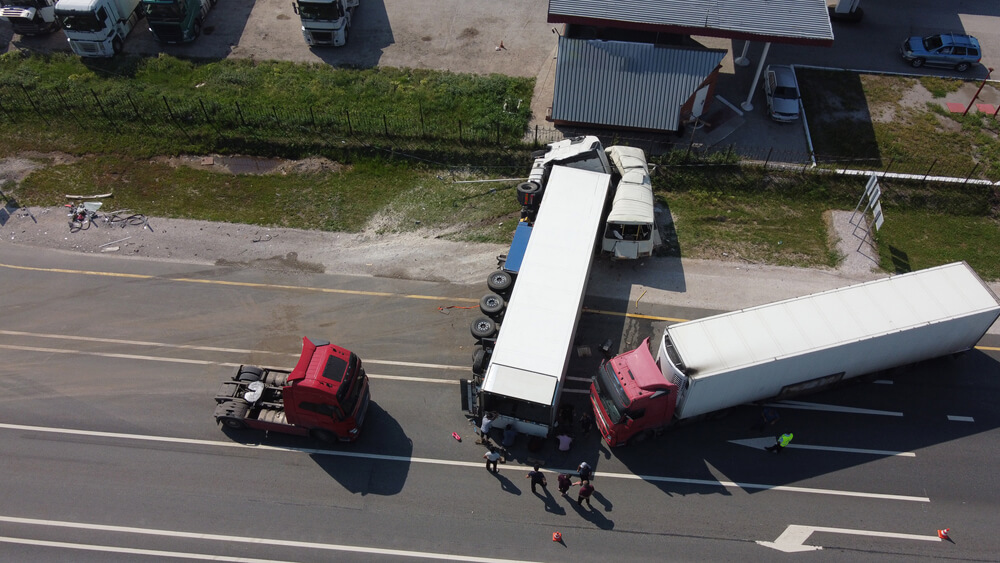
Not every collision involves direct contact. Commercial trucks sometimes cause other drivers to swerve or leave the roadway because of sudden lane changes, wide turns, or drifting. These are called no-contact accidents.
Cargo issues can also affect liability. Improperly secured or unbalanced freight can shift and cause a truck to roll, jackknife, or lose control. In those situations, responsibility may involve the team that loaded the truck or the shipping company that prepared the cargo.
Car vs. Truck Accident Claim Comparison Table
|
Factor |
Car Accident |
Truck Accident |
| Liability | Typically one driver | Multiple parties possible |
| Regulations | State traffic laws | FMCSA federal rules |
| Insurance | State minimum coverage | Higher federal minimums |
| Evidence | Basic reports and photos | Black box data and operational records |
| Complexity | Standard investigation | Multi-layered review |
| Record Retention | Regular documentation | Key records kept six months |
| Injury Severity | Often moderate | Frequently severe |
Frequently Asked Questions
Why are truck accident investigations more complex?
They require more records such as black box data, logbooks, inspection files, and GPS information, which adds several layers to the investigation.
How do federal trucking rules affect liability?
FMCSA regulations govern safety and operations. Violations can shift responsibility to the trucking company or others involved.
What is the difference in evidence between car and truck cases?
Car cases rely on basic documents, while truck cases require extensive operational records and electronic data.
Why are injuries worse in truck collisions?
The weight and force of commercial trucks often create more severe impacts that cause serious or long-term injuries.
What should someone do after an incident involving a commercial vehicle?
Document the scene, save all records, seek medical attention, and preserve files that may help show what happened.
Conclusion
Car and truck accident claims differ because commercial vehicles follow strict federal regulations, involve more parties, carry higher insurance limits, and generate more evidence. Understanding these distinctions helps anyone involved in a collision make informed decisions and recognize why these cases require more detailed review.
If you were involved in a serious motor vehicle incident and need guidance, the Alvendia, Kelly and Demarest Law Firm can help you understand your options and review the details of your situation. You can request a free consultation to discuss your circumstances and learn what steps may come next.


Categories

In 2003, after being dissatisfied with the quality of legal care for victims of car accidents, Roderick ‘Rico’ Alvendia sought to establish a new firm focused on providing high-quality legal services to aid injured victims and their families. J. Bart Kelly, sharing Rico’s passion for upholding justice, joined the firm later that year, and established a partnership.