
Partner at AKD Lawyers
Practice Areas: Personal Injury, Insurance Claims

Overloaded semi-trucks are a hidden threat on highways. When a truck carries more weight than allowed, everything from braking to steering becomes more difficult. These performance issues can turn small mistakes into serious crashes. Understanding how weight affects truck safety helps drivers, families, and readers stay informed about why overloaded commercial vehicles are such a problem.
This guide explains weight regulations, the reasons overloading occurs, how it impacts vehicle control, and why it places heavy pressure on public roads.
Understanding Truck Weight Regulations
Every commercial truck on the road must follow federal and state weight restrictions. These rules exist to ensure that trucks operate safely and do not damage road infrastructure.
The Federal Highway Administration sets the national gross vehicle weight limit for commercial trucks at 80,000 pounds, including cargo, tractor, and trailer combined.
Federal rules use the Federal Bridge Formula to determine safe weight distribution across a truck’s axles. This formula helps prevent too much stress on bridges and roads by requiring enough spacing between axles.
Key federal limits include:
- 20,000 pounds for a single axle
- 34,000 pounds for tandem axles
Many states add their own rules. Some require overweight permits, while others impose heavier fines for exceeding limits. Weigh stations and roadside inspections help enforce compliance, and portable scales are used when a truck cannot reach a permanent station.
These regulations work together to prevent trucks from becoming unstable or putting pressure on mechanical systems that were not designed to handle excess weight.
Why Overloading Happens
Overloading may seem avoidable, yet it continues to occur across the trucking industry. Several factors contribute to the problem.
Economic pressure is one of the biggest reasons. Shippers and carriers often work under tight timelines. When schedules are rushed, proper weighing can be overlooked. Some operators misjudge cargo weight or fail to distribute freight evenly across axles.
Lack of training or poor communication between shipping facilities and drivers can also lead to unintentional violations. A second issue is the desire to cut costs. Carrying more freight in a single trip can appear efficient, but the long-term risks outweigh the benefits. When overloading becomes routine, it strains both mechanical systems and public roadways.
Understanding the motivations behind overloading helps highlight why education, oversight, and proper training matter.
Safety Risks and Performance Issues
Overloaded semi-trucks face a higher risk of crashes because the truck cannot respond the way it should under standard weight. The added mass affects braking, mechanical components, stability, and handling.
Braking and Stopping Distance
A fully loaded semi-truck already needs far more distance to stop than a passenger vehicle. When the truck is overloaded, the required stopping distance grows even more.
A fully loaded tractor-trailer typically needs 20 to 40 percent more distance to stop compared to a passenger vehicle. Overloading increases that stopping distance substantially.
This extended stopping distance makes sudden traffic changes, tight curves, or unexpected debris especially dangerous. Drivers cannot slow down quickly enough to avoid collisions.
Mechanical Strain
Excess weight pushes a truck’s components beyond safe limits.
This can lead to:
- Brake overheating that reduces stopping ability
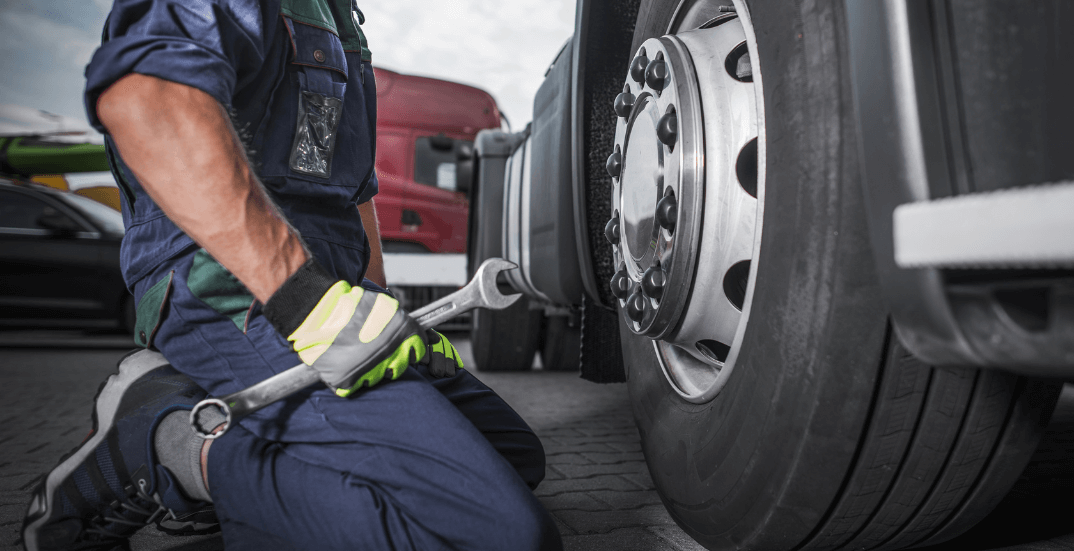
- Tire blowouts due to increased heat and pressure
Brake systems, tires, and suspension components are designed for specific weight limits. When trucks exceed these limits, mechanical failure becomes more likely, especially during long hauls or hot weather.
Vehicle Control Issues
Overloaded trucks handle differently. Steering becomes heavier, lane changes are harder to manage, and the vehicle is more prone to rolling over on curves or during sudden maneuvers.
Excess cargo weight places extreme stress on braking systems, tires, and suspension components, making unexpected failures more likely.
A shift in the truck’s center of gravity can also make sharp turns dangerous. These control issues contribute to jackknifing, run-off-road crashes, and rollovers.
Impact on Roads, Bridges, and Public Infrastructure
Public roads are built to withstand certain loads. When trucks exceed legal limits, the impact is long-lasting.
Studies from state transportation departments show that overweight trucks contribute disproportionately to premature road and bridge deterioration.
Excess weight can crack pavement, create potholes, and weaken bridges. The cost of repairing this damage often falls on taxpayers. In extreme cases, repeated exposure to overweight trucks can contribute to structural failures on older bridges.
Why Weight Checks Matter
Weight checks play an important role in keeping trucks safe on the road. They help drivers catch problems early, such as uneven cargo placement or small weight shifts that can affect how the truck handles.
Regular checks also ensure the load stays within legal limits, reducing strain on brakes, tires, and other critical parts. When drivers know their weight is accurate, they can handle long trips, sudden stops, and changing weather with more confidence.
These routine steps add an extra layer of protection for both the truck and everyone sharing the road.
Prevention and Safety Best Practices
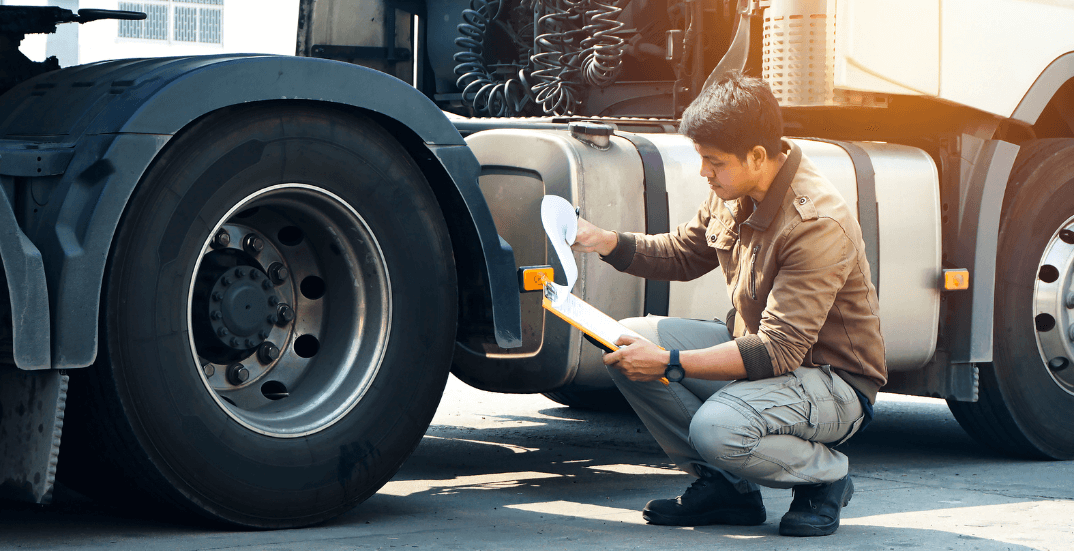
Reducing overloaded truck incidents starts with practical steps that trucking companies and drivers can implement. Routine weight checks, proper cargo distribution, and equipment inspections are essential. High-quality load-securing methods also help maintain stability throughout a trip.
Training programs give drivers the knowledge needed to identify unsafe loads or report pressure to exceed legal limits. Onboard weighing technology can assist in verifying compliance before a truck enters the road.
These simple measures can significantly reduce risk and improve overall safety.
Table: Weight Limits and Safety Impact
|
Weight Category |
Description | Safety Impact |
Common Issues |
| Legal axle limits | Single and tandem axle limits set by FHWA | Normal performance and stability | Standard wear and tear |
| 80,000 lb limit | Federal gross vehicle weight cap | Safe braking distance when maintained | Minor mechanical strain over long distances |
| Moderate overload | Exceeds limit by 5 to 10 percent | Noticeable braking and handling changes | Tire stress and brake heat |
| Severe overload | Exceeds limit by more than 20 percent | High risk of rollovers and mechanical failure | Brake failures and blowouts |
FAQs
What qualifies as an overloaded semi-truck?
A truck is overloaded when it exceeds federal or state weight limits or when cargo distribution creates unsafe axle pressure.
Why do overloaded trucks pose safety risks?
The added weight increases stopping distance, strains parts, and makes the truck harder to control during sudden movements.
How do authorities enforce weight compliance?
Officials use weigh stations, portable scales, and roadside inspections to ensure commercial trucks meet safe weight limits.
Which parts of a truck fail most often when overloaded?
Brakes, tires, and suspension components are more likely to fail due to excessive heat and pressure from the added load.
How does overloading affect highways and bridges?
Extra weight accelerates pavement cracking, potholes, and bridge fatigue, leading to higher maintenance costs.
How can the trucking industry reduce overloading?
Through regular weight checks, proper training, balanced cargo loading, and consistent maintenance programs.
Conclusion
Overloaded semi-trucks create avoidable dangers on highways. Excess weight reduces braking control, increases mechanical strain, and puts added pressure on public roads and bridges. Understanding truck weight regulations, recognizing the risks, and promoting safe loading practices all play an important role in preventing these hazards.
For readers seeking more information about safety issues involving commercial trucks, learning from a trusted resource or speaking with an experienced professional can be helpful. If an incident has affected you or someone you care about, the team at Alvendia, Kelly and Demarest Law Firm can explain your options and provide guidance.
You can also reach out to discuss your situation with a knowledgeable New Orleans truck accident lawyer through a free consultation.


Categories

In 2003, after being dissatisfied with the quality of legal care for victims of car accidents, Roderick ‘Rico’ Alvendia sought to establish a new firm focused on providing high-quality legal services to aid injured victims and their families. J. Bart Kelly, sharing Rico’s passion for upholding justice, joined the firm later that year, and established a partnership.