
Partner at AKD Lawyers
Practice Areas: Personal Injury

Customizing a motorcycle can be exciting. From adding performance parts to changing the look of your bike, modifications make every ride more personal. But in Louisiana, those same upgrades can affect how insurance companies and courts handle accident claims.
Riders often overlook how changes to their motorcycles can impact fault, coverage, and claim payouts. Understanding the connection between motorcycle modifications and insurance claims is key to protecting both your bike and your rights.
Common Types of Motorcycle Modifications
Motorcycle modifications are common among Louisiana riders who value individuality and performance. While some changes are cosmetic, others can alter the way a bike handles or performs and that’s where legal and insurance complications can begin.
Engine tuning and exhaust upgrades often boost power but can affect control and increase risk during emergencies. Suspension changes may improve comfort yet make handling less predictable.
Lighting and visual upgrades might enhance visibility, but non-compliant colors or placements can violate state laws. According to Louisiana Revised Statutes §32:303, motorcycles must meet safety standards for lighting, braking, and sound. Violating these rules can lead to fines or weaken your position in an accident claim if the modification contributed to the crash.
How Modifications Influence Accident Claims
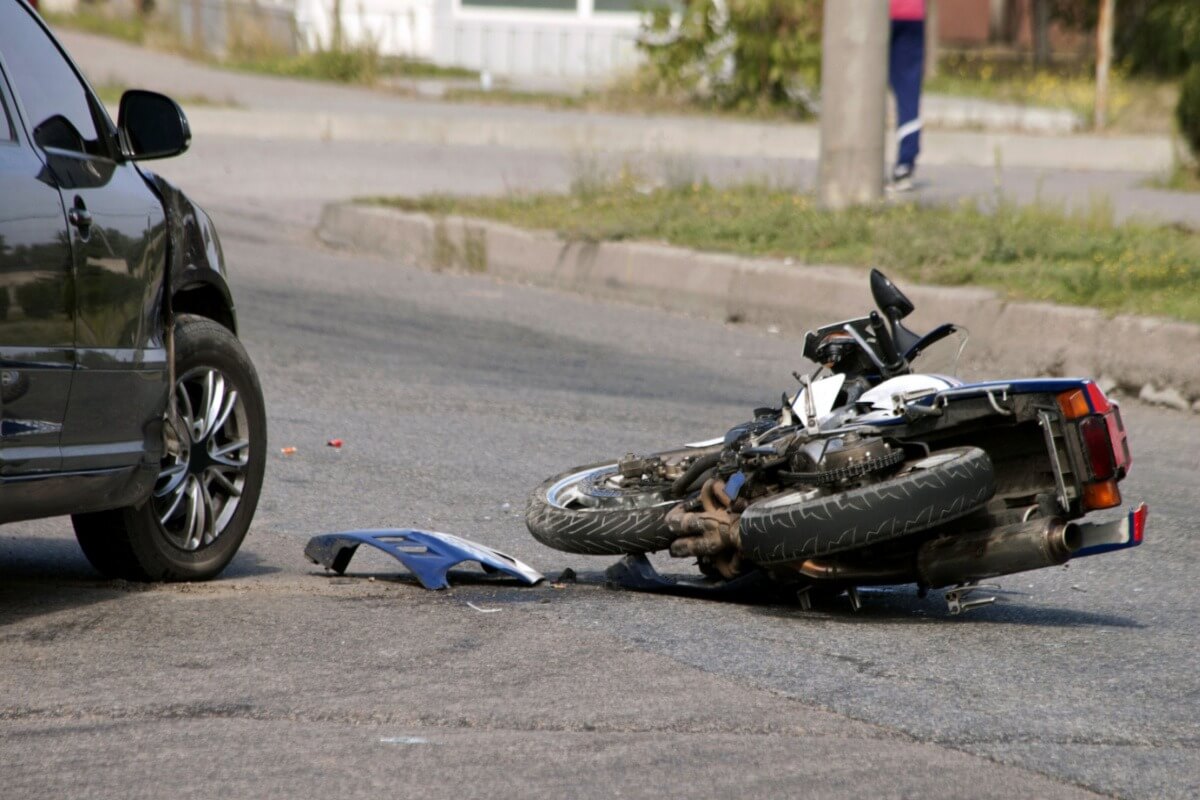
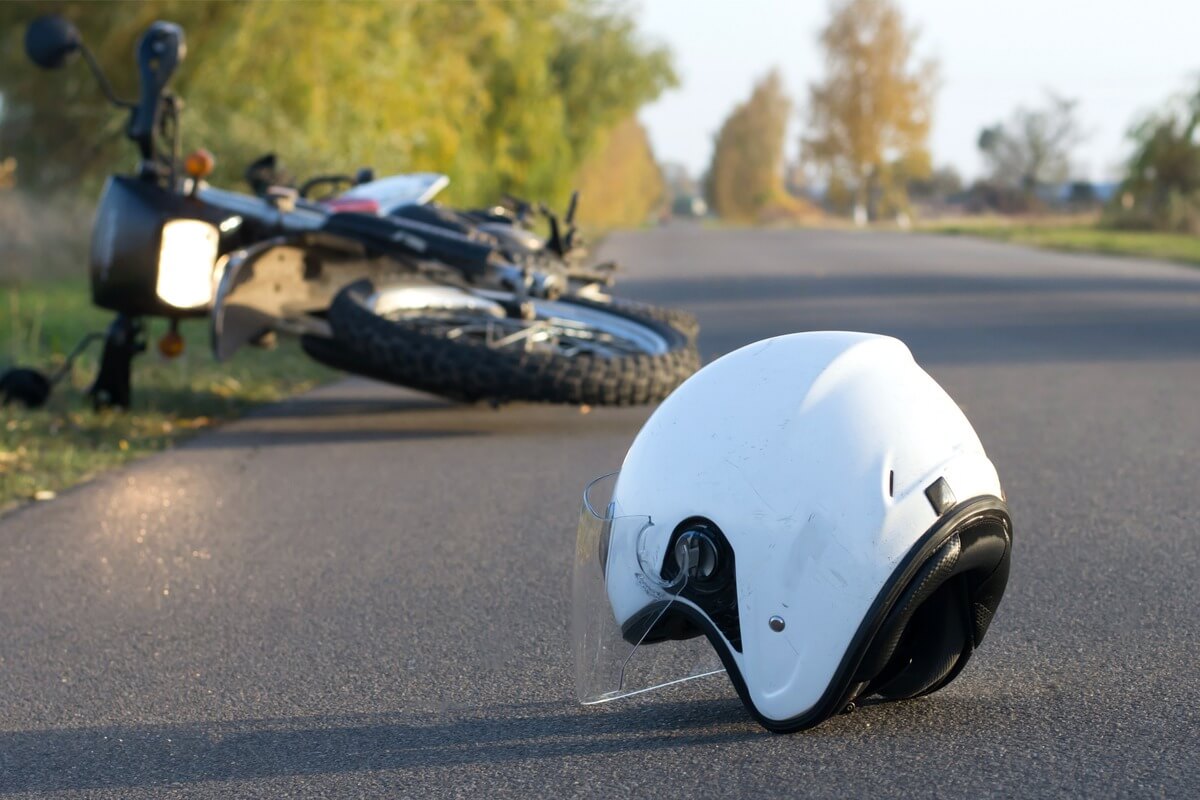
When a modified motorcycle is involved in a crash, insurers and investigators look closely at whether the upgrades played a role. If the change increased the risk of the accident or made the bike harder to control, the rider could be found partially responsible.
Under Louisiana Civil Code Article 2323, compensation in accident claims is reduced in proportion to the rider’s percentage of fault. That includes any negligence caused by unsafe or undisclosed modifications.
Louisiana follows a pure comparative fault system, meaning even if you are mostly at fault, you can still recover a portion of damages but your recovery decreases based on your level of responsibility.
For example, if a performance upgrade made your bike less stable and contributed 20% to the cause of the crash, your compensation could be reduced by that percentage.
Insurance companies also examine whether you disclosed your modifications when you bought or updated your policy. Unreported performance parts or cosmetic enhancements may lead to reduced payouts or denied claims. This issue often surprises riders who assume cosmetic changes don’t matter.

Louisiana Laws and Local Regulations on Modified Motorcycles
Louisiana’s motorcycle laws are clear: every bike on the road must comply with equipment and noise standards. The law covers everything from brakes and lights to mirrors and sound levels.
Louisiana Revised Statutes §32:303: All motorcycles must meet equipment standards related to braking efficiency, lighting visibility, and proper sound emissions.
New Orleans, for example, enforces strict noise ordinances for modified exhaust systems. A violation could result not only in a fine but also in an insurance complication if the modification is deemed unlawful or unsafe. Non-compliant lighting, missing mirrors, or unsafe handlebar heights can also lead to ticketing or affect liability after an accident.
These regulations are designed to promote safety for all road users. Riders should ensure every modification from LED lights to custom handlebars meets Louisiana safety requirements before hitting the road.
Insurance Coverage for Custom and Modified Motorcycles
Many riders don’t realize that a standard insurance policy may not cover aftermarket parts. If your bike includes performance upgrades, custom paint, or accessories, you may need an agreed or declared value policy. This type of coverage ensures the value of your motorcycle, including modifications, is fully protected.
Industry data suggests that up to 25% of motorcycle claims involving performance modifications are initially disputed due to incomplete disclosure.
To stay protected, riders should:
- Inform their insurance company about all customizations or performance upgrades.
- Keep receipts, installation documents, and appraisals for each modification.
This documentation helps prove the bike’s true value and prevents disputes during claim assessments. A custom motorcycle appraisal can also ensure fair compensation if your modified bike is damaged or totaled.
Some riders in the area consult a New Orleans motorcycle accident lawyer when their modified vehicle complicates insurance disputes or claim evaluations, especially in multi-vehicle accidents where fault is unclear.

Common Modifications and Their Impact
|
Modification Type |
Legal Risk in Louisiana | Impact on Insurance |
Potential Claim Issue |
| Engine or Exhaust Upgrade | High – may affect safety and noise compliance | Often excluded unless declared | Can increase liability |
| Suspension Changes | Moderate | Depends on full disclosure | May affect control-based fault |
| Lighting Additions | Low if compliant | Usually allowed with add-on coverage | May influence visibility disputes |
| Custom Paint/Seats | Low | Impacts value only | Minimal impact |
| Handlebars/Steering | Moderate | Needs documentation | Can affect handling and fault |
This table shows how different modifications can change both legal and insurance outcomes. High-risk upgrades, like engine tuning, require full disclosure and careful compliance to avoid financial loss.
Preventive Steps for Louisiana Riders
To protect your rights and investment, prioritize transparency and compliance. Always notify your insurer about modifications, even if they seem minor.
Follow these practices:
- Ensure every modification meets Louisiana motorcycle equipment standards.
- Keep detailed records and photos of upgrades.
- Review your insurance policy annually to confirm declared value coverage.
- Schedule professional inspections if you modify performance or handling systems.
Taking these steps reduces disputes and ensures your motorcycle remains both safe and legally compliant.
FAQs
Do motorcycle modifications need to be reported to insurance companies in Louisiana?
Yes. Unreported upgrades can result in denied or reduced insurance claims after an accident.
Can a modification make me liable for an accident?
If it affects handling or safety, you could share fault under Louisiana’s comparative fault rules.
Are loud exhaust systems illegal in New Orleans?
Yes. City ordinances limit motorcycle noise levels, and violations can lead to fines or claim issues.
How can I protect the value of my customized motorcycle?
Get an agreed or declared value appraisal and maintain receipts for every modification.
What modifications are most likely to void insurance?
Unreported engine tuning, altered brakes, or unsafe lighting can void coverage.
Does Louisiana law require inspections for modified motorcycles?
Yes. All motorcycles must meet La. R.S. §32:303 safety standards, including brakes and lighting.
Conclusion
Motorcycle modifications can make your ride unique, but they also carry legal and insurance responsibilities. In Louisiana, riders must comply with state safety laws and report all upgrades to their insurers. Keeping detailed documentation and ensuring your modifications are lawful helps prevent coverage disputes and liability issues.
If your modified motorcycle is involved in an accident or you’re unsure about your insurance coverage, it’s best to seek legal guidance. The team at Alvendia, Kelly & Demarest Law Firm helps Louisiana riders understand their rights and navigate accident claims with confidence.
Contact the firm today to schedule a free consultation and learn how to protect your investment and legal interests.

Categories

In 2003, after being dissatisfied with the quality of legal care for victims of car accidents, Roderick ‘Rico’ Alvendia sought to establish a new firm focused on providing high-quality legal services to aid injured victims and their families. J. Bart Kelly, sharing Rico’s passion for upholding justice, joined the firm later that year, and established a partnership.