
Partner at AKD Lawyers
Practice Areas: Personal Injury
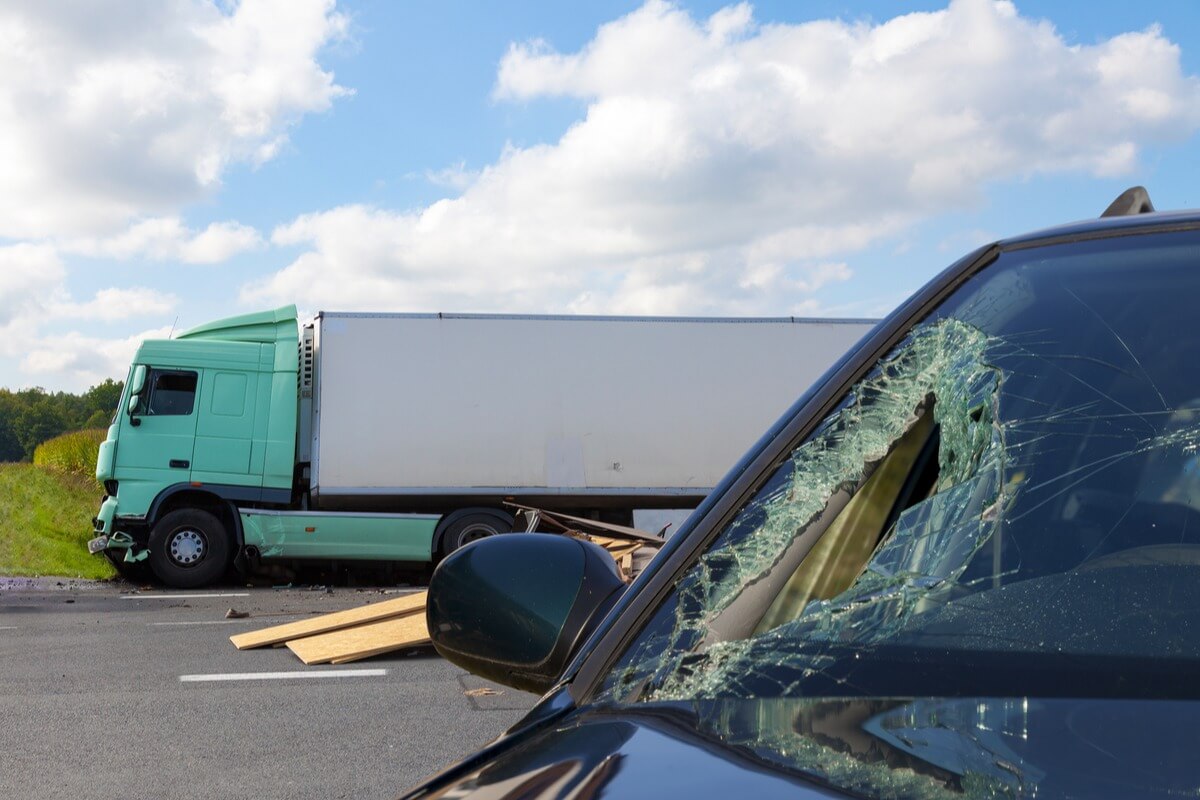
Truck accidents in Louisiana often involve more than one party and, in turn, more than one insurance company. When several insurers enter the picture, the claims process becomes more complicated, deadlines multiply, and every company has its own interpretation of fault. Understanding how this works helps you stay informed, organized, and protected.
This guide explains how liability is decided, why several insurers may be involved, and what challenges people face when navigating multi-party truck accident claims in Louisiana.
Why Louisiana Truck Accidents Often Involve Multiple Parties
Commercial trucks rely on many hands before they reach the road. Drivers, trucking companies, maintenance teams, cargo loaders, and manufacturers may all play a role in the safe operation of a truck. When a collision occurs, investigators often uncover more than one contributing factor.
Common contributors include negligent driving, improper cargo loading, mechanical issues, worn-out parts, and communication failures between contractors. Because each entity usually has its own insurance policy, a single crash can involve three, four, or even five different insurers.
Louisiana’s busy freight corridors and high-volume trucking routes add even more complexity, as crashes frequently involve vehicles tied to different companies across state lines.
According to the LSU Highway Safety Research Group, Louisiana recorded 2,724 injury-related crashes involving trucks or buses in 2019, along with 103 fatalities.
Understanding who played what role is the first step in a multi-insurer claim.
Understanding Liability Under Louisiana’s Pure Comparative Fault System
Louisiana follows a pure comparative fault system that assigns a percentage of responsibility to each party involved in the crash. Even the injured individual can be assigned a share of fault based on the evidence.
Louisiana Civil Code Article 2323 reduces compensation according to the plaintiff’s percentage of responsibility.
For example, if several parties contributed to a crash, each company’s insurer will focus on identifying how much blame can be shifted away from their insured. This law gives insurers strong motivation to dispute percentages, reinterpret evidence, or question the accuracy of reports.
Liability is determined through documentation, photographs, electronic logs, police reports, maintenance records, and witness accounts. Because multiple insurers evaluate the same evidence differently, disagreements are common.
How Multiple Insurance Policies Complicate the Claims Process
When several insurers enter the picture, each one has its own policy language, deadlines, and definitions of coverage. These differences often slow down the process and create confusion for people trying to recover after a serious crash.
Points of friction include questions about policy limits, exclusions, and which party bears the highest percentage of fault. Insurers may also debate whether a maintenance issue, driver error, defective part, or loading mistake played the largest role.
It is not unusual for insurers to delay communication or request repeated documentation. These strategies make it harder to track progress and easier for fault disputes to continue for months.
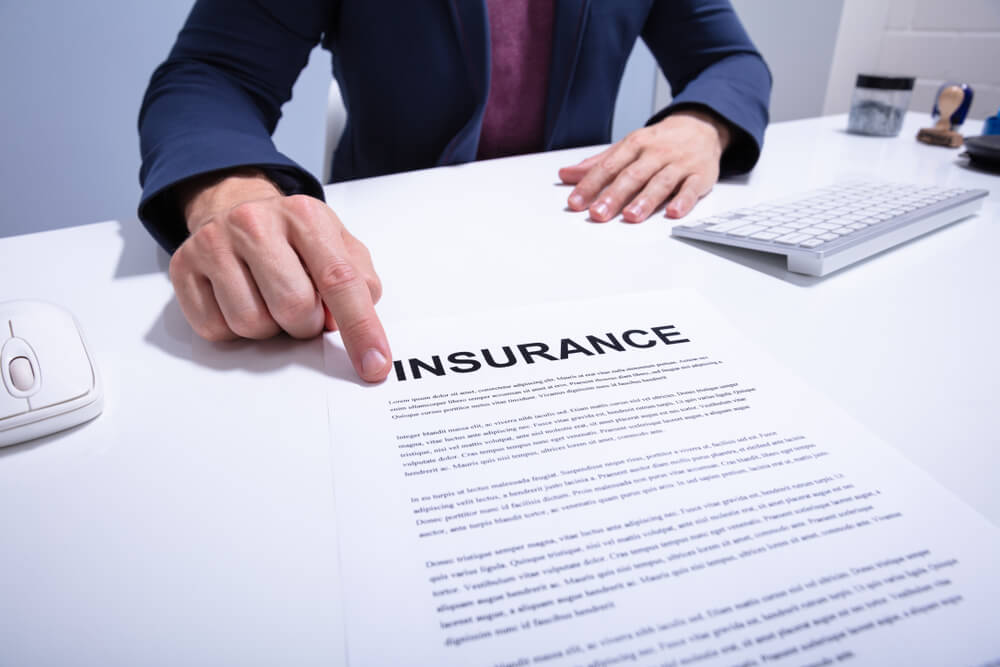
Commercial truck accidents often involve multiple insurance policies, each with unique exclusions and interpretations of liability that slow investigations.
Investigation Steps When Several Insurers Are Involved
A multi-insurer case requires a detailed investigation because each company is trying to protect its own financial exposure. Gathering evidence in the early stages can make a difference in how fault is assigned later.
Important evidence includes electronic logging device data, driver logs, training records, maintenance reports, cargo loading documentation, and photographs from the scene.
These records help determine whether a mechanical failure, overloading issue, or driver error played a bigger part in the crash.
When several companies review the same evidence, disagreements can arise about interpretation. For example, one insurer may argue a worn tire caused the crash, while another might claim driver fatigue was the primary cause. Because every insurer has competing interests, investigations often take longer than expected.
Get Your Free Consultation
Insurance Adjuster Behaviors to Be Aware Of
Insurance adjusters represent their company’s financial interests. When multiple insurers are involved, each adjuster may attempt to minimize responsibility for the party they represent.
Common behaviors include:
- Downplaying injury severity or suggesting medical care is unnecessary.
- Requesting repeated statements to find inconsistencies.
These tactics can influence fault allocation and valuation of damages. Keeping records and avoiding statements that speculate about the crash can help prevent misunderstandings that affect a claim.
Insurance adjusters may appear cooperative, yet their goal is to limit payouts by questioning injuries, delays, or the cause of the crash.
What Damages Are Reviewed in Multi-Insurer Truck Accident Claims
A truck accident involving several insurers requires careful review of all loss categories. Each insurer will interpret documentation differently, which may affect the timeline and outcome.
Key categories include:
- Medical expenses for treatment, rehabilitation, and future care
- Lost income or reduced earning ability
- Property damage to the vehicle and personal items
- Long-term health effects or permanent limitations
Since multiple insurers review each category, disputes may occur about the extent of the injuries or the financial impact. Strong documentation helps provide clarity.
Common Parties and Their Insurance Coverage
Below is a simplified look at how different parties may be involved in a Louisiana truck accident and what insurance policies typically apply.
|
Party |
Responsibility | Insurance Coverage |
Key Evidence |
| Truck Driver | Negligent or distracted driving | Personal or employer policy | Logs, statements, police report |
| Trucking Company | Hiring, scheduling, maintenance oversight | Commercial liability | Training files, maintenance records |
| Maintenance Provider | Faulty inspection or repairs | Service liability | Repair records, failure analyses |
| Manufacturer | Defective parts or mechanical issues | Product liability | Engineering reports, recalls |
| Cargo Loader | Improper or unbalanced loading | Freight handler liability | Loading sheets, weight data |
Preventing Delays and Protecting Your Rights During Multi-Insurer Claims
Multi-insurer claims involve more documentation and longer timelines than typical accidents. People can take several steps to protect themselves during the process.
Document the accident scene with photographs and collect witness contact information. Prompt medical attention creates a clear timeline of injuries, which helps when insurers question severity. Keeping all medical records, receipts, and repair documents in one place helps strengthen the claim.
Avoid offering recorded statements to insurers until you understand the implications, as adjusters often use these statements to shift responsibility.
If you need guidance while dealing with multiple insurers, speaking with a New Orleans truck accident attorney at Alvendia, Kelly & Demarest Law Firm can help you understand your rights and next steps.
Frequently Asked Questions
Why do truck accidents often involve several insurance companies?
Because multiple parties such as drivers, trucking companies, loaders, and maintenance crews may each carry separate insurance policies.
How is fault divided when several parties contribute to the accident?
Fault is assigned based on Louisiana’s comparative fault law, which evaluates evidence and assigns percentages of responsibility.
What evidence is most useful in multi-insurer claims?
Electronic logs, maintenance reports, police records, cargo documentation, and statements from witnesses.
Can disagreements between insurers cause delays?
Yes. Insurers may dispute fault, policy limits, or exclusions, which often slows down the investigation.
Conclusion
Truck accidents involving multiple insurance companies can feel overwhelming because each party brings its own policies, investigators, and deadlines. Understanding how Louisiana’s fault rules work, how insurers approach these cases, and what documentation matters most can help you navigate the process with confidence.
If you were involved in a truck accident and are dealing with several insurers, Alvendia, Kelly & Demarest Law Firm can help you understand your options and guide you through each step.
Reach out today to discuss your situation and receive a free consultation.

Categories

In 2003, after being dissatisfied with the quality of legal care for victims of car accidents, Roderick ‘Rico’ Alvendia sought to establish a new firm focused on providing high-quality legal services to aid injured victims and their families. J. Bart Kelly, sharing Rico’s passion for upholding justice, joined the firm later that year, and established a partnership.